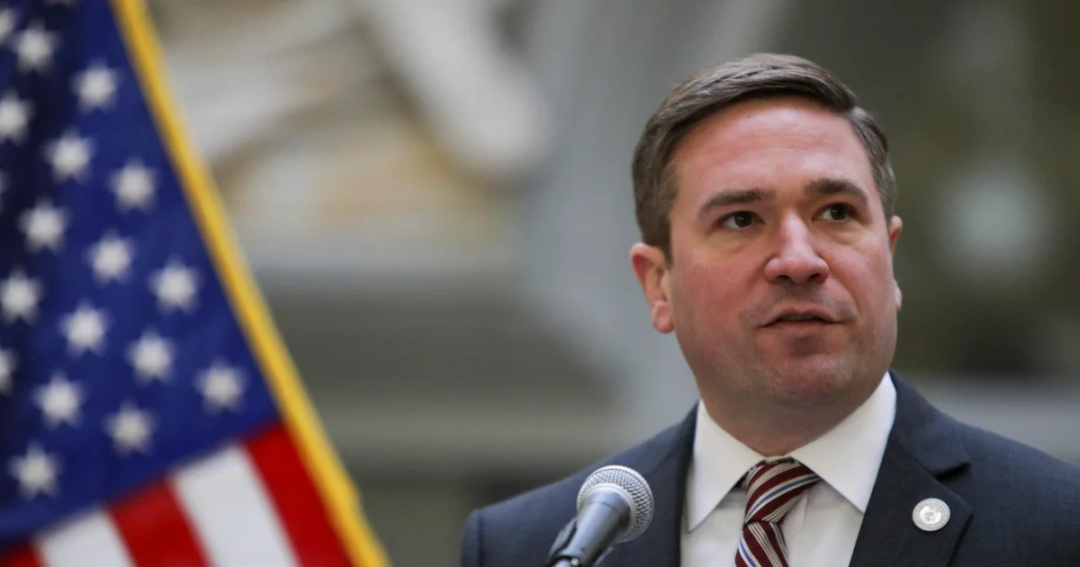
Andrew Bailey Quits FBI, Citing Family Time After Political Debacles
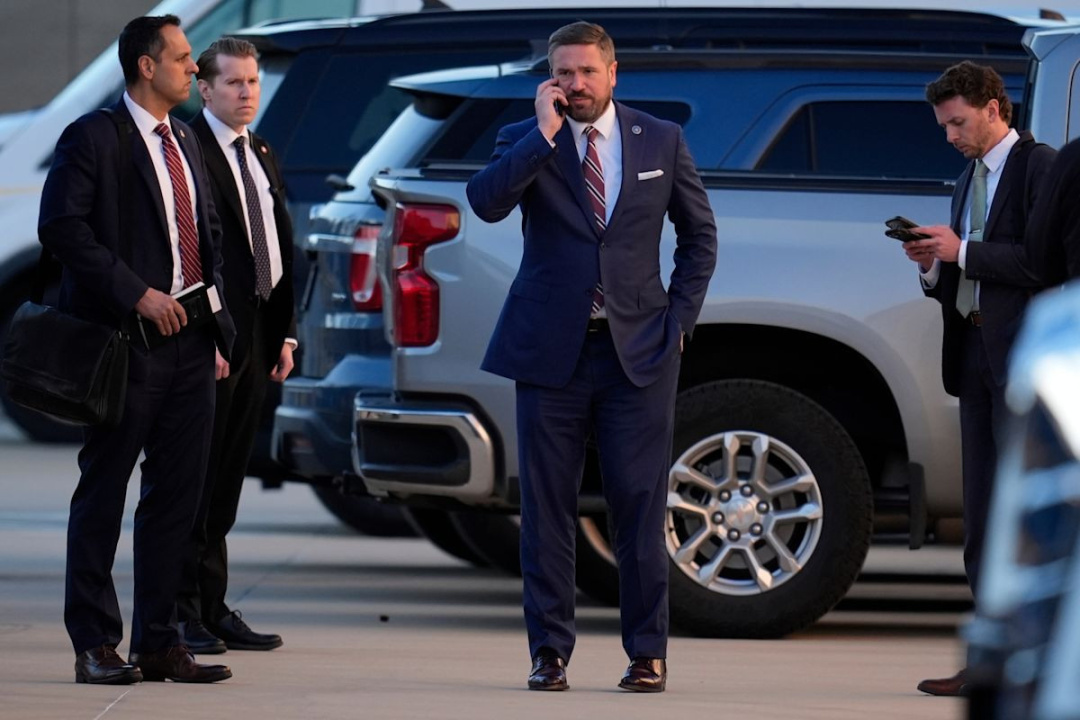
In a move that has stunned absolutely no one, Andrew Bailey, the conservative firebrand installed as the No. 2 at the FBI by the Trump administration, announced his resignation this week. Bailey, whose résumé consists largely of supporting debunked claims about the 2020 election being stolen, claimed he was stepping down to spend more time with his family. Given his track record of stirring the pot in federal law enforcement, one can only imagine what family activities could possibly compete with that kind of thrill.
In his farewell email, which he shared with an audience of agents who were probably just relieved to be rid of him, Bailey expressed pride in his accomplishments, which largely consist of reassigning agents and reshaping the FBI into something that might resemble a political campaign office. "I am confident Director Patel will continue to reform the FBI, combat violent crime, defend the homeland, ensure strong organizational accountability, and restore public trust in this institution of excellence," he promised. If only he could have achieved even a sliver of that during his time in office.
Still Beats Watergate:
Sponsor success. Continue reading:
Bailey, a former Missouri attorney general, made headlines not just for his dubious claims about electoral integrity but also for being a military veteran who somehow thought his background made him qualified to co-manage the FBI alongside a conservative podcast host. The FBI is known for its high standards, yet two of the most prominent figures running the agency lacked any prior experience, raising eyebrows across the political spectrum. It's almost as if the Trump administration was auditioning for a reality show rather than appointing people to critical government positions.
The last few weeks have seen a flurry of activity at the FBI, with high-profile agents being reassigned and internal conflicts bubbling to the surface like an undercooked casserole. Among these incidents was the transfer of two agents from the counterterrorism division due to their perceived slowness in investigating threats against conservative podcaster Katie Miller, married to a top aide to Trump. Clearly, the FBI’s priorities have shifted from national security to ensuring the comfort of Trump's inner circle.
Bailey's Controversial FBI Legacy
Bailey’s tenure included his infamous presence at FBI operations that involved seizing ballots in Fulton County, Georgia—a move that seemed more theatrical than necessary. His visibility during such politically charged investigations drew heavy criticism and highlighted the influence of politics over purportedly impartial law enforcement. After all, what better way to restore public trust than to act like a star in a political drama?
As Bailey exits stage left, his departure may signal a rocky road ahead for the FBI. With Director Kash Patel at the helm, changes are likely to continue. While Bailey heads home to spend time with his family, the rest of us are left to wonder just how much further the FBI can plunge into the theater of the absurd before someone finally pulls the curtain on this farce.
Your takeaway
The future of the FBI under Kash Patel remains uncertain as a wave of scrutiny looms. With so many experienced agents sidelined and a culture seemingly driven by political loyalty rather than professional expertise, it's hard not to imagine a casting call for the next deputy director in the near future. Will the agency continue to prioritize optics over operations? Only time will tell as we watch this ongoing political theater unfold.
As Bailey bids farewell, one thing is clear: the reshaping of the FBI under the Trump administration was more about loyalty than capability. His resignation might be just one act in an ongoing play, leaving audiences to ponder the twists and turns that lie ahead for federal law enforcement. In a world where political loyalties often overshadow professional qualifications, it seems the FBI will need more than just a new face to restore its credibility and effectiveness in tackling real threats to public safety.