Trump's Grand Rebranding: From AI to 'Super Intelligence'
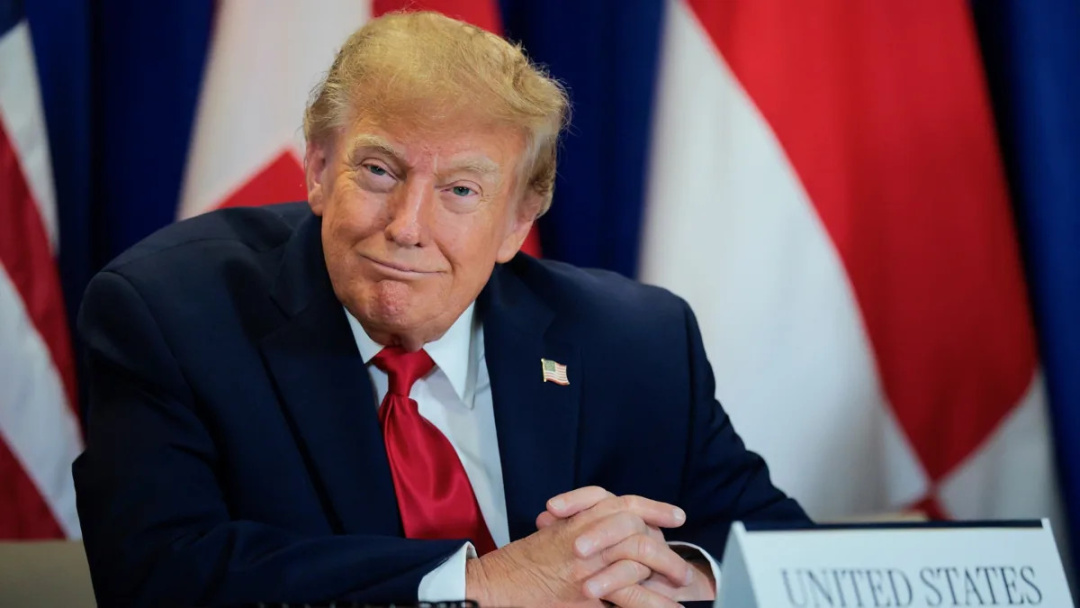
In yet another episode of presidential rebranding, President Trump has decided that 'artificial intelligence' no longer cuts it. In an executive order signed Tuesday, the term will henceforth be replaced with the more impressive-sounding 'Super Intelligence.' Clearly, if something sounds grander, it must be better—who needs substantive policy when you have a snazzy name?
The executive order specifies that all federal agencies must drop the terms 'artificial intelligence' and 'AI' in any official communication, from reports to website content. This decree, however, only applies to the executive branch, as if the mere act of renaming ensures that the underlying complexities and potential dangers of AI will somehow be diminished. After all, who could possibly be threatened by 'Super Intelligence'?
Still Beats Watergate:
Sponsor success. Continue reading:
Trump's rebranding effort seems to stem from an ongoing backlash against AI technologies and data centers. During a recent address, he warned communities against protesting AI developments, claiming such actions could leave them 'backwards and poor.' Apparently, the country’s progress hinges not just on technology and regulation but also on the sheer elegance of terminology.
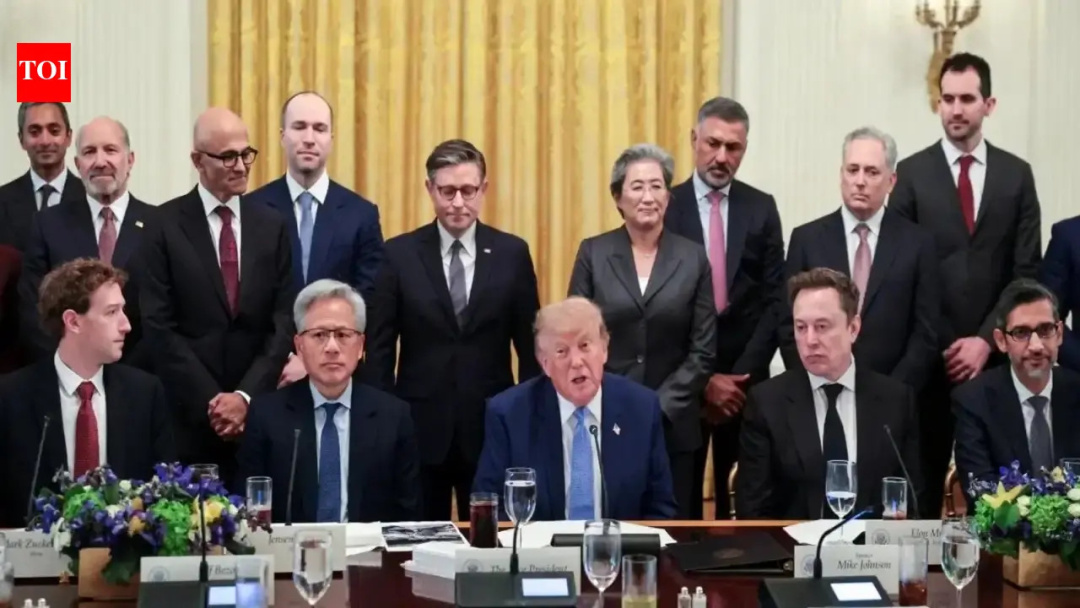
The term 'Super Intelligence' has been teased before, notably on Trump's Truth Social platform and during a speech at the United Nations. Reportedly, the president expressed during a meeting with tech titans—including the likes of Elon Musk and Mark Zuckerberg—that the new name 'sounds much better,' and clearly, that’s what really matters in policy decisions.
Critics, however, aren’t buying this superficial fix. Senator Mark Warner, Vice Chairman of the Senate Select Committee on Intelligence, aptly pointed out that rebranding does nothing to mitigate the risks associated with AI technologies. He remarked, 'Changing what we call artificial intelligence does nothing to address the very real risks that come with increasingly powerful AI systems.'
It seems the executive order is less about advancing technology and more about political optics. The White House's fact sheet states that this change in terminology aims to convey the true capabilities of current technologies. Yet one can’t help but wonder if a name change might actually encourage officials to ignore the very real challenges posed by AI.
As this name change rolls out, only time will tell if 'Super Intelligence' will not only captivate the public imagination but also lead to tangible advancements in the field. But for now, it’s safe to say that America is officially living in a world where a clever rebranding can overshadow the messy realities of technological development.
What This Means for the Future of AI
With Trump’s declaration, it’s clear that the shift goes beyond mere semantics. The White House is attempting to craft a narrative around AI that emphasizes progress and innovation. However, the terminology used does not inherently address the necessity for regulation or the ethical implications of such powerful technologies.
As the country grapples with both the potential and the risks of AI, one has to wonder if rebranding alone is a solution. While 'Super Intelligence' may sound appealing, the challenges that lie behind the facade of this grand title will remain, regardless of what it’s called.
Your Takeaway
In the end, this executive order is a classic example of political theater, where the spectacle carries more weight than the substance. While new names and lofty promises might set the stage for a bright technological future, they do little to address the far more pressing concerns surrounding AI development and regulation. As we navigate this newly christened landscape of 'Super Intelligence,' we must remain vigilant against the allure of branding over action.