Trump's Taxpayer-Funded Ads Spark Impeachment Controversy
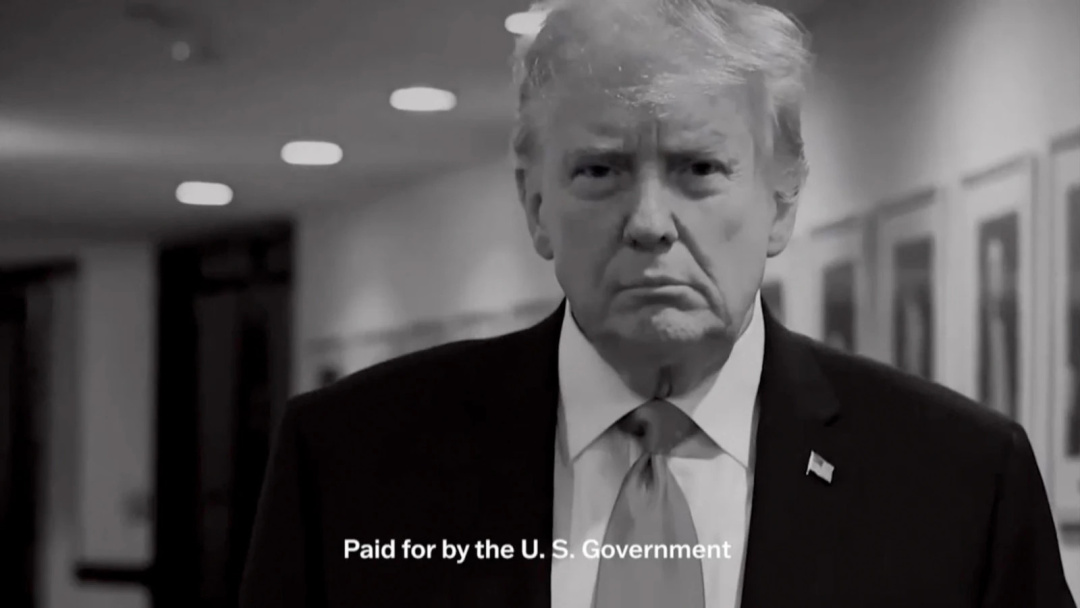
As the midterm elections loom, President Donald Trump is facing mounting criticism for airing taxpayer-funded commercials that seem to blend government messaging with his campaign rhetoric. The ads, which feature Trump delivering speeches filled with calls to action against supposed internal enemies, are defended by the White House as mere "public service announcements." Yet their timing—just five weeks ahead of crucial elections—has raised eyebrows across the political spectrum.
Critics argue that the ads not only blur the lines between presidential duties and campaign messaging but also infringe upon legal stipulations against using taxpayer dollars for political purposes. Norm Eisen, a former White House ethics lawyer, articulated the sentiment that these ads represent a significant legal and ethical violation, suggesting they could constitute grounds for impeachment.
Still Beats Watergate:
Sponsor success. Continue reading:
The commercials showcase Trump in a black-and-white format, walking confidently towards the camera while he speaks to viewers about a "final battle" against the so-called "deep state." This dramatic presentation, combined with rhetoric aimed at rallying his base, transforms what could be considered routine governmental announcements into potential campaign tools. Eisen's assertion that the ads amount to an "abuse of power" raises essential questions about accountability and the appropriate use of state resources.
Despite denials from the White House, political analysts recognize the potential impact of these ads. CNN’s Stephen Collinson noted that they could galvanize supporters who might feel directly encouraged, despite Trump not being on the ballot—an assertion echoed by various political figures.
Bipartisan Backlash Against Taxpayer-Funded Ads
The controversy does not stop at partisan lines. Critiques have rolled in from both sides of the aisle. Democratic Representative Steny Hoyer condemned the ads as an egregious misuse of taxpayer funds, while even Republican figures like Thomas Massie have drawn parallels to behavior typically associated with less democratic regimes. Senator John Kennedy expressed discomfort with the idea of any public official, including Trump, using public money for self-promotion.
As the nation approaches the elections, these ads represent more than just a questionable legal strategy; they reflect a broader trend of political messaging that intertwines governance and campaigning in unprecedented ways. With public scrutiny on the rise, the implications of this approach may resonate far beyond the immediate electoral cycle, prompting discussions about the future of political ads funded by taxpayers and the ethical lines that ought to govern them.
Implications for Future Governance
The legality of Trump's ads raises essential discussions about the boundaries of political messaging in the context of governance. Critics argue that these ads could set a dangerous precedent for future administrations, opening up avenues for more direct political advertising funded by public dollars. As political norms continue to shift in an increasingly polarized environment, the necessity for clear regulations around the use of taxpayer funds in political advertising becomes ever more pressing. This development may serve as a litmus test for the acceptance of state-sponsored political propaganda in the United States, a scenario that many would argue has no place in a democratic society.
The fallout from these ads could have lasting implications for how political campaigns are conducted in the future. If the current administration can blur the lines between public service and political campaigning, it may encourage a trend where future leaders feel emboldened to utilize government resources for personal or political gain. As calls for accountability grow louder, the legal ramifications and public perception of such actions will likely play a crucial role in shaping the political landscape in the years to come.