Bill Maher Breaks the Mold: Admits He Was Wrong About Trump Endorsements
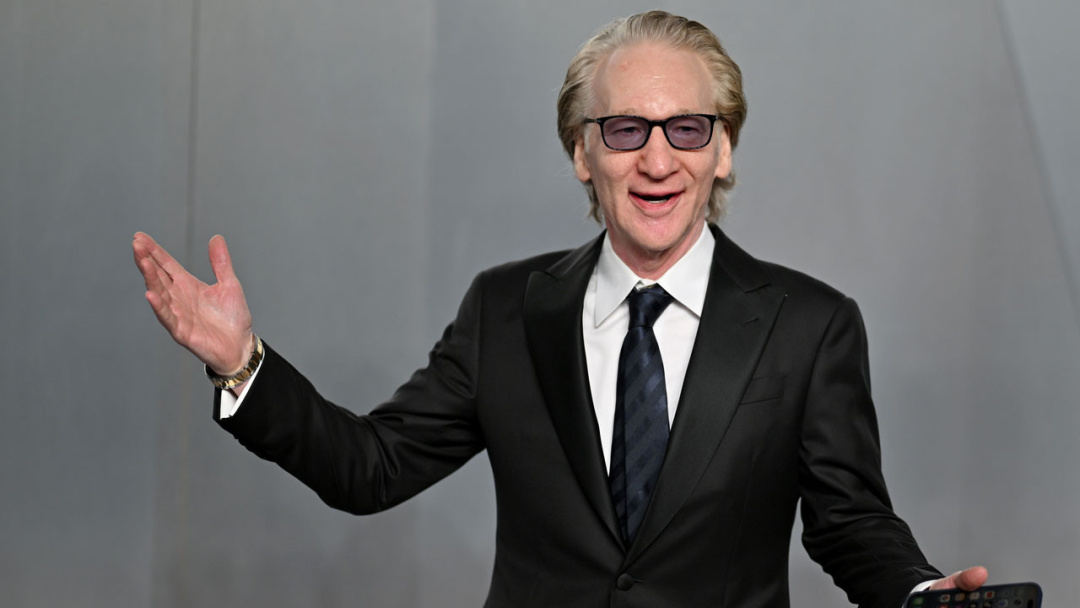
In a dazzling break from the norm of political double-speak, Bill Maher recently dared to utter the words that many public figures avoid at all costs: "I was wrong." On his show "Real Time," Maher took a bold step in the age of tribalism, admitting he misrepresented the facts about President Donald Trump’s endorsement success during this primary season. Instead of the usual practice of spinning or sidestepping, Maher delivered an honest correction live to his audience, noting that Trump had an impressive 97% win rate with his endorsed candidates.
This moment shines a light on the often murky waters of political discourse where accountability is as rare as a unicorn. When Maher initially claimed that Trump was "winning almost none" of his endorsements, he likely didn’t expect to receive a text from Trump himself, eager to set the record straight. The fact that he followed up with a live admission of error is both refreshing and a little shocking. It’s like stumbling upon a rare breed of honesty in the wilds of Washington, D.C.
Still Beats Watergate:
Sponsor success. Continue reading:
Maher’s willingness to embrace the awkwardness of admitting he overstated facts—"I did overstate it. That wasn’t true. Overstated"—is a stark contrast to the standard operating procedures of most media personalities. Most would either mumble an apology or quietly bury the correction within a segment, but Maher took the high road. This isn’t merely about a factual correction; it’s about a greater call for intellectual honesty that seems to be evaporating in our current political climate.
Yet amidst this moment of clarity, the question remains: why is admitting error still such an act of courage? It feels almost radical in a climate where many cling to their narratives like a life raft in a turbulent sea. Maher’s admission becomes a lesson for media figures and politicians alike: correcting the record when proven wrong is not just necessary; it is a pillar of integrity.
In a post-award season reflection, it’s worth noting that Maher recently accepted the Mark Twain Prize for American Humor, a fitting accolade for someone who, time and again, has shown that humor can be a vehicle for truth. He once quipped about how the truth is often far more entertaining than comfortable lies, a mantra that served him well throughout his career.
Voices of Integrity in Politics
At the same time, Senator John Fetterman, who also rocked the red carpet on the night of Maher’s award, echoed similar sentiments about pride in America and the importance of standing by one’s beliefs, even when they diverge from party lines. Fetterman’s comments about the anti-patriotic tendencies within his own party resonate in a landscape where tribal loyalty often overshadows genuine dialogue.
As both Maher and Fetterman demonstrate, political integrity requires more than just superficial loyalty to party lines; it demands a willingness to confront uncomfortable truths, even when it means taking flak from your own side. Voters are savvy; they can discern when leaders are merely paying lip service to independence versus when they genuinely practice it.
Affecting you
For the Left to rebuild trust with disenchanted voters, it could study the candor of figures like Maher and Fetterman. The formula is simple yet often neglected: speak your truth, admit when you’re wrong, and ditch the blind party allegiance. These principles could serve as a guiding light for those seeking to navigate the tumultuous waters of modern politics.
While Maher’s admission is a small act in the grand scheme of political theater, it resonates as a clarion call for authenticity in a time where it’s sorely lacking. In a world rife with soundbites and spin, Maher’s moment of lucidity stands out as a beacon of what could be possible if we all dared to embrace the messy business of truth-telling.