FBI Co-Deputy Director Andrew Bailey Exits Amid Tensions and Uncertainty
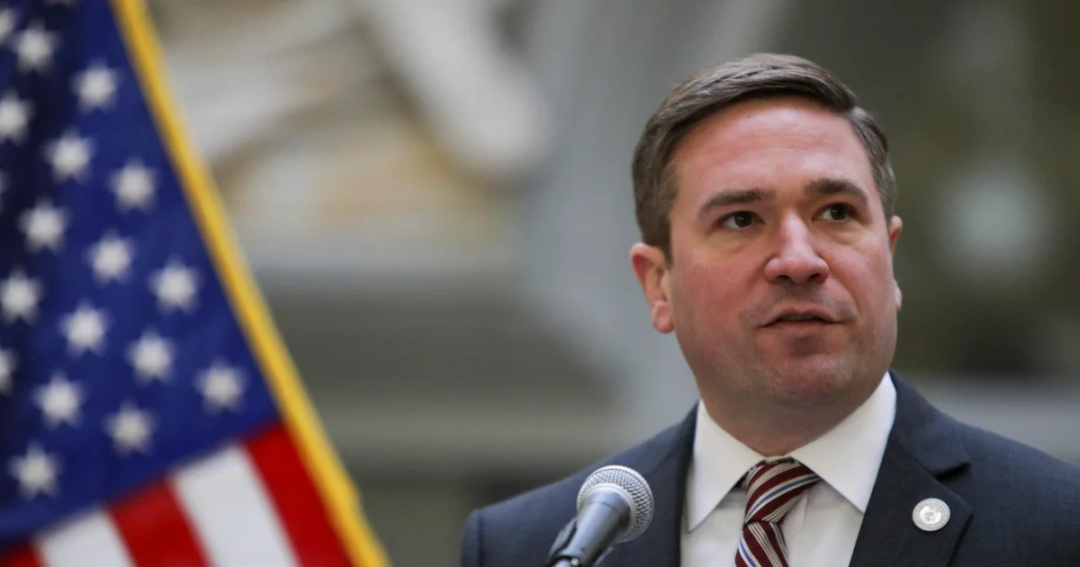
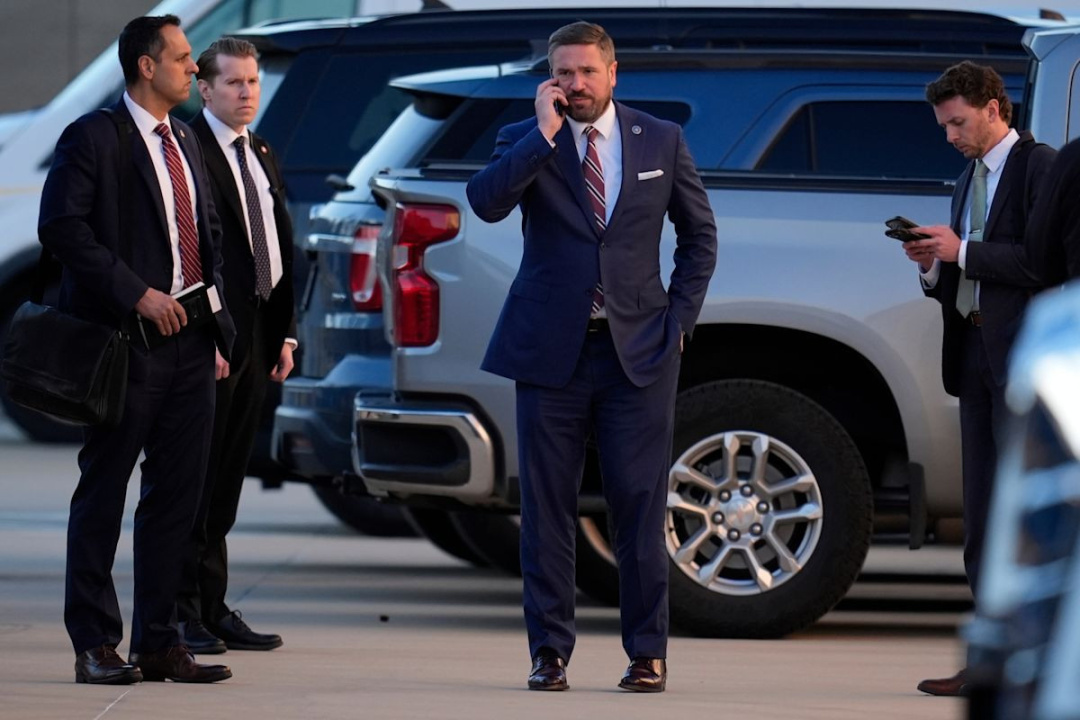
Andrew Bailey, the co-deputy director of the FBI, has decided to resign, effective October 2. His exit comes amid reported tensions not only within the agency but also concerning his relationship with White House officials. In his resignation email and a post on social media platform X, Bailey cited family reasons for his departure, a claim that many in Washington are likely to dissect for deeper meaning.
Bailey was initially brought on board to soothe the ruffled feathers between former Attorney General Pam Bondi and former FBI Deputy Director Dan Bongino. However, his tenure has been anything but smooth. Sources indicate that the dynamics between Bailey and FBI Director Kash Patel have been fraught from the beginning. Initially, Bailey found himself excluded from key meetings, with Patel instructing staff to refer to him simply as 'co-deputy director' while putting Bongino in the spotlight as deputy director, effectively sidelining Bailey.
Still Beats Watergate:
Sponsor success. Continue reading:
The situation intensified when White House deputy chief of staff Stephen Miller and his wife, Katie Miller, raised concerns about FBI investigations into alleged threats against them. While they did not demand anyone's head on a platter, the fallout resulted in the reassignment of FBI personnel overseeing counterterrorism. This has led to a curious juxtaposition where the agency's operational integrity seems to be weighed against the personal safety concerns of political figures, raising eyebrows about the level of influence they wield.
In a puzzling twist, Bailey's relationship with the FBI has led to his role being split, a move unprecedented in the bureau's history. It remains to be seen how this reshuffling will affect the FBI's operations and its relationship with the White House. Meanwhile, Bailey’s resignation follows the demotion of agents who were involved in the investigation into threats against the Millers, hinting at a larger narrative of political pressures shaping law enforcement.
Political Pressures on Federal Agencies
The story of Bailey's departure is still developing, yet it paints a portrait of how political entanglements can ensnare the operations of federal agencies. With Bailey's exit, the FBI faces further questions about leadership coherence and its ability to operate independently of political pressures.
Your takeaway
As the landscape of the FBI shifts, the implications of Bailey's resignation could echo through the agency for years to come. While the White House may point to gratitude in Patel's statements about Bailey's contributions, the unsettling undercurrents of political influence are hard to ignore. The dynamics within the FBI and how they interact with political figures are more than just a bureaucratic concern; they speak to the integrity of the agency's mission. With both Bailey and Bongino now out, the question remains—who will emerge as the steadfast leaders amid these turbulent waters?
Bailey's departure encapsulates the intricate dance between federal agencies and political operatives. As the FBI grapples with internal strife and mounting external pressures, observers must stay vigilant. The very structure and function of the FBI could be at stake, as political figures increasingly seek to impose their will on its operations. Ultimately, Bailey's exit may just be the tip of the iceberg in a much larger story about accountability and the balance of power in Washington.