Bipartisan Lawmakers Push Back Against Trump's Medicare Drug Pricing Policy
In a move reminiscent of legislative theatrics straight out of a political sitcom, a bipartisan group of more than 50 lawmakers has taken a bold stand against a proposed Medicare policy from the Trump administration. These lawmakers, wielding pens like political swords, are demanding that the Centers for Medicare & Medicaid Services (CMS) rethink its intentions tied to the Biden-era drug price negotiation program. The backdrop? A policy that some fear could send innovation in cancer treatment spiraling down the drain.
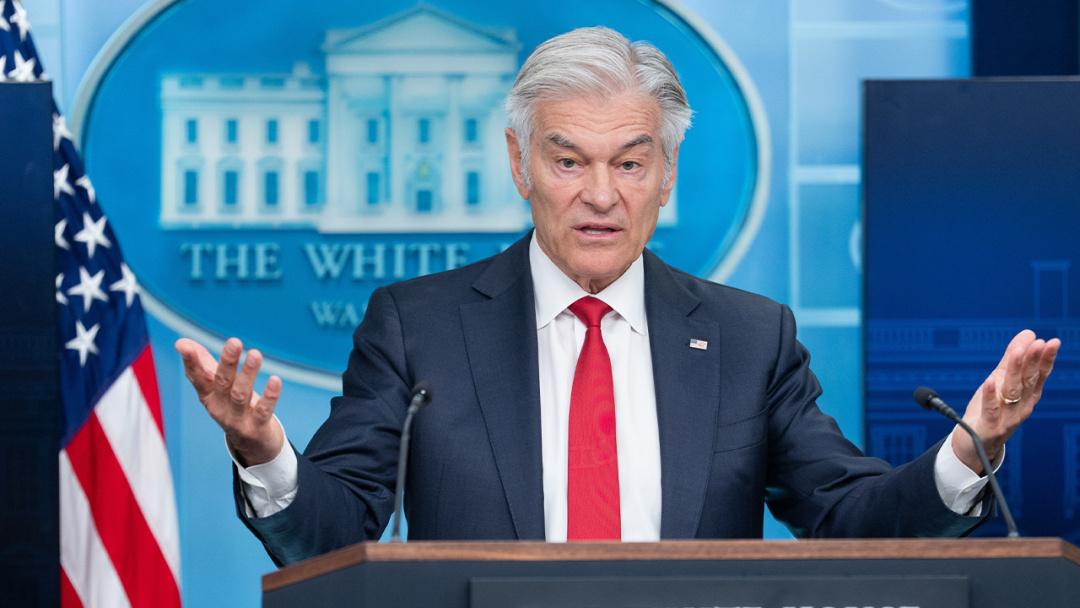
The lawmakers, in their letter dated September 21 and humorously addressed to CMS Administrator Dr. Mehmet Oz—yes, that Dr. Oz—argue that the proposed fixed-dose combination policy is akin to giving a bear a gun in a crowded room: dangerous and ill-conceived. They contend that this policy could potentially discourage the development of vital new cancer treatments by placing them under Medicare price negotiations almost immediately after receiving FDA approval.
Still Beats Watergate:
Sponsor success. Continue reading:
It’s as if the Trump administration decided to play a high-stakes game of Monopoly, only to suddenly declare all properties available for trade the moment someone lands on Park Place. The letter warns that if finalized, this proposal would undermine incentives for pharmaceutical companies to develop improved versions of existing drugs, which are crucial for patients desperately seeking better options.
Amidst the chaos, the lawmakers pivot to highlight the glimmer of hope in recent advances in cancer immunotherapy. They point out that some newer treatments can allow patients to receive quick injections instead of enduring hours of tedious intravenous infusions—a fact that could revolutionize care, especially for patients living in rural areas.
But CMS has its own agenda, presenting the proposal as a necessary measure to prevent drug manufacturers from cleverly sidestepping negotiated prices by merely tweaking existing medications and slapping a new label on them. Sounds like a political version of duck-duck-goose, but with life-or-death stakes involved.
Bipartisan Concerns Over Drug Pricing Policy
As they lay out their arguments, the bipartisan group isn't shy about acknowledging the complexities of the current landscape. They assert that the FDA already evaluates these therapies separately, requiring distinct clinical trials. Thus, these lawmakers believe treating them as new medicines under the Medicare drug price negotiation program is not just logical, but essential to ensuring patients can access the most advanced therapies promptly.
In their rallying cry, the group insists that patients fighting cancer deserve unhindered access to the best treatments available, warning that finalizing this proposal could jeopardize innovations that might significantly benefit those most in need. They energetically argue against the notion that the proposed policy would yield meaningful savings for taxpayers, challenging CMS actuaries to prove otherwise. The stakes are high, and the political maneuvering is thick enough to cut with a knife.
With the letter signed by prominent figures such as Reps. John Joyce, R-Pa., and Jim Costa, D-Calif., the bipartisan pushback suggests that even in the often-divided world of American politics, there are moments when common sense can shine through the chaos. It remains to be seen how this political spectacle will unfold, but for now, it serves as a reminder that when it comes to healthcare policy, the stakes are not just political—they’re personal.
What This Means for Patients
The implications of this legislative drama extend beyond the chambers of Congress and into the homes of countless Americans grappling with cancer. As lawmakers rally to protect innovation in treatment, the question remains: will the Trump administration heed their call, or will it forge ahead with policies that could stifle progress? Whatever the outcome, one thing is for certain: when bipartisan concern converges on healthcare, it’s a sign that perhaps, just perhaps, sanity might prevail in the midst of political absurdity.
In an era where healthcare decisions often feel like they’re scripted by a team of surrealist writers, this development reminds us that the stakes are real, and the fight for patient access and innovation is far from over. A medley of drama, urgency, and a touch of humor—it’s just another day in the Capitol, where the only thing certain is uncertainty.