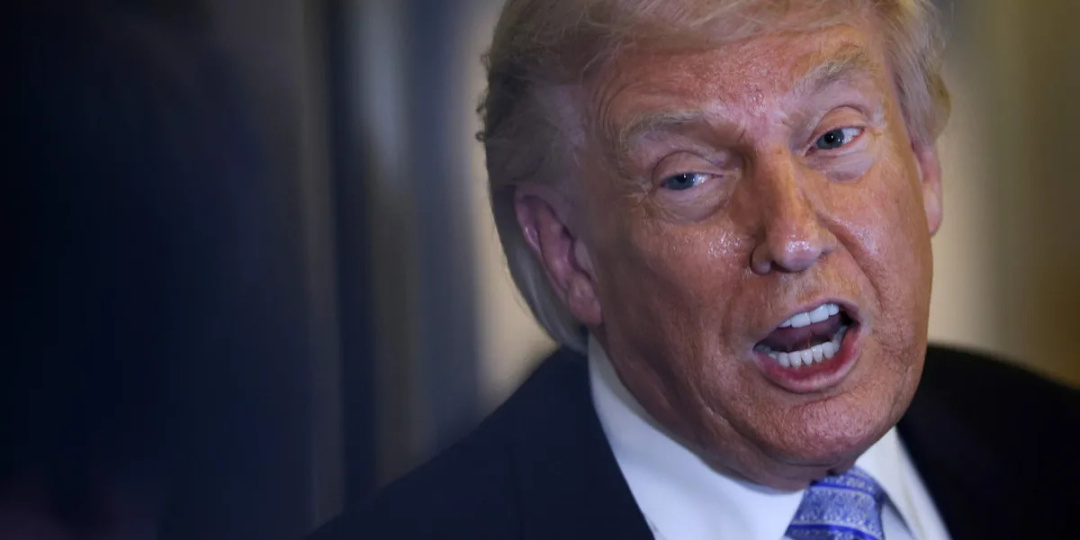
Taxpayer-Funded Trump Ads: Public Service or Political Propaganda?
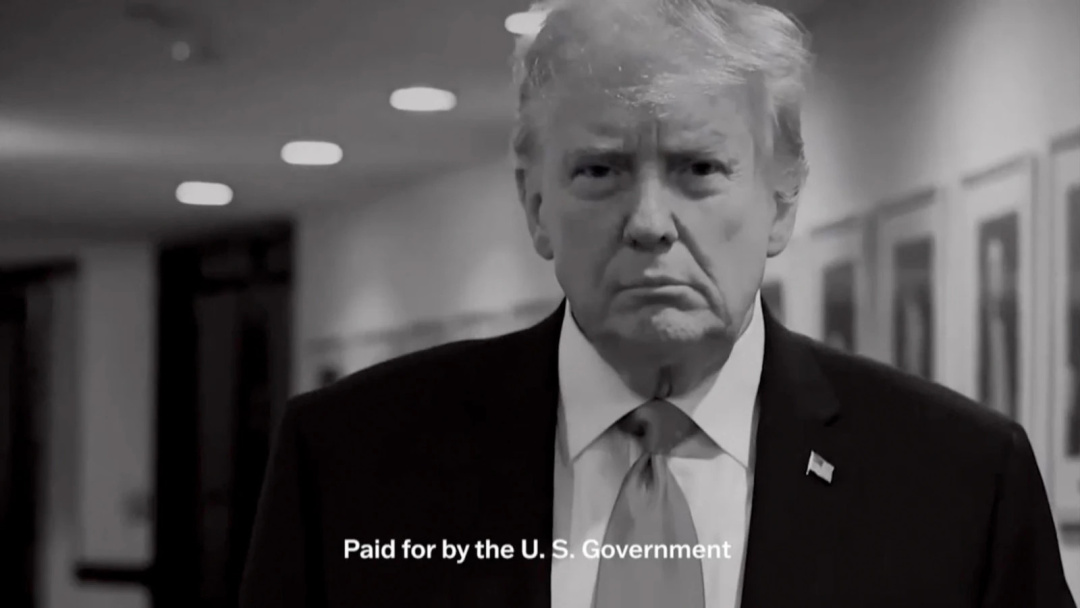
In an astounding display of spending, the federal government has decided to allocate at least $1.7 million towards airing three separate television ads starring President Donald Trump. These ads, which seem less about public service and more about self-promotion, have sparked criticism that they could be infringing upon federal propaganda laws. The White House defends this expenditure, claiming it falls under the category of public service announcements, a designation that sounds suspiciously like a governmental effort to rebrand political ads as something other than campaign propaganda.
One ad features Trump strolling down a monochrome hallway, delivering a dramatic monologue about "the final battle" against the so-called "deep state" and the "globalists". Viewers are treated to his piercing gaze as he ominously pledges to "rout the fake news media" and liberate America from its perceived villains. Meanwhile, this very advertisement appears to be a recycled gem from Trump's 2024 campaign, originally aired when he was out of office.
Still Beats Watergate:
Sponsor success. Continue reading:
The ad's run on networks such as Fox and NBC has led to intense scrutiny, especially as it aired during prominent programming slots like college football games and NBC's "Meet the Press". Critics from both sides of the political spectrum are voicing their concerns. Democratic Rep. Jamie Raskin, the top Democrat on the House Judiciary Committee, has labeled the situation as potentially criminal, suggesting that this use of taxpayer dollars could be a blatant Hatch Act violation. He’s not alone in his condemnation; Republican figures have also expressed outrage over the ethical implications, emphasizing that public funds should not be used for political self-promotion.
Republican candidate Brinker Harding from Nebraska chimed in, pointing out the hypocrisy of funding an advertisement amid a national debt nearing $40 trillion while many Americans struggle to make ends meet. Harding's sentiment reverberates a broader frustration about fiscal responsibility as he insists that taxpayer money should be judiciously spent, not funneled into flashy political ads.
Defending Controversial Messaging Strategies
As the controversy swirls, White House Communications Director Steven Cheung attempts to quell the outrage, branding the ads as epic public service announcements. Cheung’s defense has included a historical nod to President Woodrow Wilson’s use of taxpayer-funded propaganda during World War I, which he insists should not be viewed in the same light as the Trump ads. While some may view them as educational, Cheung's assurances that these announcements do not promote Trump as a candidate are met with sizable skepticism.
Amidst calls for accountability and transparency regarding the funding sources and production process of these ads, the ethical lines remain blurred. While the White House insists the ads are patriotic and educational, critics maintain that they unashamedly blur the lines between public service and political campaigning, raising important questions about the integrity of governmental messaging.
The Unraveling of Ethical Boundaries
As this saga unfolds, it serves as a stark reminder of the ongoing tensions between political messaging and ethical governance. The arguments being levied by lawmakers suggest that the ramifications of these ads could extend beyond mere financial implications. The ethicality of using taxpayer funds in this manner is under intense scrutiny, and the outcome of these discussions could redefine how political communications are approached in future administrations.
In a political landscape riddled with skepticism and distrust, the implications of this situation resonate deeply with the public. Whether viewed as a clever marketing strategy or a flagrant abuse of power, the use of government resources for personal political gain poses significant questions regarding accountability and integrity in modern governance. As the administration presses on with its messaging strategy, it remains to be seen whether these ads will alter public perception or simply serve as another chapter in the ongoing saga of political theater in America.