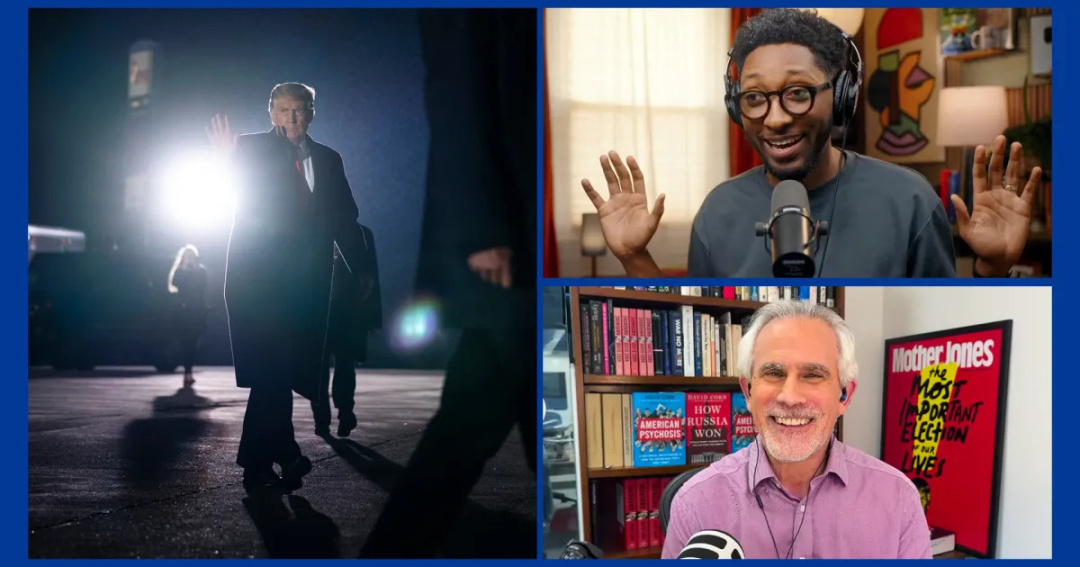
Republicans Face 2026 Election Echoes of 2006 Failures in Narrative Control
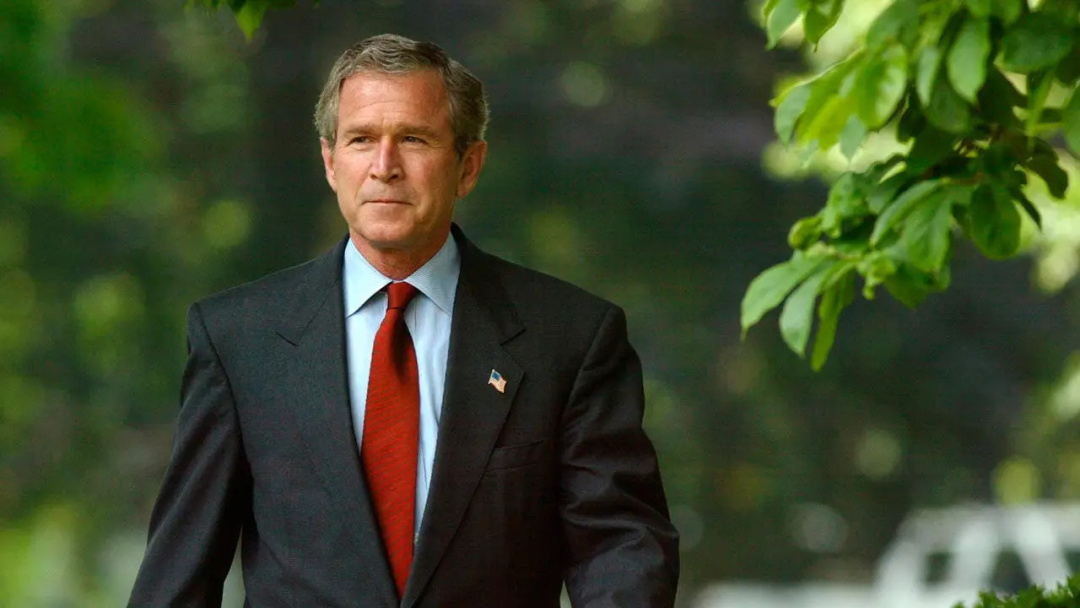
With the 2026 midterm elections looming, the Republican Party appears to be navigating a perilous path reminiscent of their disastrous 2006 campaign. As history often serves as a stern teacher, the lessons from a decade and a half ago concerning narrative control and electoral strategy are starkly relevant once again.
In 2006, despite a flourishing economy and the addition of significant jobs, the GOP lost its grip on Congress, transitioning from a commanding majority to a minority status. This dramatic shift was largely attributed to a failure to effectively control the narrative surrounding the Iraq War, which had become a decisive factor for voters who were fatigued by prolonged conflict. Today, with ongoing military engagements abroad, Republicans seem to be in a similar predicament, risking history repeating itself without a robust plan to engage voters moving forward.
Still Beats Watergate:
Sponsor success. Continue reading:
The Republicans' narrative in 2006 was predominantly shaped by public sentiments regarding the Iraq War, which held a disapproval rating of 56%. This backdrop of growing dissent made the party's narrative ill-suited to win over independent voters, who decisively supported Democrats that year. Fast forward to 2026, and the landscape appears strikingly similar, with gas prices rising amidst geopolitical tensions, leaving many voters once again feeling unsettled.
What is particularly alarming for the GOP is the absence of a defined forward-looking agenda. Instead of presenting voters with a clear plan — something akin to a three-point strategy for improvement — the party seems to lean heavily on historical advantages and a sophisticated outreach strategy that might not resonate with an electorate eager for concrete solutions. The failure to articulate a compelling narrative could very well lead to a repeat of the past, where events dictated the election outcome rather than proactive messaging.
The Importance of Narrative Control
The key to understanding the 2006 loss lies not just in what was presented to voters but also in what was conspicuously absent: a vision for the future. Republicans back then placed their hopes on an inherited financial advantage and a previously successful media strategy, neglecting the importance of crafting a message that connected with voters' concerns. Today, they face a divided media landscape that complicates narrative control, making it essential to develop a coherent policy vision that resonates beyond mere opposition to Democrats.
As the election cycle approaches, the current GOP must heed the cautionary tales of their predecessors. While the party can still leverage the lessons learned from past missteps, it must urgently pivot from reactive posturing to proactive policy proposals that can genuinely appeal to the electorate's desires for peace, security, and economic progress. In doing so, they might just navigate the treacherous waters of the upcoming midterms and avoid the electoral pitfalls of 2006.
Your Takeaway
If Republicans hope to emerge victorious in 2026, they must offer tangible solutions to pressing issues rather than relying on outdated strategies or negative campaigning. Engaging voters with a clear, actionable plan is more crucial than ever, as history shows that merely criticizing the opposition without presenting a path forward is a recipe for electoral disaster. The lessons of 2006 remain ever pertinent: voters want to know how their lives will improve, not just that the other side is flawed. Therefore, the time for Republicans to act and articulate their vision is now.