Miami Museum Remembers Bay of Pigs: A Pixelated Tribute to a Flop
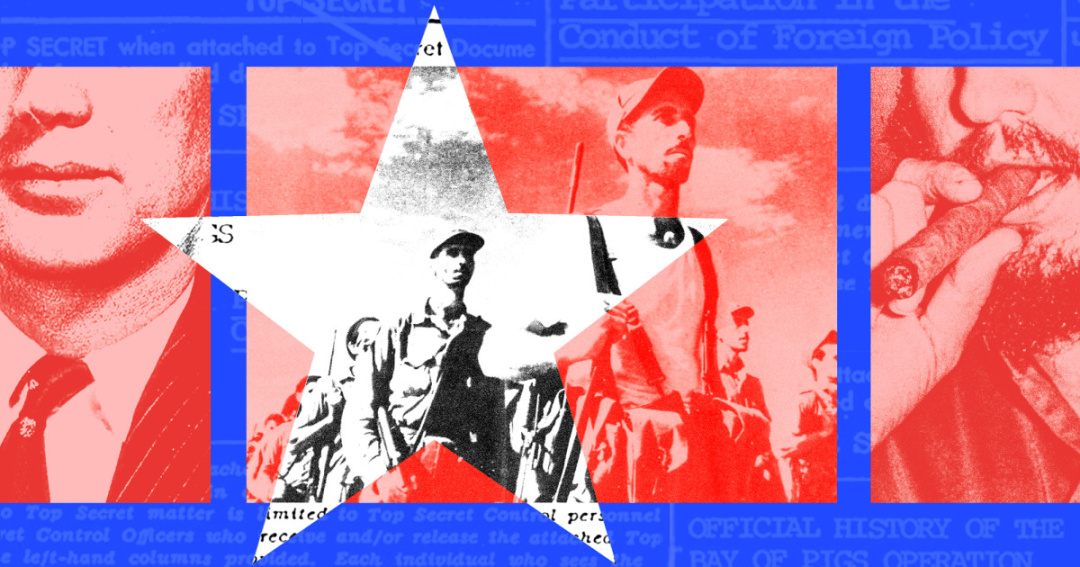
In an astonishing feat of bipartisan cooperation and historical revisionism, Miami has proudly unveiled a new museum dedicated to the Bay of Pigs invasion, a glorious failure that somehow manages to be celebrated with the fervor usually reserved for national victories. This shiny new establishment, complete with glass displays and a mural of the Cuban flag, invites visitors to reflect on a moment when U.S. foreign policy misfired spectacularly, and yet somehow became a canvas for collective nostalgia.
The grand opening of the Bay of Pigs Museum and Library coincided with the 65th anniversary of the invasion, providing a fitting backdrop for a ceremony that could only be described as a combination of a political rally and an awkward family reunion. Local politicians, from Democrats to Republicans, gathered to celebrate this shrine to a botched military coup, proving that when it comes to commemorating past blunders, party lines can indeed be blurred—especially when there are photo ops to be had.
Still Beats Watergate:
Sponsor success. Continue reading:
As visitors step through the doors of this temple to historical mishaps, they are greeted by a towering mural that gives a stern nod to the Cuban flag, as if to say, "We remember you—even if we’d rather forget how this all turned out." The museum’s president, Carlos Luis, emphasized the importance of this project for the Cuban community, declaring, "We’ve got to put party lines aside!" A noble sentiment, indeed, but one perhaps better suited for a barbecue than a commemoration of military incompetence.
Eduardo Zayas-Bazán, now a sprightly 90-year-old, was once a proud participant in the invasion. His personal journey from soldier to professor provides an impeccable lens through which to view this museum. Wearing a guayabera that screams, "I survived a fiasco," Zayas-Bazán walked through the exhibits, recounting tales of bravery—or perhaps sheer folly, depending on one’s perspective. His reflections on the black-and-white footage of pre-Castro Cuba were tinged with a kind of wistfulness that could only be born from a lifetime of unfulfilled dreams.
The exhibits themselves are a curious blend of artifacts and dramatizations that paint the invasion as a noble cause, while conspicuously glossing over the actual human cost. La Rastra de la Muerte, or the "trailer truck of death," is memorialized with a display that would make a history teacher wince. Notably, the museum seems more concerned with preserving the memory of what could have been rather than confronting the tragic reality of what actually transpired.
Meanwhile, the current situation in Cuba is a far cry from the romanticized narratives perpetuated in the museum. With the island grappling with economic collapse and a crumbling infrastructure, one can only imagine what the actual Cubans think of their history being repackaged as a museum exhibit in Miami. As Zayas-Bazán wistfully reminisced about his homeland, one could almost hear the echoes of a collective sigh from the Cuban diaspora, caught between nostalgia and the stark reality of modern-day Cuba.
In a world where political theater often overshadows genuine progress, the Bay of Pigs Museum stands as a testament to the lengths we will go to preserve our narratives, even if they are steeped in failure. After all, in Miami, when it comes to history, it's not just about what happened—it's about how well we can market it to the next generation. And if that means turning a failed invasion into a tourist attraction, then so be it—because nothing says democracy like a good old-fashioned history museum that sells t-shirts.