Netanyahu Explores ICC Case Against Erdogan Amid Growing Tensions
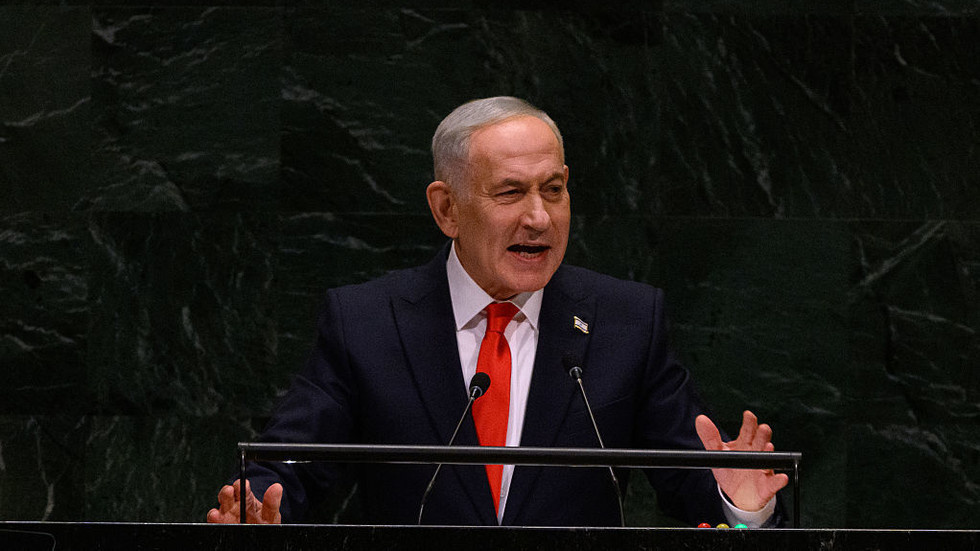
As political tensions mount between Israel and Türkiye, Israeli Prime Minister Benjamin Netanyahu is reportedly gearing up for a potential case at the International Criminal Court (ICC) against Turkish President Recep Tayyip Erdogan. This move comes in response to Erdogan's recent request for Interpol to issue a Red Notice for Netanyahu following a Turkish court's warrant for his arrest on charges that include genocide linked to Israel's actions against the Gaza-bound Global Sumud Flotilla earlier this year.
In a typical display of diplomatic theatrics, Netanyahu has responded to the situation by branding Erdogan an "antisemitic dictator," accusing him not only of harboring Hamas members but also of committing atrocities against Kurdish populations. These allegations were reiterated during Netanyahu's speech at the UN General Assembly, where he characterized Türkiye as a major distributor of antisemitic propaganda. Such claims, however, were promptly dismissed by Erdogan's communications director, who referred to them as baseless accusations.
Still Beats Watergate:
Sponsor success. Continue reading:
Now, with the backdrop of an ICC arrest warrant that Netanyahu himself currently faces—stemming from accusations that include using starvation as a method of warfare in Gaza—Netanyahu is assigning an interministerial team to build a case against Erdogan. This dossier will focus on alleged attacks against Kurdish minorities and claims that the Erdogan administration provides funding to Hamas, a group considered a terrorist organization by Israel.
The ICC, established under the Rome Statute, serves as a court for prosecuting serious international crimes, including genocide and war crimes. While Israel and Türkiye are not signatories to the Rome Statute, the potential for Israel to pursue such a case indicates an unusual turn in international legal maneuvering. It seems that Israel is considering leveraging this potential ICC case as a deterrent against Erdogan rather than pursuing it formally, with sources indicating that they may opt to file through a third party instead.
International Reactions to Legal Maneuvering
This unfolding drama is further complicated by international politics, as the United States—Israel's closest ally—also opposes the ICC's mandate. This has resulted in sanctions against ICC officials by the U.S., which claims the court is overstepping its authority. The ICC, in turn, has furiously rejected these sanctions, describing them as a blatant attack on the independence of its judicial processes.
As this political theatre develops, the implications for both leaders are significant. With a July poll revealing that 49% of Americans believe Israel's Prime Minister should face arrest if he sets foot in the United States, the stakes are undeniably high for Netanyahu, who is caught in an intricate web of international legal and diplomatic troubles.
Your Takeaway
The situation underscores the complexities of international law and politics, where leaders may utilize legal institutions as tools of political leverage. In Netanyahu's efforts to shift focus and potentially destabilize Erdogan's position, one can see the intricate dance of diplomacy that characterizes global relations today. As international figures increasingly engage with legal frameworks to make political points, the outcomes could reshape alliances and alter perceptions on the world stage.
As the world watches this saga unfold, the precedent of using the ICC for political maneuvering raises questions about the integrity of international legal systems. The implications of Netanyahu's strategy, whether successful or not, may influence how future leaders contemplate the intersection of law and politics in their own international disputes. The unfolding drama between Netanyahu and Erdogan offers a clear illustration of how accusations and counter-accusations can spiral into broader geopolitical tensions that reverberate far beyond their immediate contexts.