Trump's $810 Million Funding Cut: Lawmakers Cry Foul Over 'Unlawful' Move
The Trump administration has once again stirred the pot in Washington, this time by announcing plans to cut $810 million in bipartisan funding that Congress had graciously approved. As the White House prepares to send these funds back to Congress using a budgetary sleight of hand known as pocket rescissions, lawmakers from both parties are sharpening their pitchforks, declaring the move unlawful and downright audacious.
The funding in question affects several programs and agencies, primarily those aiding immigrants, minority groups, and vital research programs under the Department of Health and Human Services. Proponents of the cuts argue that the money is being wasted, while critics contend that the tactic is an overreach of presidential power, with some even likening it to a fiscal heist.
Still Beats Watergate:
Sponsor success. Continue reading:
In a letter to Congress, President Trump justified the cuts, claiming that the rescissions will 'affect programs of the Departments of Commerce, Education, Health and Human Services, Homeland Security, Housing and Urban Development, and Justice, as well as for International Assistance Programs.' Meanwhile, Senator Susan Collins of Maine has labeled the entire effort as 'unlawful,' emphasizing that such a decision should not rest solely in the hands of the executive branch.
For context, pocket rescissions are a rare maneuver that allows the administration to negate previously allocated spending without Congress's permission. This method hasn’t seen the light of day in nearly half a century until Trump revived it, and it’s stirring up all the right kinds of controversy. With the fiscal year ending soon and Congress set to be out until after the midterms, the timing of this decision raises eyebrows and tempers.
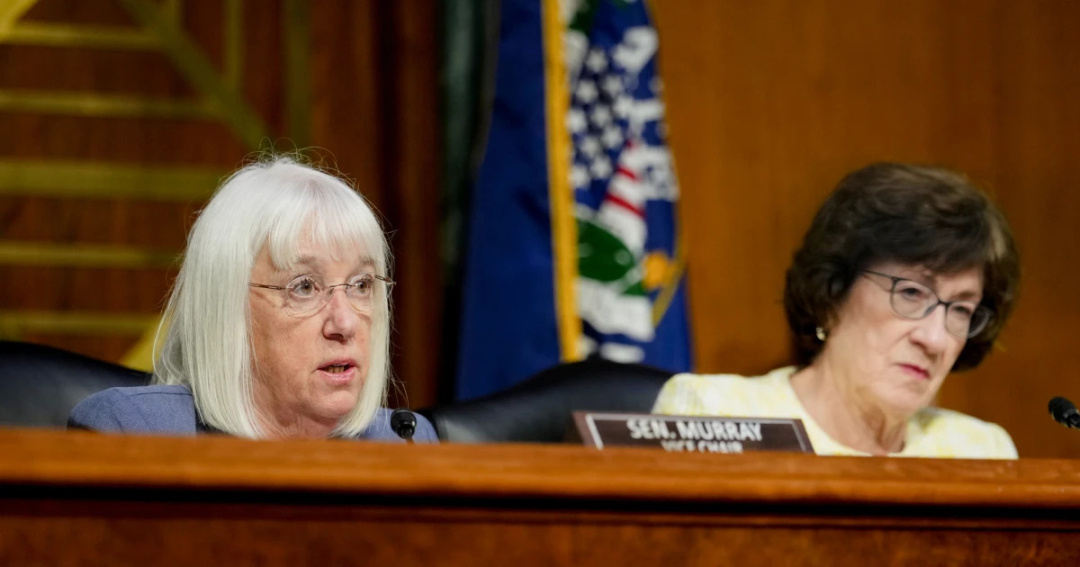
Senator Patty Murray has gone so far as to call the cuts a 'theft from the American people,' directing her ire at Office of Management and Budget Director Russ Vought, arguing that his actions send the message that Congressional votes are not worth the paper they’re printed on. Not to be outdone, Senate Minority Leader Chuck Schumer has also thrown down the gauntlet, arguing that this move strips nearly $1 billion from critical funding streams in a manner that he deems illegal.
So what’s next? The White House claims that these cuts further reflect Trump’s commitment to slashing what he considers wasteful spending. However, the issue isn’t just about money; it’s about the balance of power and the ongoing tussle between Congress and the White House over who gets to decide what programs are worthy of funding.
This latest budgetary drama serves as yet another reminder of the deeply intertwined fates of our elected officials and the executive branch. With lawmakers decrying the administration's tactics, it looks like the political theater in Washington is far from over, as representatives prepare to challenge these cuts and the broader implications of executive power remain at the forefront of national discourse.
The Implications of Executive Power
As the dust settles on this latest controversy, it’s clear that the use of pocket rescissions is more than just a budgetary maneuver; it's a flashpoint in the ongoing debate about the boundaries of executive authority. Should a president be able to unilaterally decide to withhold funding that Congress has approved? This question isn't just academic; it hits at the very core of our democratic process and the checks and balances intended to prevent any one branch of government from wielding too much power.
With the midterm elections looming and the stakes higher than ever, the fallout from this funding cut could reshape the political landscape in ways we can only begin to imagine. As lawmakers gear up to push back against these 'illegal' actions, one can only wonder what further antics await us from the Oval Office in the coming months.
Your takeaway
In this era of political upheaval, every decision made in the halls of power counts. The $810 million cut isn't just a budgetary blip; it's a clarion call for vigilance against the potential overreach of executive power. As citizens, we must remain informed and engaged, holding our elected officials accountable, lest we find ourselves at the mercy of decisions made in the name of streamlining government spending, yet devoid of democratic legitimacy.