Lula's Bet Against Online Gambling: A Presidential Gamble
In a bold stroke reminiscent of a political high-stakes poker game, Brazil’s President Luiz Inácio Lula da Silva has decided to ban fixed-odds betting just days before the presidential election. With the kind of urgency typically reserved for a last-minute campaign rally, Lula's administration is aiming to tackle what they describe as a pervasive issue—the tendency for families to spiral into debt through gambling.
The decree, signed with a flourish, immediately prohibits the operation, promotion, and advertising of betting platforms, leaving users with a tight deadline: they have until October 5 to withdraw their funds. Lula, ever the dramatist, likened his decision to removing a cancerous tumor during a press conference in São Paulo, claiming, "It’s like cancer, you take out the tumor, or the tumor will kill us."
Still Beats Watergate:
Sponsor success. Continue reading:
Critics, however, have been quick to point fingers. Notably, Senator Flávio Bolsonaro, Lula's main opponent, has accused the President of using this move as an electoral strategy to distract from other pressing issues ahead of the elections. Following accusations of “transforming addiction into profit” leveled against the gambling industry at the United Nations General Assembly, the notion of this ban has been met with both applause and skepticism.
Polls indicate a broad public support for the ban, with many Brazilians eager for a solution to the estimated 38.8 billion reais (approximately $7 billion) that gambling is said to cost society annually in terms of increased rates of depression and suicide. It seems the administration is keen to present itself as the protector of the public, stepping in to shield vulnerable citizens from the predatory nature of online betting.
Yet, Lula's past stances on gambling raise eyebrows. The betting industry was originally legalized in Brazil back in 2018, during Michel Temer's presidency, and has since flourished under former President Jair Bolsonaro, Flávio's father. Now, just as the betting revenue begins to resemble a massive jackpot—estimated at over $4 billion annually—the current administration is pulling the proverbial slot machine lever in hopes of hitting the jackpot of public approval.
The Sports Betting Backlash
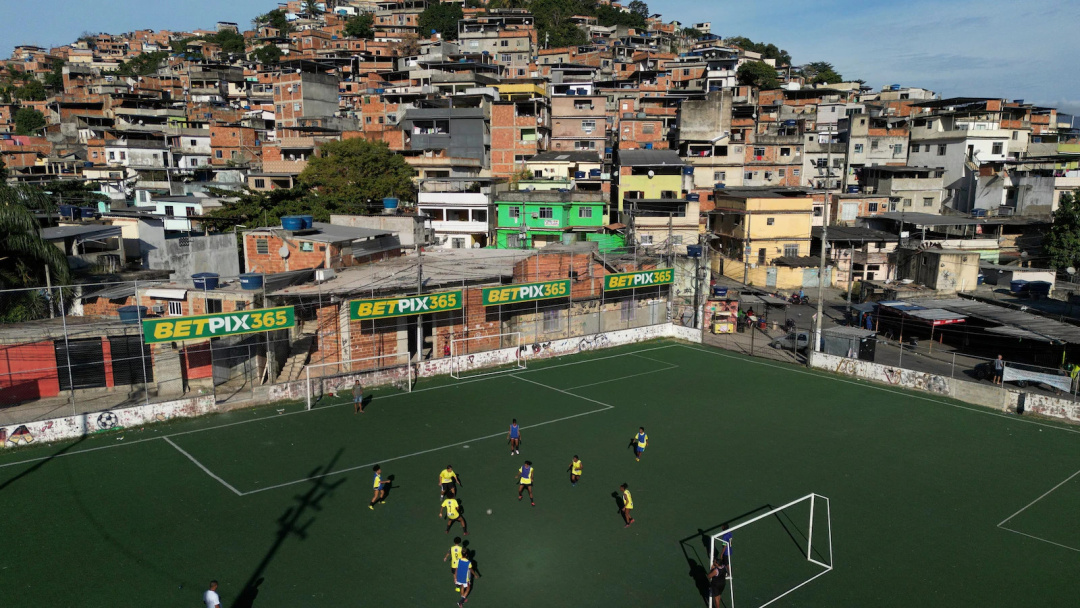
As Brazil's soccer clubs warn that banning betting could mean the "end of Brazilian soccer," Twitter has erupted with sarcastic commentary on this supposed impending doom. Football fans are divided; some are ready to see the back of gambling's toxic influence on the sport, while others lament the potential loss of sponsorship revenue.
While Lula's gamble may seem like a political power play, it's also a push to address a genuine public health crisis. The administration's previous attempts to regulate the gambling sector included blocking over 2,000 illegal betting websites linked to criminal organizations, which adds a layer of complexity to the narrative.
With Lula's government now drafting legislation that would criminalize the promotion of fixed-odds betting, it’s clear that this ban is not merely an electoral maneuver but a strategic pivot towards more comprehensive gambling regulations. Will this strategy pay off in the elections, or will it backfire spectacularly? Only time will tell, but one thing is certain: Lula is all-in on this bet against online gambling.
Your takeaway
As Brazil navigates this turbulent political landscape, one must wonder if Lula's dramatic ban will truly address the issues at hand or if it's merely a flash in the pan designed to curry favor with voters. With elections looming, the stakes have never been higher, and both supporters and detractors will be watching closely to see how this gamble plays out in the larger game of Brazilian politics.