Trump's Bold Proposal: Asking Xi to Buy U.S. Arms
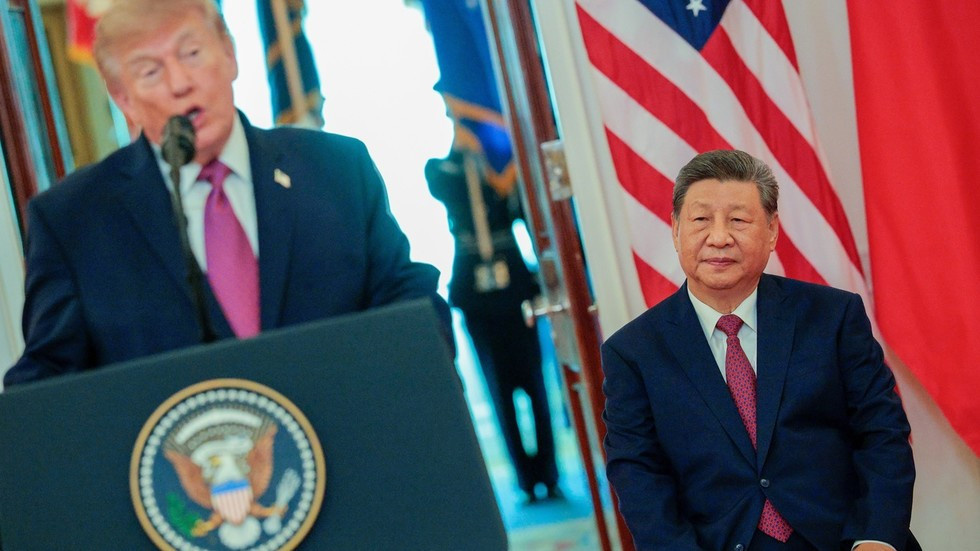
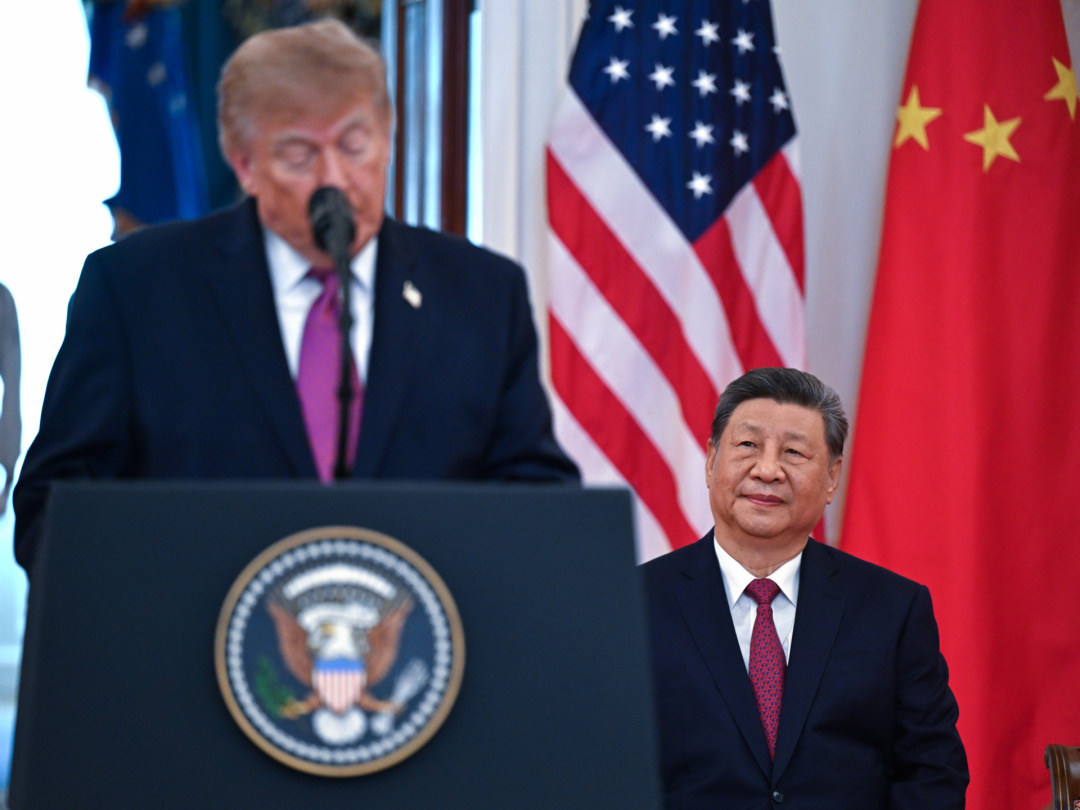
In a recent exchange that could have easily come straight out of a political comedy, U.S. President Donald Trump asked Chinese President Xi Jinping whether China had any interest in buying American weapons. This eyebrow-raising inquiry was revealed by U.S. Ambassador to China, David Perdue, during an interview on Fox News Sunday. It’s a classic Trump maneuver that exudes both bravado and confusion, given the historical context of military export restrictions to China.
Perdue recounted Trump’s bold ask, claiming, "President Trump continues to say, ‘Hey, we sell arms to other people around the world.’" What remains murky is whether this was a serious proposal or just another one of Trump's attempts at deal-making that often blur the lines between reality and rhetoric. The ambassador provided no details about what specific weapons might have been on the table or how Xi reacted to this unusual overture.
Still Beats Watergate:
Sponsor success. Continue reading:
To provide some context, U.S. law has effectively maintained a strict arms embargo against China since 1990, limiting the export of defense articles unless exceptional circumstances arise. The notion that Trump would suggest selling arms directly to Beijing flies in the face of decades of policy designed to curtail China's military capabilities. After all, China has its own robust arms manufacturing industry that dwarfs that of the U.S. in many aspects—especially in areas like shipbuilding and drone production.
While the surreal nature of this conversation might inspire a chuckle, it also underscores the serious ramifications of U.S.-China relations. The Trump administration is already grappling with the fallout from its weapons sales to Taiwan, which has been a source of contention between the U.S. and China. The 1979 Taiwan Relations Act obligates the U.S. to support Taiwan’s self-defense, thus complicating any overtures to Beijing regarding arms sales. In fact, recent months have seen a significant uptick in U.S. arms packages to Taiwan, including a staggering $11 billion deal announced last December.
As we dissect this peculiar diplomatic moment, one cannot help but question the practicality of such a proposal. What exactly could the U.S. offer China that they cannot produce themselves? Given that China is capable of producing most major conventional weapons domestically, Trump's suggestion may have missed the mark entirely. It raises larger questions about what competitive edge, if any, the U.S. could provide to justify such a sale.
The Seriousness Behind the Humor
Despite the potential for comedy in this situation, the implications of this exchange are no laughing matter. The U.S. remains Taiwan's primary arms supplier while maintaining an official policy of one-China. This precarious balancing act continues to exacerbate tensions in the Taiwan Strait, with Beijing repeatedly demanding that Washington cease military support for Taiwan. This latest diplomatic oddity only adds to an already complex relationship, leaving analysts and citizens alike wondering just how serious this administration truly is about its foreign policy.
As we navigate through these bizarre political waters, one thing is clear: Trump's penchant for making unexpected asks is emblematic of his administration's overall approach to diplomacy—unorthodox, chaotic, and often leaving us wondering what the next headline might be.
Your Takeaway
The fallout from this interaction could have significant ramifications. With Congress having imposed strict restrictions on defense sales to China, any attempt to formalize such a sale would be met with legal hurdles and significant pushback from lawmakers. The ambassador's comments, while seemingly lighthearted, highlight the precarious nature of U.S.-China relations and the implications of Trump's negotiating style.
In an era where diplomacy often resembles a game of poker rather than a measured statecraft, Trump's overture to Xi presents a unique case study in international relations. Whether this was a genuine attempt at negotiation or a political stunt remains to be seen, but it certainly adds another layer of absurdity to the ongoing saga of U.S.-China relations. As always, the world watches and waits, popcorn in hand, for the next act in this unfolding drama.