Trump Denounces Obama's Claim That Women Would Improve Governance
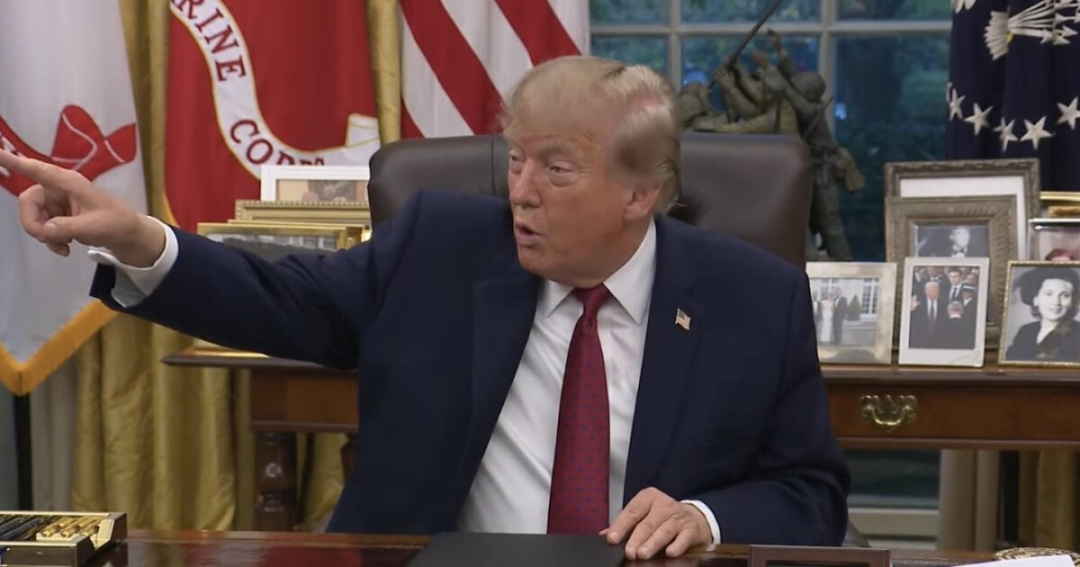
In a recent press conference, President Donald Trump unleashed his trademark rhetoric on former President Barack Obama's assertion that if women were in charge of government for two years, things would be better. "I love women, I think they're great, but what a ridiculous statement that is, right?" Trump exclaimed, underscoring his skepticism regarding women's leadership capabilities during a press briefing in Washington, D.C.
Obama's original comments were made during an interview at Massachusetts’ Salem State University, where he shared his belief that having women in leadership roles could lead to improvements in global governance. "I’m confident about that," he stated, drawing applause from the audience. The juxtaposition of their statements illustrates the ongoing public spectacle of disagreement that defines the relationship between the two former presidents.
Still Beats Watergate:
Sponsor success. Continue reading:
The comment from Obama was not merely a passing remark but rather a call to recognize the potential for change through diverse leadership. Yet, Trump's dismissal of this idea reflects a broader cultural divide regarding gender and authority in governance. His statement serves as a reminder of the persistent stereotypes and biases that continue to influence public discourse around leadership roles.
This back-and-forth is emblematic of the rivalry that has characterized Trump and Obama's relationship since Trump took office in January 2017. Their exchanges often provide fodder for political commentary, revealing deeper divides over issues of race, gender, and overall governance.
As the two figures continue to share the political stage—albeit from different vantage points—the tension between their contrasting ideologies remains palpable. Trump’s recent comments not only shine a light on his unease with Obama's assertions but also revive discussions about the role of women in leadership and the systemic barriers they face.
The Ongoing Debate Over Gender and Leadership
This dialogue complicates the narrative surrounding women in positions of power, as it challenges both societal norms and expectations. Obama's optimistic view of women as leaders clashes sharply with Trump's skeptical stance, and this dissonance highlights the ongoing struggle for gender equality in various sectors, including politics.
As the election cycle heats up and conversations about leadership styles evolve, the implications of these discussions could influence not only public perception but also electoral outcomes. The narrative constructed around these leaders continues to resonate with voters, shaping opinions on who is fit to lead in these turbulent times.
Your Takeaway
In the end, this exchange is more than just a clash of personalities; it reflects broader societal attitudes towards gender and authority. As we move forward, the challenge remains: how will these leaders inspire the next generation, and what model of governance will emerge in the face of such debates? The perspectives offered by both Trump and Obama serve as touchpoints in an ongoing national conversation about who should lead and how leadership should be defined in the modern era.