US Military Action in Brazil: A New Reality or Just Political Theater?
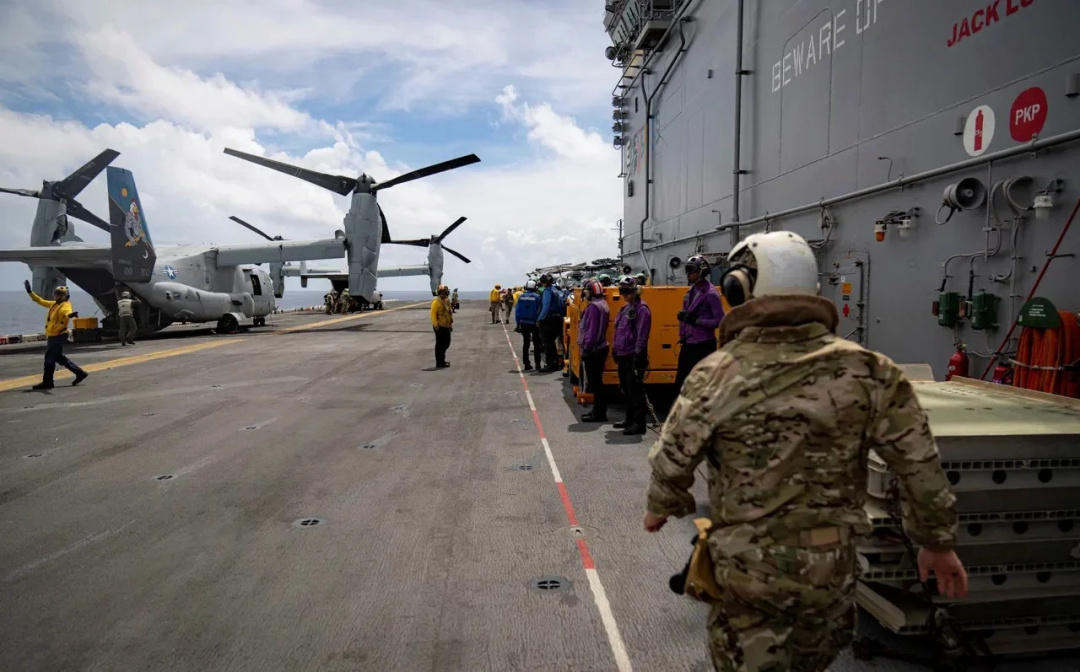
In a stunning turn of events, Brazil’s historically buttoned-up Foreign Ministry, famed for its diplomatic restraint, has suddenly decided to take the gloves off. In an official memo that reads like a script from a low-budget political thriller, Itamaraty has explicitly warned that the United States might just send in the troops. Forget the usual diplomatic niceties; this is the new normal where the only thing more alarming than the warning itself is the fact that it came from Brazil's most conservative institutional voice.
This eyebrow-raising alert comes on the heels of a series of questionable American maneuvers in the region, from Venezuela to Colombia, where the US seems to have mistaken its role for that of the neighborhood bully. The Brazilian ministry's warning highlights a growing concern that the US is wielding military force like a blunt instrument, with no regard for the consequences. Meanwhile, Brazil's criminal organizations, now labeled as terrorist entities by Washington, are likely feeling more than a little misunderstood, as they find themselves caught in the crosshairs of a geopolitical chess game they never signed up for.
Still Beats Watergate:
Sponsor success. Continue reading:
It’s almost comical how the US has decided to treat Brazil’s criminal syndicates with the same legal framework used for ISIS, as if the Comando Vermelho and Primeiro Comando da Capital were planning to unleash a wave of terror across the Amazon rainforest. In reality, they’re more interested in profit margins than political ideologies. Yet here we are, with Brazil’s finest diplomats ringing alarm bells over an exaggerated threat that exists more in the realm of fiction than reality.
As Brazil navigates this new era of perceived threats, one can't help but wonder if the US is attempting to make a point or simply flex its military muscle. Either way, the message is clear: when in doubt, apply pressure. In the grand scheme of things, Brazil's response to this situation will be pivotal. Will they bow to the pressure from a country that seems hell-bent on drawing lines in the sand, or will they stand their ground, brandishing their diplomatic credentials like a shield?
In this high-stakes game of international politics, Brazil finds itself on a precarious tightrope. With America already stretched thin in other global conflicts, the likelihood of direct military action seems far-fetched, yet the rhetoric alone is enough to raise the hackles of any sovereign nation. It looks like the days of subtlety have been cast aside for a more theatrical approach to diplomacy, where every word is carefully choreographed, and every threat is a potential headline.
As the world watches this drama unfold, one thing is certain: the line between military action and mere posturing has never been blurrier. With each passing day, it becomes clearer that US foreign policy is increasingly relying on shock value rather than sound judgment. The theater of the absurd has officially made its way to South America, and it’s anyone’s guess how this act will conclude. Will it end in applause or chaos? Only time will tell, but for now, the curtain is up, and all eyes are on Brazil.