FBI Officials Demoted Amid Whispers of Harassment and White House Drama
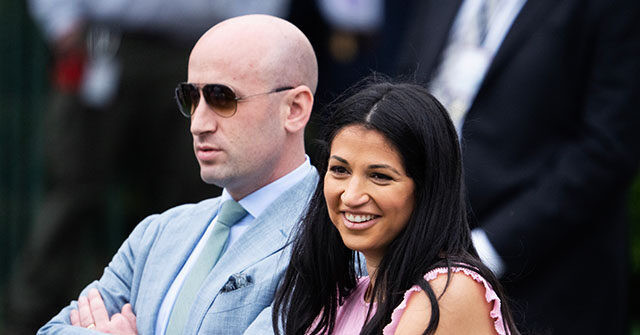
Two veteran FBI counterterrorism officials, Michael Burgwald and Courtland Rae, recently faced demotion in a plot twist that seems ripped from the pages of a political thriller. Their reassignment comes after investigators dismissed calls allegedly made to Katie Miller, a conservative podcaster married to White House Deputy Chief of Staff Stephen Miller, as not serious enough to warrant further inquiry. It's always a bit puzzling when threats made against a public figure's family fail to raise alarm bells, but the FBI's Washington Field Office decided that these specific incidents didn’t meet the threshold for action, supposedly identifying no terrorism link.
The aftermath of this conclusion had all the subtlety of a sledgehammer, causing noticeable friction between the field office's leadership and higher-ups at the FBI, including Director Kash Patel. According to reports, dissatisfaction was brewing regarding the pace and thoroughness of the investigation, with the Miller family, not exactly shy about their political connections, echoing those frustrations. One can only imagine the conversations at FBI headquarters, where a demotion is not just a career setback but an overt sign of displeasure from the upper echelons of the bureau.
Still Beats Watergate:
Sponsor success. Continue reading:
Burgwald, an esteemed West Point alum and a recipient of multiple attorney general awards, and Rae, who helped oversee the FBI's response to the Boston Marathon bombing, certainly have their credentials. Yet their fates now hang in the balance, removed from the frontline of counterterrorism as the nation continues to grapple with its ongoing conflicts. This unusual shakeup highlights not just the procedural intricacies of the FBI but also the web of influence that the White House can weave into such decisions.
Clarifying the White House's Role
The White House, for its part, insists that no direct orders were given regarding the personnel changes, with spokesperson Lauren Bis stating the Millers had no personal interactions with the demoted officials. "Senior leadership at the FBI determined they were stifling investigations into very serious threats and made a unilateral decision to remove them," she said, throwing a splash of cold water on speculation regarding political interference. It's almost like a game of bureaucratic hot potato, where no one wants to be left holding the blame.
Your takeaway
As the details surrounding the harassment calls remain under wraps, one can’t help but wonder what kind of messages were deemed so harmless that they didn’t warrant FBI attention. Could these ambiguous threats signal a shift in how the FBI handles cases tied to politically charged figures? Or will they remain a mere footnote in an ever-evolving saga of political drama?
The shakeup serves as a reminder of the precarious balance between maintaining national security and ensuring that internal disputes do not compromise the integrity of investigations. As the United States finds itself in a precarious global landscape, the removal of decades of counterterrorism experience from the Washington office raises concerns about the FBI's operational effectiveness. With the looming tension of war on the horizon, one can only hope that the agency's internal squabbles do not divert attention from the real threats that persist beyond the walls of Washington.