Trump Blockades CNN's White House Access Again After Court Ruling
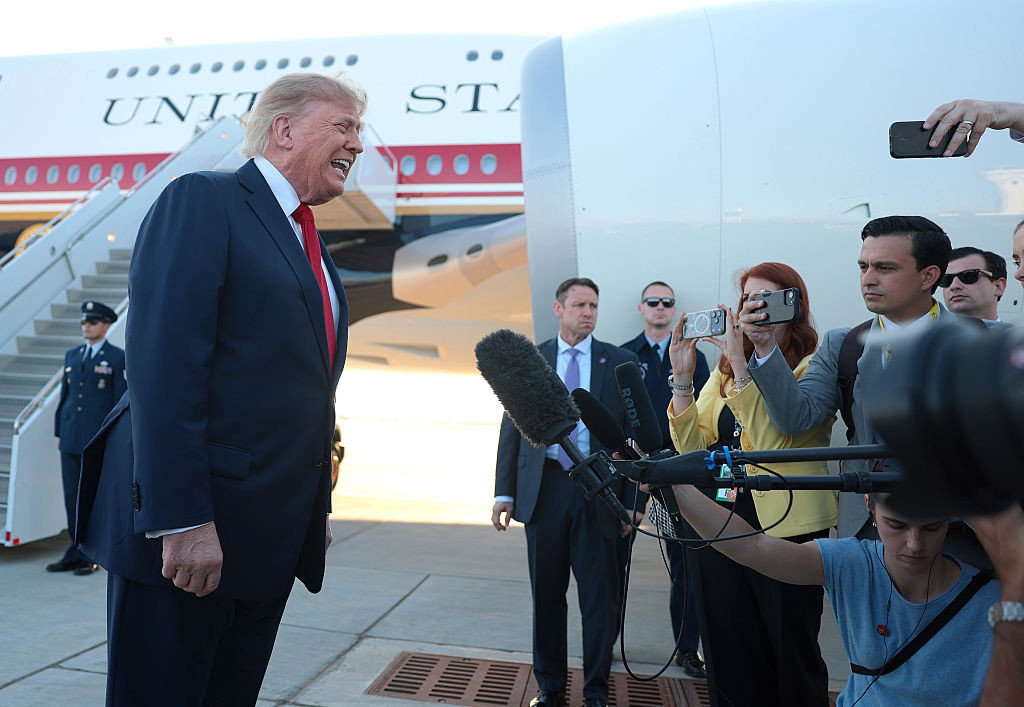
In a development that’s surely not surprising to anyone with even a passing interest in the circus that is Trump’s administration, CNN found itself barred from traveling on Air Force One just days after a federal judge ordered that its access to the White House be restored. The timing, of course, is impeccable in the realm of political theater; after all, what could be more entertaining than a sitting president thumbing his nose at a court ruling?
The event that CNN was denied access to was Trump’s scheduled trip to Knoxville, Tennessee, where he was set to attend a college football game. Instead of the network known for its unyielding coverage, the White House opted to roll out the red carpet for Real America’s Voice News, a channel that, shockingly, isn’t part of the traditional television pool that has the responsibility of covering presidential events. Talk about a creative way to sidestep accountability!
Still Beats Watergate:
Sponsor success. Continue reading:
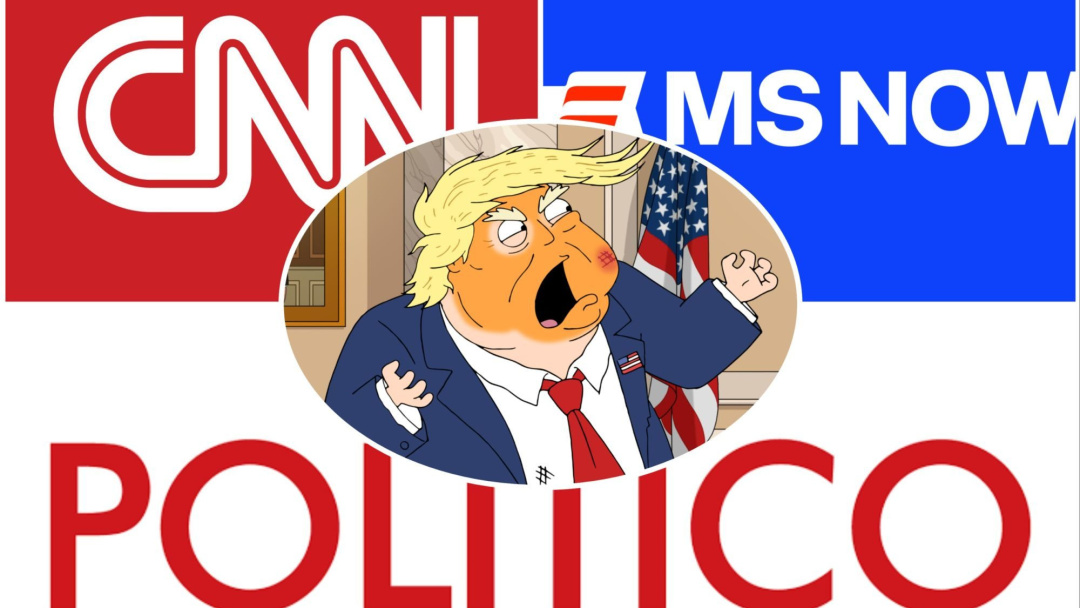
This latest escapade comes in the wake of a temporary ruling by U.S. District Judge Timothy Kelly, a Trump appointee no less, who decided that the administration’s ban on CNN, MS NOW, and Politico violated their right to due process. Sure, the judge may have given them back their White House hard passes, but that didn’t stop the administration from tightening the noose on CNN’s air travel privileges faster than you can say “fake news.”
The episode reverberates beyond mere childish antics; it raises profound questions about the President’s relationship with the media and the nature of press freedoms in the United States. Despite Judge Kelly’s ruling, the administration’s rapid pivot to exclude CNN from Air Force One suggests a troubling disregard for the implications of such decisions. After all, the news organizations involved claimed their First and Fifth Amendment rights were being violated — a claim that shouldn’t be taken lightly.
Trump's Social Media Rant and Its Fallout
In a classic Trumpian move, the President took to Truth Social, airing grievances like a toddler who’s just been denied dessert. He lamented the presence of “perpetrators of FAKE NEWS” in the sacred halls of the White House, which, let’s face it, is more about the tantrums of a leader uncomfortable with dissenting voices than about preserving the sanctity of any location.
The aftermath of this debacle has seen a disruption in the normal functioning of the White House television pool, as other networks refused to cover presidential events without CNN. If the administration hoped to create a vacuum of accountability through exclusion, they instead ended up with a major PR headache. The comedy of errors continued as the networks that remained in the pool were faced with carrying out their responsibilities without the necessary equipment, leaving the White House to grapple with the fallout from its own decisions.
The Constitutional Conundrum of Media Relations
As the saga unfolds, the broader implications of these actions cannot be overstated. We are witnessing a precarious balancing act between executive power and the rights of the press, one that is critical to the health of our democracy. The actions taken by Trump’s administration not only challenge the norms of media access but also stir a potent debate about the extent to which a President can control the narrative and, by extension, the public’s perception.
In the world of political satire, this situation is a gift that keeps on giving. One can't help but chuckle at the absurdity of it all while simultaneously recognizing the real stakes involved. As we wait to see how the legal battles unfold, it’s abundantly clear that the relationship between this administration and the press will continue to be one of tension, conflict, and, undoubtedly, more comedic moments worthy of the stage.