Trump Doubles Down on Media Ban Amid Judge's Ruling on Press Access
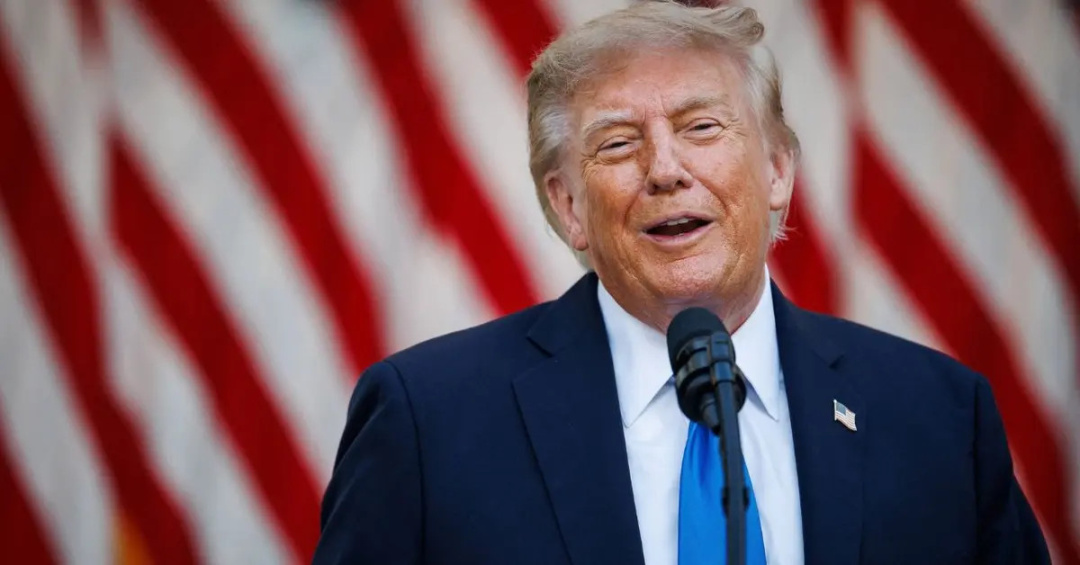
In a scene reminiscent of a political thriller, Donald Trump has once again taken to the digital stage, doubling down on his media ban despite a federal judge's ruling that ordered the White House to restore access to CNN, MS NOW, and Politico. The ruling, issued by Judge Timothy Kelly, has not deterred the President, who has made it clear that he questions the legitimacy of these news outlets even being permitted within the sacred walls of the White House.
In a characteristically aggressive Truth Social post, Trump expressed his disdain for CNN, labeling it and its counterparts as "perpetrators of FAKE NEWS" and demanded to know why they should be granted entry. He lamented that despite what he claims was a significant electoral victory, the media's portrayal of him has been overwhelmingly negative. His comments reflect a broader strategy of media scapegoating, where he attempts to rally his base around a shared grievance against the press.
Still Beats Watergate:
Sponsor success. Continue reading:
The judge's temporary restraining order mandates that these media outlets regain access for at least 14 days, yet Trump remains unyielding. "FAKE NEWS SHOULD NOT BE ALLOWED IN THE WHITE HOUSE!!!" he declared emphatically, framing his administration’s battle against the media as one of national significance.
This skirmish over press access erupted after Trump barred CNN, MS NOW, and Politico from the White House on September 18, asserting that these outlets engage in reporting that constitutes "FICTION and LIES". His social media tirades have become a staple of his public persona, revealing a combative stance that resonates with his supporters while raising serious questions about press freedom.
As if to underline his contempt for mainstream media, Trump has replaced CNN’s presence on Air Force One with LindellTV, the brainchild of My Pillow CEO Mike Lindell, a clear pivot to more favorable media coverage that aligns with his narrative. This move has been met with derision, further highlighting the ongoing tensions between his administration and the press.
Trump's Antagonism Towards Press Coverage
In public interactions, Trump’s sentiments have been similarly antagonistic. A recent encounter with CNN's Kaitlan Collins at the United Nations General Assembly showcased his refusal to acknowledge the press’s role in covering his administration. "I'm surprised that CNN is here covering me. You shouldn't be here!" he remarked, to which Collins aptly responded, "The United Nations allowed us in, sir."
Trump's continued hostility toward media outlets reflects not just personal animus but a strategic move to shape an environment where favorable narratives can flourish unchallenged. The implications of this standoff go beyond Trump’s grievances, touching upon the foundational principles of press freedom which are currently under siege. As the narrative unfolds, it remains to be seen how this conflict will affect the White House's relationship with the press and the broader implications for journalism in a democratic society.
Your Takeaway
With Trump’s latest moves, the battle for press freedom is far from settled. As media outlets navigate their access limitations, the stakes are high—not just for the journalists involved, but for the public’s right to know. Trump’s administration appears prepared to face scrutiny from the judiciary while simultaneously attempting to reshape media narratives in his favor. This ongoing saga serves as a reminder of the delicate balance between political power and press freedom, a cornerstone of democratic governance that must be fiercely protected.
The current conflict between the Trump administration and specific media outlets illustrates a critical flashpoint in the ongoing debate about press access and accountability. As events unfold, observers should remain vigilant about the implications for journalism and the right to free speech in an increasingly polarized political climate. A robust and independent press is essential for democracy, and the outcome of this battle may set important precedents for future administrations and their relationships with the media.