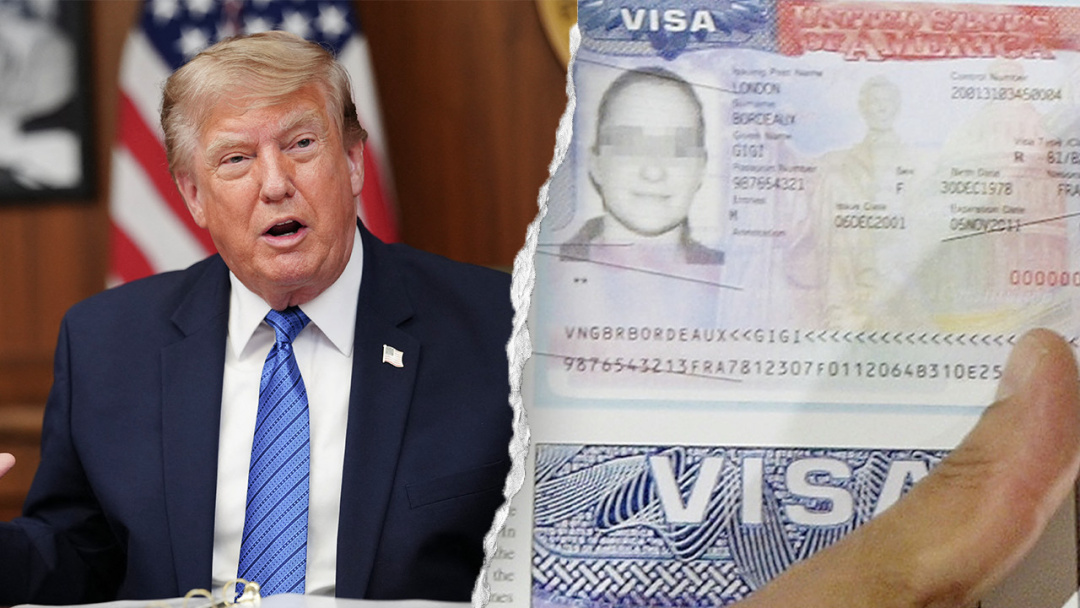
Trump's Financial Crackdown Leaves Immigrants Hiding Cash at Home
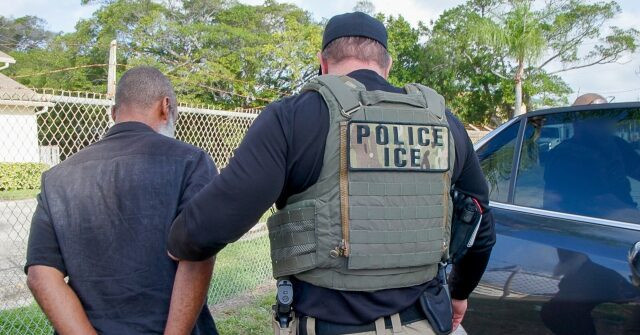
In a move reminiscent of a high-stakes poker game gone wrong, the Trump administration is making waves in the U.S. banking sector with its immigration policies. Non-citizens are scrambling to withdraw their funds, fearing that one wrong step could lead to deportation. According to reports, the number of immigrants maintaining accounts has plummeted, as many choose to revert to keeping cash under their mattresses—an old-school banking method making a comeback.
Bloomberg recently unveiled that the volume of consumer loans to illegal immigrants has sharply declined, with a staggering 70% drop since 2024. Lenders, clearly spooked by the possibility of regulatory scrutiny, are steering clear of risky loans, thus sending a shiver down the spines of those who once relied on credit for everything from buying a car to financing small businesses.
Still Beats Watergate:
Sponsor success. Continue reading:
Erica Serna, an associate director at UnidosUS, voiced concerns about the environment created by these policies. "We’ve seen a reduction overall in people who come for financial services, education services, workforce development," she stated, emphasizing the atmosphere of fear that now looms over immigrant families. It’s almost as if the current administration has turned the streets into a no-go zone for financial assistance, opting instead for an approach that feels more like a warning shot than a welcoming hand.
The irony is thick as the Biden administration, attempting to push back against these restrictions, previously suggested that denying financial services based on immigration status might breach federal laws. In a dramatic reversal, the Trump administration has taken the reins, implementing an executive order mandating that financial institutions scrutinize the residency status of their clients more closely. This has not only sent shockwaves through immigrant communities but has also drawn criticism from groups like the Independent Community Bankers of America, who argue that increased scrutiny could drive American citizens away from the regulated banking system.
Economic Consequences of Financial Restrictions
While the Treasury Department's Financial Crimes Enforcement Network has warned banks to ensure clients are legally employed, critics argue that this crackdown plays politics with people's livelihoods. The numbers are telling: loans to individuals lacking traditional credit scores have dropped precipitously, with lending for auto loans and credit cards projected to nosedive to a mere $7.2 billion in 2026, down from approximately $37 billion just two years prior.
The financial landscape is shifting dramatically under these new directives, and as Vadim Verkhoglyad from dv01 points out, lenders are likely reducing exposure to undocumented borrowers amidst the changing political climate. The fear among immigrants has materialized into tangible economic consequences, with many opting to avoid banks altogether, effectively cutting themselves off from financial systems designed to support economic growth.
Navigating the New Financial Landscape
As policymakers continue to grapple with the implications of such an aggressive stance on immigration, the question remains: how will these changes affect the average American? Will the effort to clamp down on illegal immigration lead to unintended consequences that ripple through the economy? For many immigrants, the anxiety of keeping their money in banks has led to a strange paradox; they are now more invested in the safety of their cash than ever before, even if it means resorting to old-fashioned methods of stashing cash away.
From a broader perspective, this situation showcases the intricate dance between immigration policy and economic reality. It's reminiscent of a game of chess where every move is closely monitored, and the stakes are existential for many families. As the banking sector adapts to these new realities, one thing is clear: the fear surrounding financial transactions will likely linger, echoing through the corridors of both immigrant and citizen communities alike.