Pakistan's Sharif Hits India, Hails Trump Amid UNGA Drama
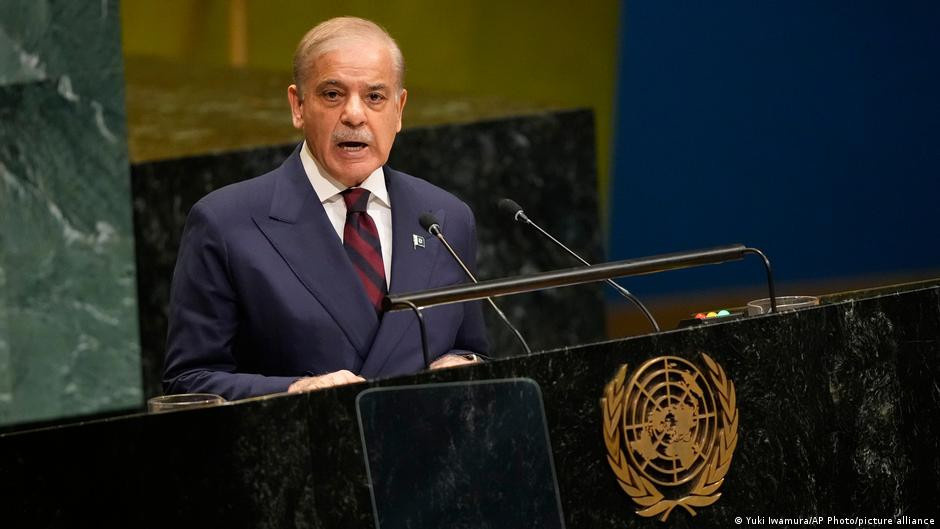
In a dramatic display at the 81st UN General Assembly, Pakistani Prime Minister Shehbaz Sharif took to the podium, not just to discuss pressing global issues, but to settle scores with neighboring India. He accused India of instigating last year's tensions, stating that Pakistan's defensive measures were a legitimate response to 'external aggression.' In a twist that could only be considered the hallmark of international political theater, Sharif credited former President Trump with preventing what he described as an 'all-out war' between the two nuclear-armed neighbors.
This statement, laden with irony, highlights a peculiar relationship where a former U.S. president is hailed for calming nuclear tensions while the current geopolitical landscape remains fraught with potential conflict. To hear a Pakistani leader reference an American president for internal security is a narrative spectacle—one that feels ripped from the pages of a political satire script rather than the annals of international diplomacy. As world leaders gathered to discuss significant matters, including climate change and economic recovery post-pandemic, Sharif's comments diverted attention to the simmering disputes in South Asia.
Still Beats Watergate:
Sponsor success. Continue reading:
Interestingly, this performance didn't go unnoticed. India's External Affairs Minister swiftly rebutted Sharif's claims, calling the remarks 'bizarre' and laying responsibility for regional insecurity squarely at Pakistan's feet, which they accuse of exporting terrorism. The tension between these two nations is palpable, and when the stakes are this high—nuclear capabilities included—it becomes a drama worthy of its own UN assembly sitcom.
Amidst this backdrop of accusations and counter-accusations, the broader narrative of the UNGA is unfolding, with various nations voicing their concerns over AI governance, military escalation, and the pressing need for international cooperation. Yet, here we are, fixated on a bilateral spat that seems to overshadow more critical discussions on global peace and collaboration.
In the midst of Sharif’s fiery rhetoric, one must ponder not just the words being spoken, but the image being projected. Are we witnessing a genuine call for peace, or merely a strategic play to secure favor on the global stage? As the world tunes into the UNGA, the interplay of statements and counter-statements serves as a stark reminder that diplomatic relations often resemble a carefully choreographed dance—one where every step can lead to applause or chaos, depending on the audience's sentiment.
The Power of Narrative in Diplomacy
Sharif's theatrics raise important questions about the narrative control exercised by world leaders. In an age where every statement is scrutinized and reshared across platforms, the difference between political messaging and outright propaganda blurs. The narrative spun at these gatherings is not just about what is said but how those messages resonate—or fail to resonate—on the international stage. The UNGA may have many pressing issues to tackle, but it seems that some leaders are more interested in settling personal scores than in fostering the cooperative spirit the assembly was founded upon.
As the assembly continues, one can only imagine how these narratives will evolve. Will Pakistan and India step back from the brink, or will they continue their back-and-forth on this global stage? And as world leaders return to their respective countries, will they carry with them a commitment to collaboration, or will the drama of political theater overshadow the very real work that needs to be done?
Affecting you
The implications of this narrative are immense, particularly in how they shape public perception and international policy. As the debates unfold, it will be interesting to see how the media interprets and spins these events, and whether the focus will shift from personal grievances to collective action on global challenges.
In the end, perhaps the real question is whether leaders like Sharif and his Indian counterpart can transcend their nationalistic posturing to address the pressing issues facing humanity today. Or will they remain ensnared in a narrative of conflict, perpetuating cycles of tension that serve only to distract from the more significant threats facing the global community?