Trump Dismisses AI Regulation as Another 'Hoax'
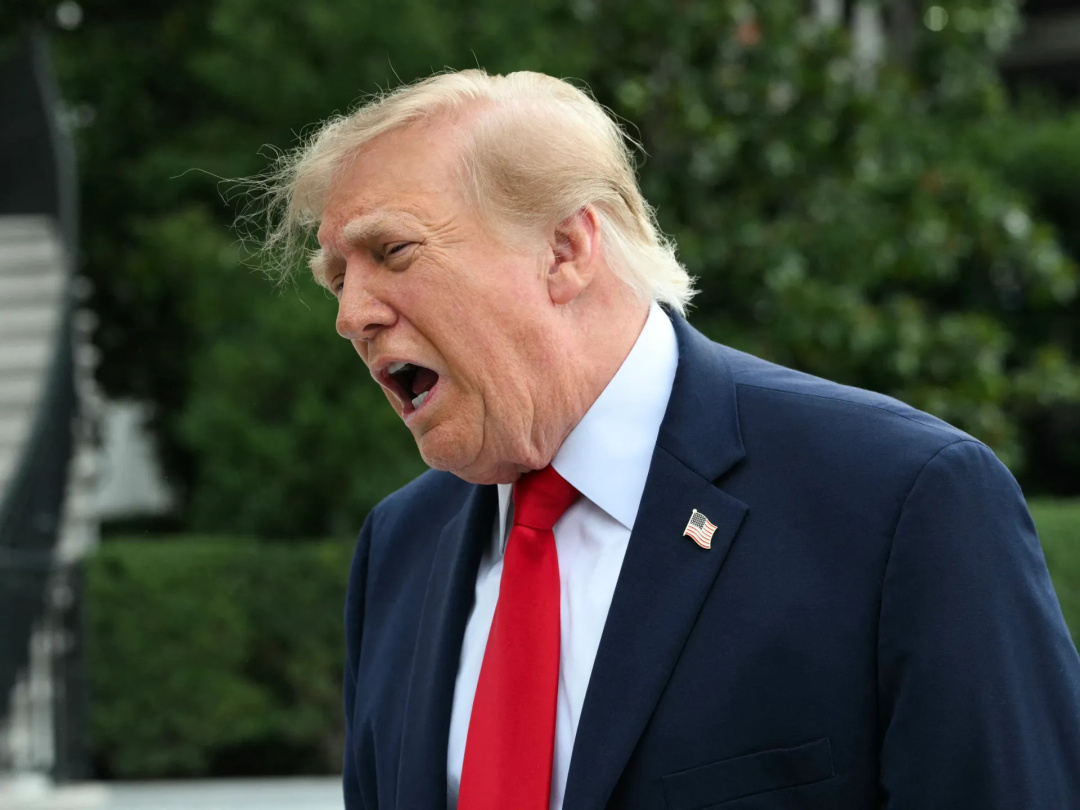
In a move that has raised eyebrows across the political spectrum, President Trump declared that the United States will not heed the growing calls for regulation of artificial intelligence. As he left the White House over the weekend, Trump told reporters that the nation will not be applying brakes to AI development, despite increasing concerns from lawmakers and tech leaders about the potential risks posed by this rapidly evolving technology.
Trump's remarks likened the fears surrounding AI to other issues he has dismissed in the past as "hoaxes"—notably, climate change and allegations of collusion with Russian operatives during the 2016 campaign. "When they wanna put on brakes, it’s just like everybody’s going to be dead. You’re all supposed to be dead now, because of global warming. It’s like Russia, Russia, Russia hoax. All of these different hoaxes," he commented. His cavalier attitude towards the implications of unchecked AI development reflects a broader ideological stance within his administration.
Still Beats Watergate:
Sponsor success. Continue reading:
The president's stance comes on the heels of his recent summit with Chinese President Xi Jinping, where expectations for a breakthrough agreement on AI regulation went unfulfilled. Instead, Trump maintained that the U.S. should not cooperate with China on AI technology, asserting, "I would rather not integrate, because we’re leading by a lot. When you’re leading, you don’t open it up to each other."
Critics have pointed to the wasted opportunity to establish meaningful dialogue on the potential dangers of AI. United Nations Secretary-General Antonio Guterres had previously warned that unchecked development, devoid of accountability, could have dire consequences for global safety. Yet, Trump's administration appears more focused on asserting dominance than addressing legitimate concerns.
Uncertainty in U.S.-China AI Relations
As the criticism swirls, the White House announced a vague agreement to create a "bilateral communication channel" for AI incidents with China. However, no specifics about this communication were provided, and Beijing has yet to comment on the announcement, raising questions about the substance of U.S.-China relations moving forward.
Applied to you
Trump's approach to AI regulation mirrors his broader governance style—a blend of dismissiveness toward expert advice and an emphasis on maintaining U.S. superiority. In fact, the president has even gone as far as to rebrand the terminology around AI, insisting that officials refer to it as "super intelligence" instead. This rebranding effort seems more about optics than substance, designed to bolster Trump's narrative of American technological leadership while sidelining genuine regulatory discourse.
The irony of rejecting safeguards for a technology as powerful and potentially dangerous as AI should not be lost on those who recall past instances where a lack of foresight led to disastrous consequences. As Trump continues to equate the urgent call for oversight with political maneuvering and hoaxes, the real question remains: how long can the U.S. afford to ignore the risks posed by its own technological advancements?