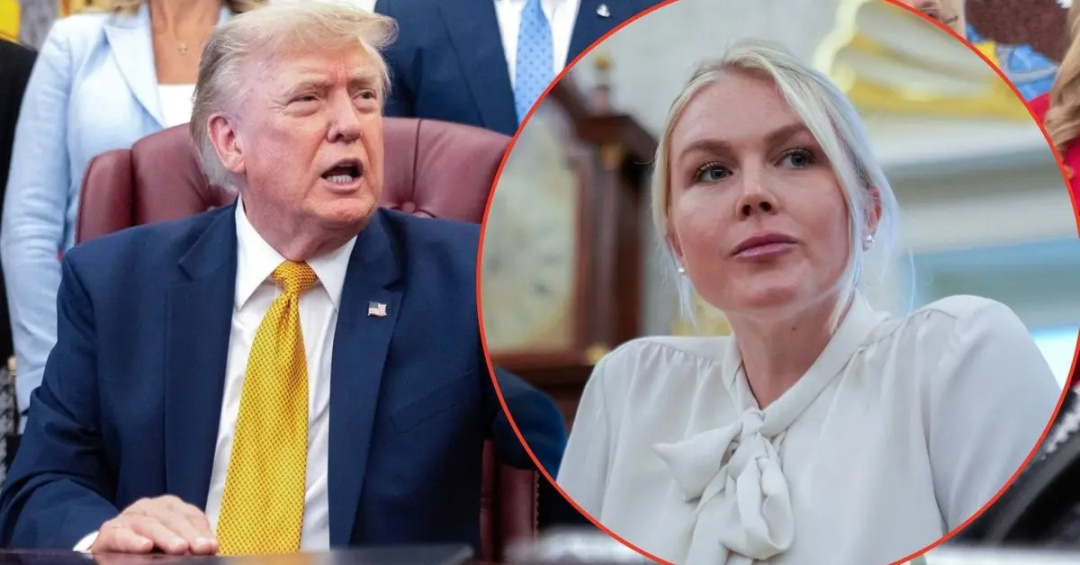
Trump's Backstage Meltdown: Leavitt Recalls the Roaring Chaos
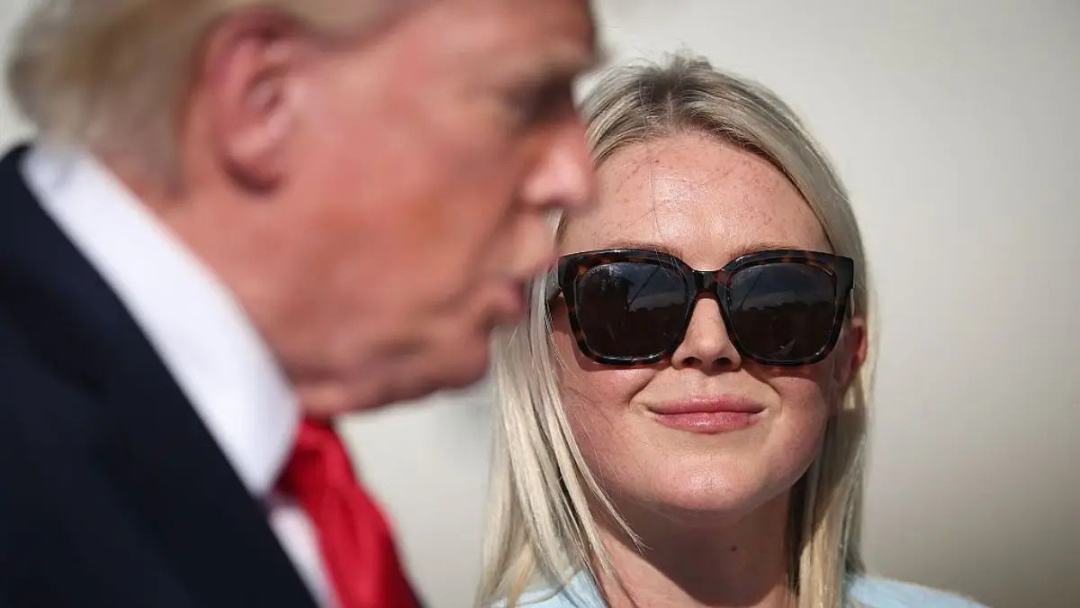
In a recent episode of Fox News’ "Hang Out with Sean Hannity," former press secretary Karoline Leavitt offered a gripping account of Donald Trump’s backstage behavior during the White House Correspondents’ Dinner, which was abruptly interrupted by gunfire. Leavitt describes Trump as a "caged lion," eager to return to the stage despite the chaos that ensued when shots rang out at the Washington Hilton on April 25. As he was whisked away by Secret Service agents to ensure his safety, Trump's demeanor reportedly was far from fearful; rather, he appeared energized and frustrated by the interruption to his evening.
Leavitt recounted how, even while being evacuated, Trump was insistent on getting back into the ballroom. "We gotta go back out there," he reportedly urged, while those around him expressed concern about the ongoing security threats. Aiming for continuity rather than retreat, Trump’s fervent desire to return was underscored by his comments reflecting a mix of bravado and determination.
Still Beats Watergate:
Sponsor success. Continue reading:
The scene painted by Leavitt encapsulates the absurdity of political theater—a president yearning to perform amidst a backdrop of genuine danger. This desire to re-engage with the audience, despite the warnings and precautions being taken, represents a chaotic blend of ego and urgency that characterizes much of Trump’s public persona.
As Leavitt explained the dynamics of that night, she highlighted a critical dialogue with Hannity, where the Fox host reminded Trump of the uncertain nature of the threat. "You don’t know if this is a lone gunman or a broader conspiracy," he warned, emphasizing the need for precaution over spectacle. However, Trump’s insistence reflects a larger theme in his presidency: the performance of normalcy and resilience in the face of adversity.
Press Briefings and Public Perception
The narrative doesn’t just end with Trump's backstage theatrics; it also raises questions about the role press briefings play in shaping public perception during crises. Leavitt's remarks, while anecdotal, provide a lens into the internal struggle between safety and the desire for the spotlight in a high-stakes environment. Despite Leavitt’s fervor to portray Trump in a strong light, social media reactions to her account suggest skepticism about the sincerity of his claims, with critics questioning whether he truly wanted to return to the chaos or if he was merely playing to the cameras.
Your takeaway
As the dust settled from that chaotic night, Trump ultimately opted to address the nation from the White House briefing room, a choice laden with its own implications about leadership and crisis management. Critics and supporters alike are left to decipher what truly transpired, with Leavitt’s account serving as both insight and entertainment in the ongoing spectacle of American political life.
In a world where the line between reality and performance blurs, Leavitt's retelling underscores the power struggle inherent in political narratives, reminding us that sometimes the most riveting stories unfold not just onstage, but in the wings, where chaos and character collide.