Melania Trump's Lucrative Side Hustle: A First Lady's Secret Income Stream
In the shadow of her husband’s persistent financial controversies, Melania Trump has quietly carved out her own niche in the lucrative world of White House side hustles. The First Lady’s business ventures, though less publicized than her husband’s, are raising eyebrows and questions about the propriety of her financial dealings while occupying a position of power.
While Donald Trump’s grifting remains front-page news, with his businesses landing government contracts at an alarming rate, Melania has found her path less lit but just as financially rewarding. The Philadelphia Inquirer recently described her cash flow as emblematic of "Trump’s shameless Art of the Steal," suggesting a consistent pattern of exploiting political power for personal gain.
Still Beats Watergate:
Sponsor success. Continue reading:
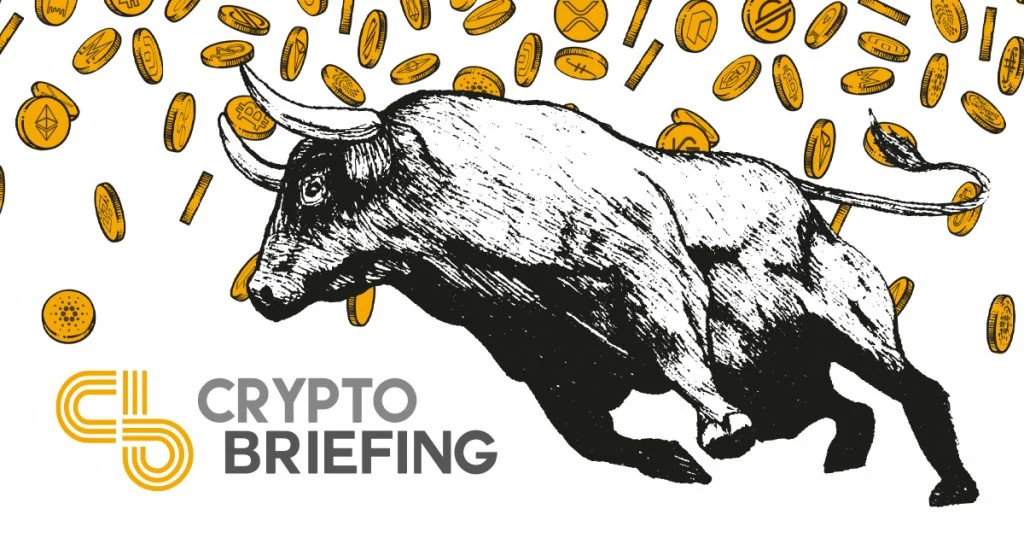
Her foray into the realm of cryptocurrency is particularly striking. Melania launched a memecoin, aptly named $MELANIA, which enjoyed a staggering market cap of around $1.7 billion before plummeting by a whopping 95%. This rapid decline came after investors had already poured approximately $100 million into the venture, only to leave them watching their money disappear faster than a White House press briefing.
A lawsuit has since accused the designers of Melania’s cryptocurrency of orchestrating a 'pump-and-dump' scheme, further complicating her already murky financial waters. Unlike her more prominently featured family members, who are knee-deep in foreign investments and government contracts, Melania seems to be focusing on her own brand with a side of media exploitation.
The First Lady’s media projects, such as her Amazon documentary, have reportedly netted her an estimated $40 million. Critics are questioning whether it is ethical for a First Lady to use her access to the presidency as material for a commercial project, especially one so directly tied to her public persona.
Beyond the glitz of media deals, the contrast between Melania and her family members like Jared Kushner and Ivanka Trump is stark. In their tenure, the duo reportedly amassed between $172 million and $640 million in outside income, all while supposedly serving the public. Now, as Kushner negotiates peace in the Middle East, he is simultaneously raising billions for his private equity fund, prompting U.S. Rep. Jamie Raskin to declare, "You cannot both be a diplomat and a financial pawn of the Saudi monarchy at the same time."
As the political landscape shifts, expect congressional committees to investigate these financial entanglements should Democrats reclaim control in the upcoming elections. The scrutiny will likely intensify as the blurred lines between public duty and private profit continue to unfold.
The Ethics of Profit in the Public Eye
As Melania Trump navigates her various business ventures, the ethical considerations of her activities are under increasing scrutiny. With the First Lady’s initiatives intertwining closely with her public role, the potential for conflicts of interest looms large, especially as reports of financial gains emerge at the same time that she promotes her media projects. Critics argue that the First Lady’s business pursuits should be held to a higher standard, given the unique privileges her position affords her.
In an era where governmental roles are being contextualized through the lens of personal profit, Melania’s quiet yet effective approach to monetizing her position raises significant concerns. Will the outcome of these ventures spark a debate on the appropriateness of profit from public service, or will they remain yet another entry in the ongoing saga of the Trump family’s notorious financial escapades?
Your takeaway
As voters prepare to head to the polls, these financial narratives may shape perceptions of the Trump family. With investigations looming, the question remains: how much longer can the Trumps navigate the murky waters of government and personal wealth without facing the consequences? The upcoming elections could very well serve as a litmus test for public sentiment regarding the intersection of political office and personal profit.