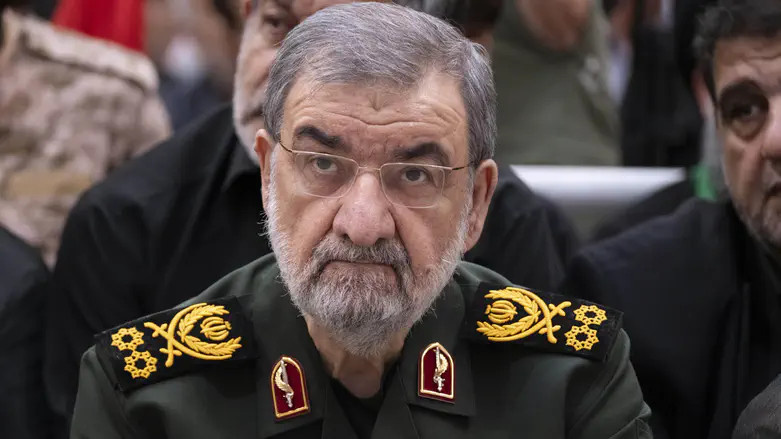
Trump Dismisses Iranian Offer for Hormuz Talks Amid Rising Tensions
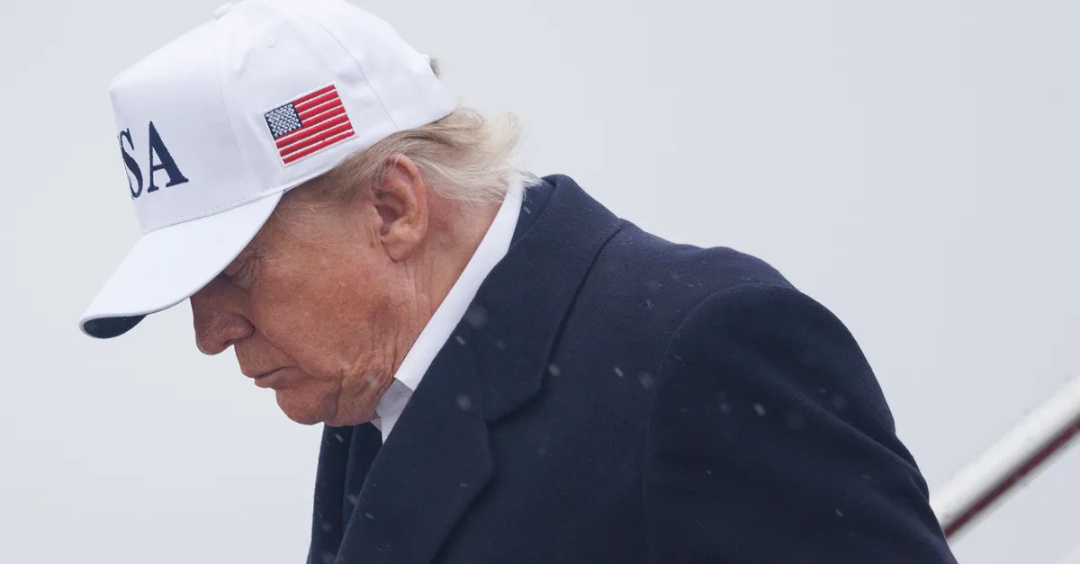
In a move that underscores the ever-persistent friction between the United States and Iran, President Donald Trump announced on Saturday that he has outright rejected an Iranian proposal aimed at reopening the strategically critical Strait of Hormuz and putting an end to the ongoing conflict in the Middle East. This proposal was reportedly relayed to U.S. officials by Qatari mediators during the UN General Assembly in New York.
The Iranian offer suggested that if the U.S. agreed, the seven-day countdown to reopening the Strait would begin, potentially leading to broader discussions about various contentious issues, including Iran's nuclear program. However, Trump was unyielding in his dismissal, asserting to reporters at the White House, "I reject their proposal. I rejected their deal" and suggesting that Iran is desperate due to their economic struggles exacerbated by U.S. sanctions.
Still Beats Watergate:
Sponsor success. Continue reading:
As discussions continue to unfold, it's evident that Trump views the proposal as an indication of Iran's weakened position. "They want to make a deal to open the Hormuz Strait immediately because they’re losing so badly," he remarked, before jetting off to Tennessee for a rally. This rally marks the ongoing campaign efforts as the midterm elections approach, where Trump has been keen to rally support for Republican candidates.
The Wall Street Journal reported that Trump remained skeptical about whether Iran would follow through on any agreement, hinting that military engagement could resurface after the November elections. This sentiment reflects a recurring theme in Trump's approach to foreign policy, where he often oscillates between diplomacy and aggressive military posturing.
Meanwhile, Iranian officials have expressed a readiness for dialogue, with Foreign Minister Abbas Araqchi noting that the proposal was only valid if the U.S. demonstrated seriousness in negotiations. However, tensions persist as Iran maintains that it will not yield on issues like its nuclear enrichment rights.
The High Stakes of Diplomatic Maneuvering
The stakes of this diplomatic chess game are high, with both parties engaged in a precarious balancing act that could have far-reaching implications not just for their bilateral relations but for global oil markets as well. As Iran continues to retaliate against U.S. interests through proxy actions in the region, the possibility of a wider conflict remains a grim prospect.
The Challenge of Negotiation
As the dust settles from this latest diplomatic exchange, one must wonder about the viability of continued dialogue amid such stark differences. While both sides have expressed a willingness to negotiate, the gap between their positions remains vast. The U.S. insists on stringent measures regarding Iran’s nuclear ambitions, while Iran stands firm on its right to enrich uranium.
The complexities of U.S.-Iran relations have been exacerbated by the Trump administration's hardline stance, which appears to have hardened Iranian resolve rather than softened it. Observers of the international scene are left to ponder: will a diplomatic solution be possible, or are we destined to witness the unraveling of further conflicts in the region?
Applied to you
As we watch this geopolitical drama unfold, it's crucial to recognize the long-term implications of Trump's rejection of the Hormuz proposal. His steadfast refusal to engage with Iran may strengthen hardliners within Tehran, further complicating any hope for resolution. With the global economy hanging in the balance due to fluctuating oil prices and ongoing hostilities, the world waits with bated breath to see what comes next in this high-stakes game of chess.
The unfortunate reality is that with each dismissal of diplomatic overtures, we edge closer to the possibility of escalated military actions, leaving the door open for a confrontation that could have dire consequences both regionally and globally.