Xi Jinping and America's Tech Titans: A State Dinner for the Ages
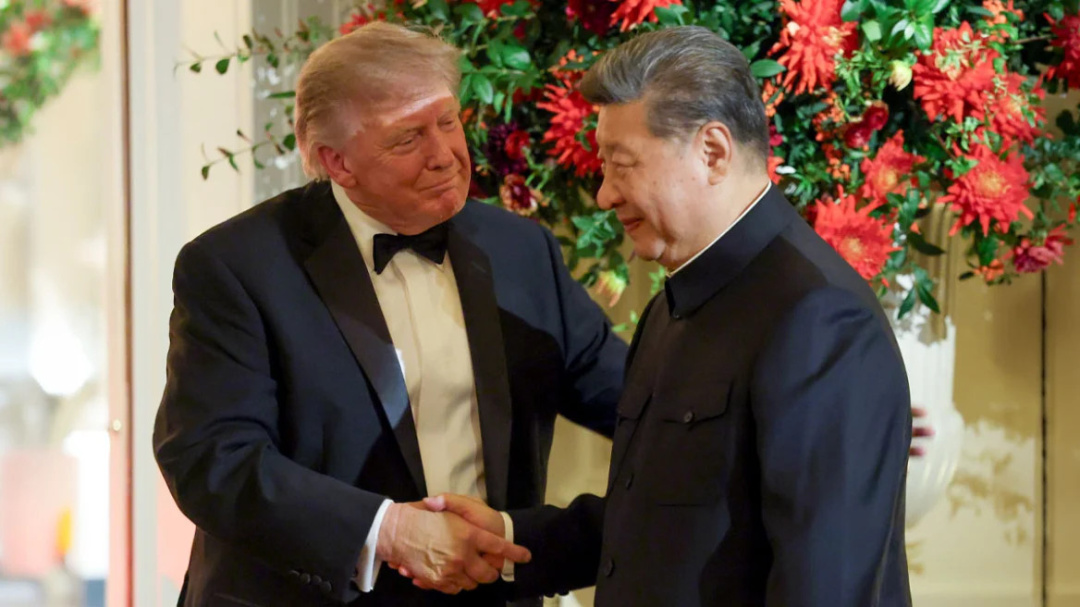
In a scene reminiscent of a geopolitical gala, President Donald Trump hosted a state dinner at the White House in honor of Chinese President Xi Jinping. This extravagant affair gathered the titans of America’s tech industry, turning the East Room into a convergence zone for global business might while the two superpowers engage in a high-stakes duel over artificial intelligence and microchips.
Among the luminaries present were Nvidia's Jensen Huang, Apple's Tim Cook, and Tesla's Elon Musk, all occupying positions of power in an industry that is at the forefront of the AI arms race. Each guest represented not just a company but a narrative of American innovation battling against China’s rapidly encroaching tech ambitions. The irony of such a gathering was palpable; here they were, America’s brightest, dining under the same roof as the leader of a nation portrayed as a competitor, if not a rival, in technological supremacy.
Still Beats Watergate:
Sponsor success. Continue reading:
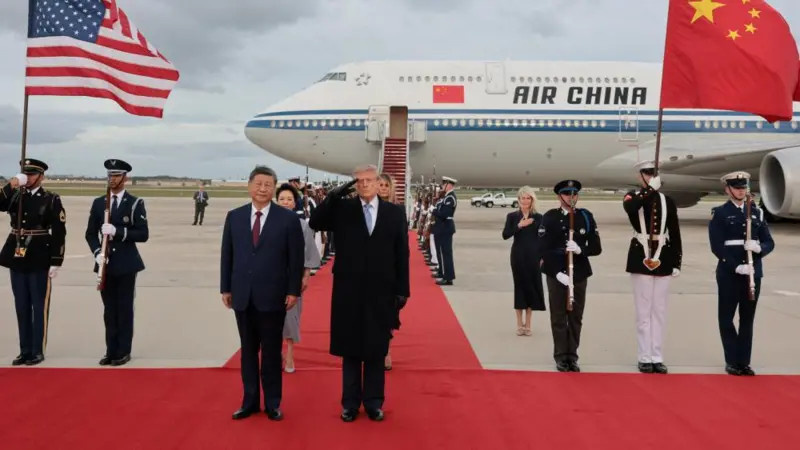
The sumptuous event took place during Xi's three-day visit, his first to the United States in over a decade, marking a curious intersection of diplomacy and corporate power. As the two leaders toasted to amicable relations, the undercurrents of trade tension loomed large. The extension of their fragile trade truce—only two months—left industry leaders in a familiar dance of uncertainty, pondering tariffs and trade balances despite the festive atmosphere.
A Toast to New Alliances
As the evening unfolded, discussions about Taiwan and AI highlighted the complexities of U.S.-China relations. Xi’s insistence on a prudent handling of Taiwanese independence was a reminder of the geopolitical stakes at play. Meanwhile, Trump, perhaps unwittingly, found common ground in the shared history of their nations, reminding everyone of the times when cooperation trumped competition. However, as the conversation drifted toward the burgeoning AI sector, it was clear that both parties were eyeing for supremacy in a technology race that could redefine global power dynamics.
The dinner’s meticulously crafted menu blended American flavors with subtle Chinese influences, a metaphor for the diplomatic balancing act the two nations are attempting. From the yellow squash velouté to the sesame-crusted sea bass, it was all meant to appease, even as the rhetoric around AI development simmered. Trump’s enthusiasm for swift AI innovation contrasts sharply with China’s strategy of state-sponsored technological advancement, setting the stage for a future where who controls the algorithms could shape international relations.
Despite the cordial setting, the absence of high-ranking Chinese business leaders at the dinner underscored the political nature of Xi’s visit. A display of political elitism versus American corporate prowess, the event showcased a stark dichotomy; Washington paraded its tech giants while Beijing opted for a more reserved delegation. This symbolic divergence only magnified the competitive spirit lurking behind the lavish façade.
As the night concluded with gifts exchanged—Trump presenting a statue of a bald eagle to Xi, while the Chinese leader reciprocated with rose seeds—one could not help but wonder about the future of U.S.-China relations. Behind the glamorous dinner spectacle lay a crucial negotiation over AI regulations and trade policies, where the stakes extend beyond mere economics into the realms of global security and innovation.
Your Takeaway
The evening encapsulated the paradox of modern diplomacy; faces of technological prowess mingled while ideological divides persisted. As the world watches, the true test will be whether this gathering of minds results in collaboration or continued rivalry. With the clock ticking on the extended trade truce, both nations face the challenge of navigating their intertwined futures amid competing interests and mutual dependencies. The White House dinner, while a moment of celebration, also marks a pivotal juncture in the ongoing saga of U.S.-China relations, reminding us that in the world of international politics, the menu may change, but the main course remains the same: technological supremacy.