Trump Administration's Bold Steps Backward on School Racial Equity
The Trump administration has undertaken significant changes to the enforcement of civil rights in American schools, effectively rolling back decades of progress in addressing systemic racism. The administration's new policies reflect a stark shift in how educational institutions can respond to discrimination, moving away from a framework that acknowledges the potential for unintentional bias.
For generations, the prevailing understanding was that discrimination could exist even in the absence of overt racial bias in school policies. This recognition led to federal guidelines that required educational institutions receiving federal funds to address practices that might disproportionately harm students of color. However, under President Trump, that principle is increasingly being sidelined.
Still Beats Watergate:
Sponsor success. Continue reading:
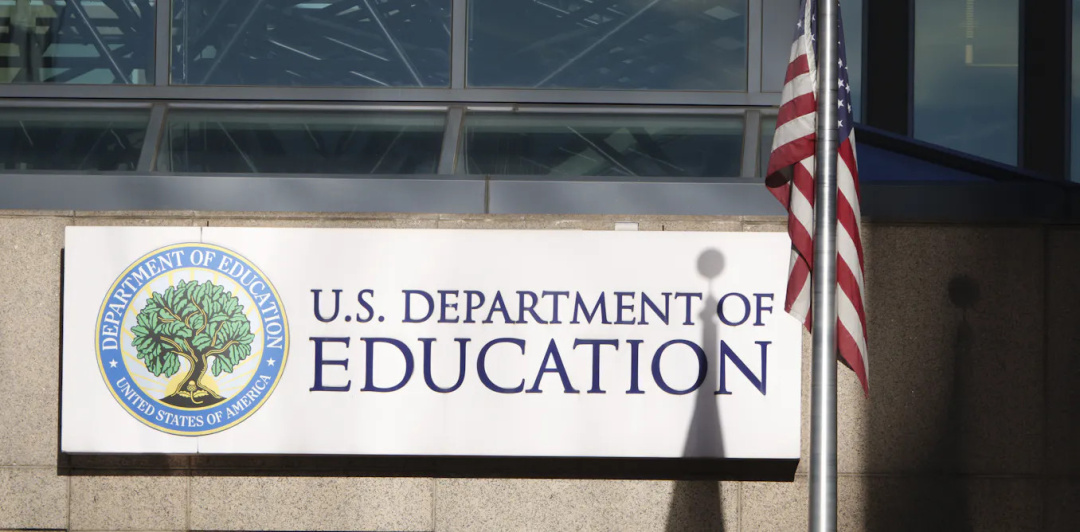
This summer, the Department of Education rescinded a key regulation that allowed schools to use comparative racial data to identify possible discrimination. In a scathing pivot, the administration also emphasized that any consideration of race in disciplinary policies is illegal, regardless of the outcomes that might disproportionately affect one racial group over another. This approach has sparked concern among educators and civil rights advocates who fear it will embolden schools to ignore racial disparities in disciplinary actions.
The Justice Department's withdrawal from numerous school desegregation cases has further alarmed civil rights proponents. Since Trump took office, the department has managed to close over 50 desegregation cases, claiming that such longstanding federal oversight is no longer necessary. Critics argue that this move not only undermines progress made in integrating schools but also opens the door for schools to revert to discriminatory practices without accountability.
This latest guidance has been met with fierce opposition from civil rights activists who argue that it risks perpetuating racial inequities. U.S. Rep. Bobby Scott expressed concern that the administration's rhetoric of returning authority to states mirrors a regressive approach to education, reminiscent of pre-1954 segregation.
Consequences of Eroding Accountability Standards
The administration’s directive does not just stop at lowering the bar for accountability; it actively discourages the examination of racial disparities, labeling such analysis as discriminatory. Critics warn that this could fundamentally reshape how schools discipline students, with an emphasis on maintaining a facade of neutrality rather than addressing the underlying issues of racial bias.
As the administration continues to dismantle protections against systemic racial injustices, the implications for students of color could be profound. Historical patterns demonstrate that students of color, particularly Black students, face harsher disciplinary measures than their white peers for similar infractions. The rollback of oversight mechanisms designed to address these inequities may exacerbate existing disparities in educational outcomes.
This emerging reality raises troubling questions about the future of civil rights enforcement in education. Advocates fear that the actions taken by the Trump administration will leave a lasting mark, restricting the ability of future administrations to rectify these setbacks. The infrastructure being created now may act as a barricade against efforts to restore robust protections for students facing discrimination in educational settings.
Rethinking the Future of Racial Equity in Education
With this retreat from established civil rights protections, there is a growing sense that schools may be left to their own devices, potentially leading to a resurgence of discriminatory practices under the guise of state autonomy. The Trump administration’s policies send a clear signal that acknowledging and addressing disparate impacts will not only be devalued but could also be penalized.
As educators, policymakers, and advocates grapple with these developments, the struggle for racial equity in schools is far from over. The changes implemented under Trump may force a re-evaluation of strategies to advocate for marginalized students, as many are left wondering how to combat the erosion of protections that have been a cornerstone of civil rights in education for decades. The fight for equity will necessitate renewed efforts and innovative approaches to ensure that all students have access to a fair and just educational environment.