Iran's President Pezeshkian Declines Trump Meeting Amid Trust Issues
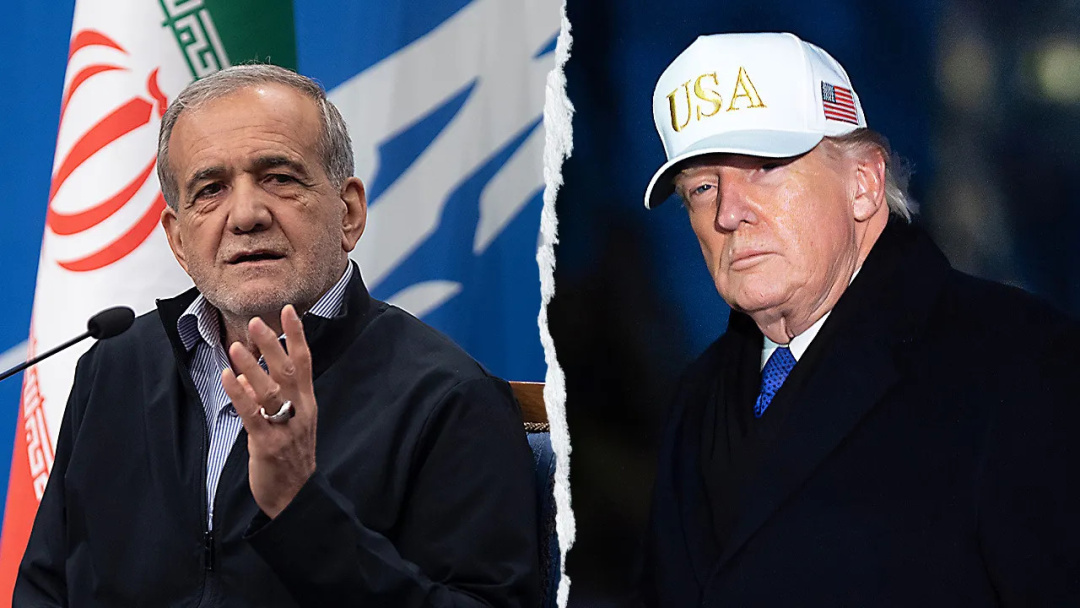
In a notable reflection of the current geopolitical climate, Masoud Pezeshkian, President of Iran, has publicly stated his refusal to meet with former U.S. President Donald Trump until there is a foundation of mutual trust between Tehran and Washington. This declaration, made during an interview with CBS, is not just a diplomatic snub; it’s a blatant signal that the iceberg of U.S.-Iran relations is not melting anytime soon. In fact, it appears to be solidifying, and who wouldn't be skeptical given the frosty history?
Pezeshkian’s comments come at a critical juncture, as they are set against the backdrop of ongoing tensions between the two nations, which have long been marred by mutual suspicion and a series of political maneuvers that resemble a diplomatic game of chess—except both players seem to have lost the pieces. His remarks follow controversial statements regarding the Iranian government's handling of internal protests, which have amplified scrutiny on his political standing back home.
Still Beats Watergate:
Sponsor success. Continue reading:
The President’s steadfast refusal to engage with Trump might seem like self-preservation, but observers are quick to note that his leadership is not just at stake in the eyes of the Americans. With voices from the Iranian power structure, including Ayatollah Ali Khamenei and the IRGC leadership, weighing in on such matters, Pezeshkian walks a tightrope. Any indication of dissent from these key figures could spell trouble for his administration.
What might the next chapter hold as international sanctions loom and the political landscape shifts? Market participants will be watching developments closely, not just for Pezeshkian's political future, but also for any potential shifts in how Iran might navigate its complex relationship with the U.S. Increased international pressure could lead to a recalibration of strategies, not just for Iran but for the U.S. as well.
It’s essential to keep an eye on whether Pezeshkian's refusal to engage with Trump will embolden hardliners or provide an opportunity for reformists within Iran. As information comes out, the interplay between his leadership reaffirmation and public sentiment will be pivotal. One thing is clear: when it comes to U.S.-Iran relations, the stakes are high, and the games are far from over.
The Role of Trust in Diplomacy
Understanding the roots of distrust between these nations might require a deep dive into decades of tangled political narratives. However, one doesn't need a PhD in International Relations to see that the lack of a defined diplomatic framework is causing both parties to miss potential opportunities for dialogue. With each refusal to meet, each sharp statement made across the aisle, the chances for constructive engagement seem to dwindle, leaving the world to wonder whether cooler heads will ever prevail or if this trend is destined to repeat itself.
In the shadows of these high-stakes refusals, Pezeshkian's political fate hangs in the balance, as the narrative of mistrust continues to unfold.
Your takeaway
As political dynamics evolve and international relations grow even more complex, the implications of Pezeshkian’s statements extend beyond mere headlines. They resonate with an audience eager for signs of diplomacy—or lack thereof. In the end, whether this refusal leads to a new chapter in U.S.-Iran relations or simply perpetuates existing tensions remains to be seen, but one thing is certain: the political theater surrounding these interactions will continue to capture global attention.