Trump Takes Flight Without CNN: A Bold New Media Policy
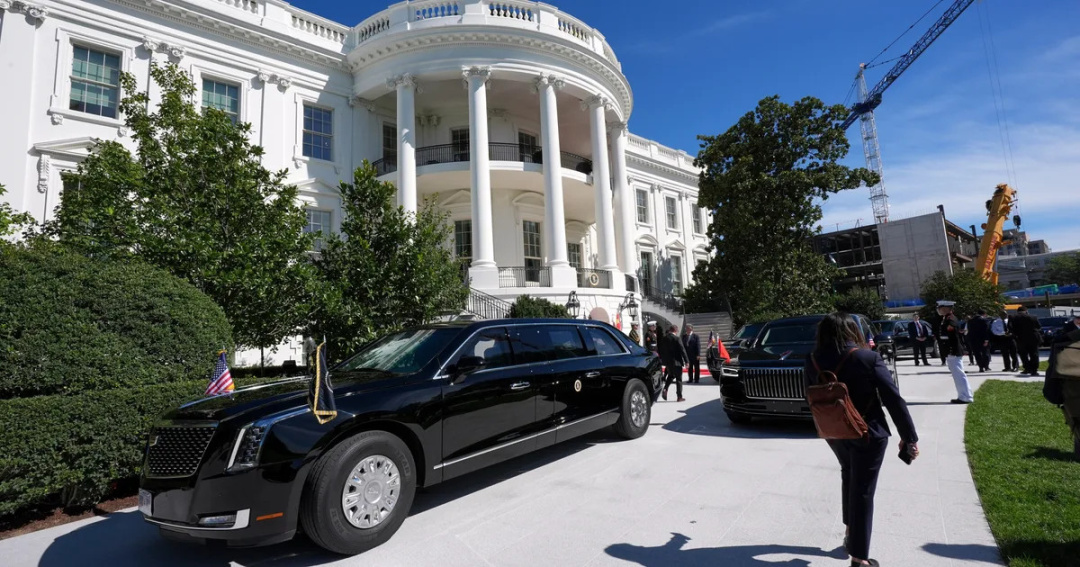
In a dramatic twist worthy of a political thriller, the White House has decided to leave CNN off Air Force One for President Trump's upcoming trip to Knoxville, Tennessee. This media exclusion is not just a casual oversight; it represents the latest in a series of media restrictions that have become a hallmark of this administration. As Trump prepares to attend a college football game between the University of Tennessee and the University of Texas, the choice to bring along Real America’s Voice News—an outlet more aligned with Trump's views—has raised eyebrows and ignited debates about press freedom.
This decision follows a tumultuous period where CNN found itself in hot water with the White House. Just days prior, journalists from CNN, MS NOW, and Politico had returned to the executive complex after a judge struck down an earlier ban, signaling a slight victory for press rights. However, the White House's latest maneuver suggests that the administration's contentious relationship with certain news outlets remains very much alive. U.S. District Judge Timothy Kelly's ruling had only addressed 'hard passes' for White House grounds and didn’t cover Air Force One, leaving a gap that the administration has keenly exploited.
Still Beats Watergate:
Sponsor success. Continue reading:
During a recent appearance on Jake Tapper's show, Theodore Boutrous Jr., representing the banned news outlets, indicated that the plaintiffs believed the court's ruling might extend to pool access. However, the White House has so far chosen not to clarify its stance on such interpretations, leaving many to speculate about the future of press access.
Just hours before this decision, CNN viewers were treated to a rare sight—Trump and Chinese President Xi Jinping touring the National Archives, but without the presence of CNN's cameras. The irony wasn’t lost on viewers, as the administration's attempts to limit coverage have led to an unintended blackout of its own public appearances. As the conflict escalates, the White House press pool, a decades-old institution meant to ensure a rotating roster of journalists covers presidential events, is facing unprecedented challenges.
The exclusion of CNN from this trip isn’t merely an administrative detail; it’s emblematic of a broader strategy employed by Trump throughout his presidency—targeting media outlets that dare to deviate from his narrative. Recall the earlier banishment of AP reporters over a naming dispute regarding the Gulf of Mexico. Such hostility towards the press raises critical questions about accountability in governance and the role of media in a democracy.
The implications of this media maneuver are profound. As CNN finds itself sidelined, one can't help but wonder what message this sends about the administration's commitment to transparency and press freedom. But fear not, the media landscape is resilient. Other outlets will continue to push for access and strive to hold the administration accountable, even if they have to do so without the benefit of traveling on Air Force One.
A New Era of Media Relations
As this saga unfolds, it is clear that we are entering a new era of media relations within the White House. The refusal to allow certain outlets access raises questions about the future of political reporting and democratic accountability. Will journalists be forced to navigate an increasingly restricted landscape? Or will the pressure from the public and fellow media organizations compel the administration to rethink its approach?
In our current climate, the stakes of media access have never been higher. Journalists serve not only as reporters but also as watchdogs of democracy. Their ability to cover the president and his administration is fundamental to ensuring transparency and accountability. As the White House continues to engage in a game of musical chairs with the press, the American public must remain vigilant and demand that their right to information is preserved, irrespective of the administration's preferences.
Your Takeaway
For those watching, the exclusion of CNN from Air Force One serves as a stark reminder of the ongoing battle over press access in the Trump era. As media dynamics continue to shift, it is essential to reflect on what this means for the relationship between the government and the press, and ultimately, for the public's right to know. Will this administration prioritize transparency, or will it continue to play favorites in the arena of journalism? Only time will tell, but one thing is for sure—the game is far from over.