White House Defies Judge's Order, Press Credentials Remain Revoked
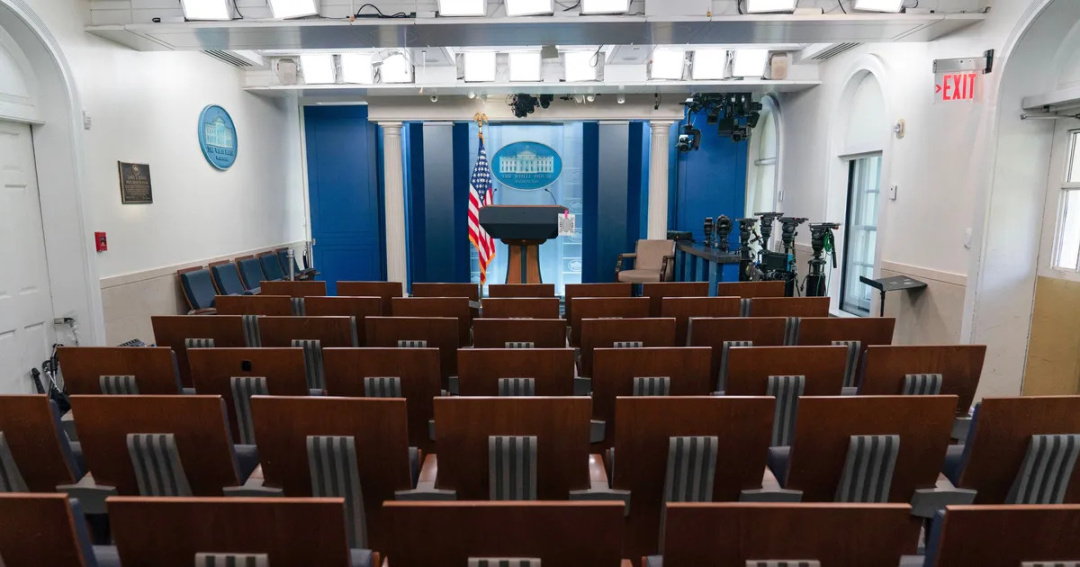
In an unsettling display of defiance, the White House barred journalists from CNN, MS NOW, and Politico from entry on Thursday, mere hours after U.S. District Judge Tim Kelly issued a ruling deeming their exclusion likely unconstitutional. The judge's order, which was a smackdown for the Trump administration, came as part of a legal challenge against the president's controversial ban on these news outlets. The decision has become emblematic of a broader struggle over media access and press freedoms in the Trump era.
Judge Kelly, who was appointed by Trump in 2017, declared that the revocation of the journalists' press credentials likely violated their constitutional due process rights. While the ruling should have resulted in immediate reinstatement of access, confusion or intentional defiance prevented the journalists from entering the White House. The White House has remained silent on the issue, leaving many to speculate whether this was a case of miscommunication or a blatant disregard for judicial authority.
Still Beats Watergate:
Sponsor success. Continue reading:
The backdrop to this judicial confrontation is one of escalating tensions between the Trump administration and the press. Trump has long criticized major media outlets, framing their coverage as a threat to national security. His ban, announced via social media, claimed that these outlets perpetuate “fiction and lies” that undermine his presidency. This rhetoric has not only fostered a hostile media environment but has also galvanized press freedom advocates to push back against what they view as an alarming trend toward censorship.
Following Judge Kelly's ruling, which allowed for a 14-day halt to the ban while the legal battle unfolds, representatives from the three embattled outlets requested an immediate hearing. Their lawsuit, filed earlier in the week, argues that the ban infringes upon First Amendment protections. Joining forces with a coalition of press freedom organizations, the news outlets seek to reaffirm the essential role of a free and independent press in a democratic society.
As the legal drama unfolded, other members of the White House press pool stood in solidarity with their barred colleagues, refusing to record or disseminate presidential events until access is fully restored. This collective action echoes a growing recognition among journalists of the need to protect their rights and the integrity of journalistic work against governmental overreach.
The Constitutional Implications of Access Denial
Judge Kelly's comments during the ruling cast doubt on the administration’s national security arguments, suggesting a lack of substantial evidence to support their claims that the exclusion of these journalists would protect the nation. Instead, he emphasized that the move likely infringed upon fundamental due process rights. As the lawsuit proceeds, the ramifications of this ruling could extend far beyond these specific journalists, potentially setting a precedent for future press freedoms under this administration.
This incident reflects a pattern of unprecedented hostility toward the media by the Trump White House, which has historically challenged the traditional norms of press relations. As the president continues to wage war on what he deems “fake news,” the legal challenges faced by these news organizations symbolize a critical moment in the fight for journalistic integrity and access. With the very foundation of free press at stake, the outcome of this legal tussle will resonate deeply within the corridors of power and the world of journalism alike.
Your Takeaway
As the dust settles from this latest round of conflict between the White House and the press, one thing becomes clear: the ongoing struggle for access and transparency is far from over. If anything, it highlights the importance of vigilance when it comes to protecting press freedoms. The stakes have never been higher, and the implications of this legal battle may set critical precedents for how future administrations engage with the media. In an era where misinformation can thrive unchecked, safeguarding the rights of journalists to report freely is paramount for the health of democracy itself.