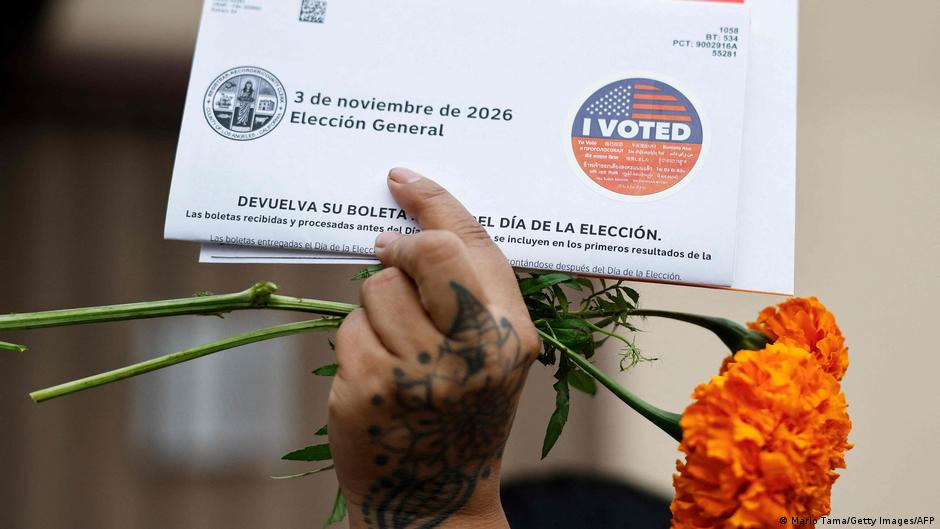
Supreme Court Blesses Trump's Controversial Plan to Verify Voter Citizenship
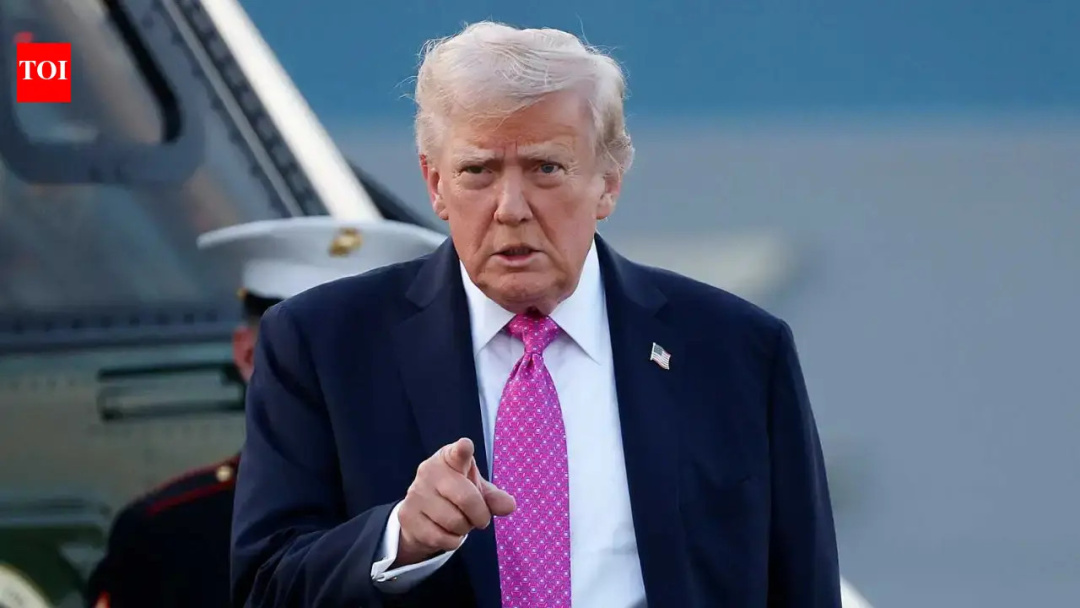
The Supreme Court has thrown its weight behind President Trump’s controversial initiative to check the citizenship status of voters, allowing the administration to tap into a federal database known for its questionable reliability. This decision, which could reshape the electoral landscape going into the midterm elections, marks yet another chapter in Trump's ongoing saga of attempting to inject federal oversight into election procedures.
The ruling effectively lifts previous restrictions on the use of the Systematic Alien Verification for Entitlements (SAVE) program, which was originally designed to confirm the citizenship status of applicants for public benefits. Critics have long raised alarms that this database could erroneously flag U.S. citizens as non-citizens, potentially leading to wrongful exclusions from voter rolls. The Supreme Court’s conservative majority appears unfazed by these concerns, prioritizing the administration's objectives over the potential disenfranchisement of lawful voters.
Still Beats Watergate:
Sponsor success. Continue reading:
In a twist of irony, while the court allowed the database’s use, it simultaneously placed limits on the Trump administration’s ability to conduct widespread voter roll purges in the weeks directly preceding elections. This restriction serves as a small buffer against the potential fallout of erroneous citizenship checks, as the court recognized the dangers of precipitating chaos in the voter registration process close to such pivotal elections.
Dissenting opinions from the three liberal justices echoed the fears of voting rights advocates, who worry that this ruling could lead to a surge in unlawful targeting of eligible voters. Justice Ketanji Brown Jackson articulated the looming risk, asserting that the harm inflicted on rightful voters far outweighs any perceived government benefit from implementing such a questionable verification process. The message is clear: the fight over who gets to vote continues to be a defining issue in American politics.
Critics of the SAVE program argue that its implementation has led to severe repercussions for communities of color and other marginalized groups, already vulnerable to voting challenges. For instance, past data indicated that a notable percentage of individuals wrongly identified as non-citizens were, in fact, U.S. citizens. With the Supreme Court’s green light, states may now further entrench these discriminatory practices, intensifying the ongoing battle over voting rights in the United States.
The Ongoing Debate Over Election Integrity
As this ruling unfolds, it dovetails with the Trump administration’s broader campaign to tighten control over electoral processes, from advocating for more stringent voter ID laws to attempting to limit mail-in voting. With midterm elections on the horizon, this latest judicial decision raises critical questions about the future of American democracy and the lengths to which the federal government will go to reshape electoral integrity.
Voting rights organizations have expressed profound disappointment with the Supreme Court's decision, warning that it paves the way for a new era of voter suppression. The League of Women Voters, a key player in the legal opposition, has vowed to combat this ruling through legal avenues, standing firm in their commitment to protect the sanctity of every American's right to vote.
Your takeaway
As the nation gears up for another electoral showdown, the implications of this Supreme Court ruling are likely to reverberate far beyond the immediate context of the midterm elections. It serves as a stark reminder of the ongoing struggle between safeguarding voter rights and the political machinations that seek to undermine them. With the administration now armed with controversial tools to verify voter eligibility, the fight for equitable access to the ballot box remains more vital than ever.