Supreme Court Clears Path for Trump's Voter Database to Potentially Disenfranchise Citizens
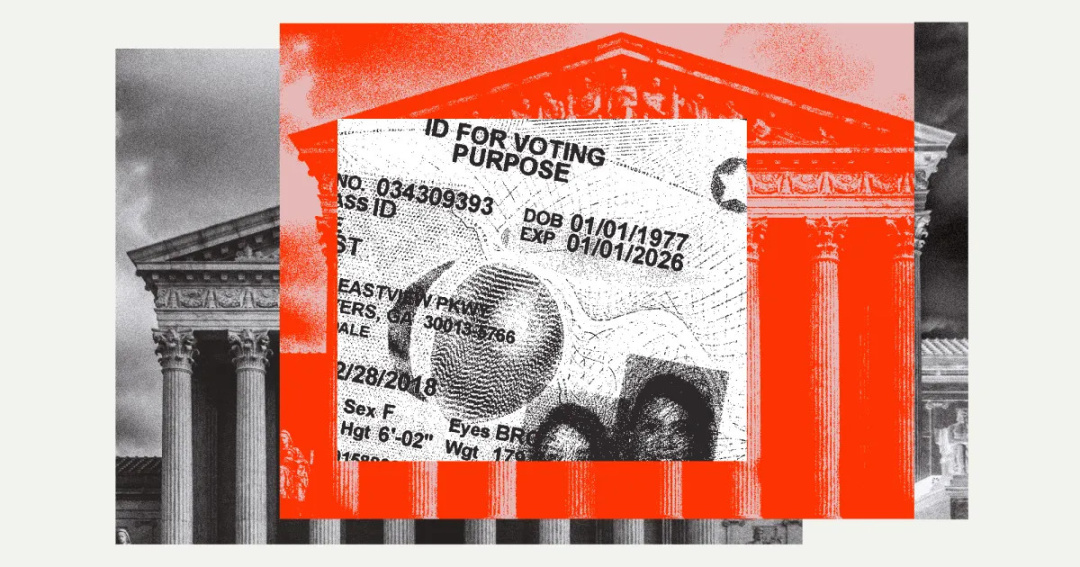
In a moment that could reshape the electoral landscape, the Supreme Court has paved the way for the Trump administration to deploy a controversial government database in its relentless pursuit of alleged voter fraud. This decision, which effectively reinstates the use of the Systematic Alien Verification for Entitlements (SAVE) program, has sparked fears that countless eligible voters might find themselves wrongfully tagged as noncitizens. The implications are particularly unsettling heading into an election year, as the potential for confusion and chaos looms.
The court's conservative justices argued that the federal initiative was essential for ensuring the integrity of upcoming elections. They contended that blocking the administration's access to the database would impede its efforts to assist state and local agencies with voter eligibility verification. However, dissenting voices, particularly Justice Ketanji Brown Jackson, warned that the court's majority had overlooked a crucial consideration: the risk of disenfranchising even a handful of lawful voters significantly outweighs the government's purported need for expanded verification powers.
Still Beats Watergate:
Sponsor success. Continue reading:
The SAVE database, originally intended for confirming the citizenship status of individuals applying for government benefits, has undergone a troubling metamorphosis under the Trump administration. Past efforts to expand its capabilities have resulted in a surge of false positives, where eligible voters—especially those who are naturalized citizens or recently married—are misidentified as noncitizens. This troubling trend poses a dire threat to voter registration rolls, as evidenced by recent incidents in states like Missouri and Texas where election officials reported alarming levels of inaccuracies when utilizing the database.
Missouri's Secretary of State, Denny Hoskins, faced an embarrassing revelation when a post-usage audit revealed that a staggering 35 percent of flagged individuals were, in fact, naturalized citizens. Such statistics raise concerns about the validity of the entire voter verification process, as communities grapple with the fallout of bureaucratic misfires.
The sweeping powers granted to the administration through the SAVE database raise pressing questions about the safeguarding of electoral rights. Critics argue that the initiative is less about maintaining the integrity of elections and more about reinforcing unfounded claims of widespread voter fraud—claims that have been thoroughly debunked in numerous studies. The administration's push for stringent verification methods may bolster a narrative of insecurity while simultaneously disenfranchising legitimate voters, a paradox that highlights the urgent need for comprehensive electoral reform.
Navigating the Fallout of Faulty Data
As the Trump administration braces for the upcoming midterms, its reliance on the SAVE database symbolizes a growing trend of utilizing administrative power to shape electoral outcomes. Critics have raised alarms over the potential for voter suppression, particularly among marginalized communities that are already vulnerable to systemic disenfranchisement. The risks associated with the widespread use of a database notorious for its inaccuracies are particularly daunting, especially when combined with the administration's aggressive tactics.
Justice Jackson's dissent lays bare the potential repercussions of this ruling, underscoring the need for accountability in the administration's push for voter verification. If the flawed SAVE program is allowed to proliferate unchecked, the ramifications could extend far beyond mere administrative errors, plunging the electoral process into a realm of uncertainty where the rights of American citizens hang in the balance.
As the dust settles on this critical Supreme Court decision, the eyes of a wary public remain focused on the upcoming elections. With the specter of voter disenfranchisement looming large, it remains to be seen how states will navigate the treacherous waters of voter verification while safeguarding the democratic rights of their citizens. While the administration may tout the expanded SAVE program as a necessary tool for ensuring electoral integrity, the reality is that it could serve as a weapon of disenfranchisement.
Your Takeaway
For now, the Supreme Court's ruling may have minimal short-term effects on the voter rolls leading into the 2026 elections, but the decision illustrates a troubling trend in U.S. electoral politics. As states grapple with the implications of this expansive database, voters must remain vigilant against erosion of their rights. The risks are palpable, and the stakes could not be higher as the administration leans on questionable tools to bolster its claims of electoral fraud.