White House Launches New Military Strategy: The Art of the Strike
In a stunning turn of events, the White House has announced a new military strategy that can only be described as a mix of bravado, theatricality, and confusion. Following a recent escalation in hostilities with Iran, officials have implemented a dazzling new approach: airstrikes and a promise of diplomacy that is as firm as a wet noodle. It appears the administration has decided to take a page from reality TV, presenting the military action as an epic season finale that viewers won't want to miss.
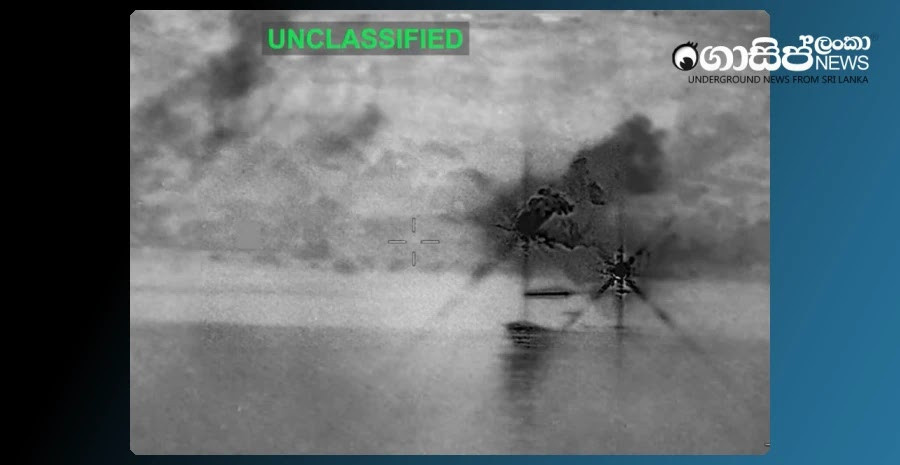
A high-ranking official, speaking on the condition of anonymity because they were clearly not authorized to comment, described the airstrikes as "very precise" and "strategically brilliant". This is, of course, in stark contrast to the less-than-precise targeting that has characterized many previous military actions, which were often followed by the phrase "Oops, our bad!". The strikes targeted over 80 locations in Iran, including air defense systems and coastal radar stations, because nothing says diplomatic outreach like a good old-fashioned bombing campaign.
Still Beats Watergate:
Sponsor success. Continue reading:
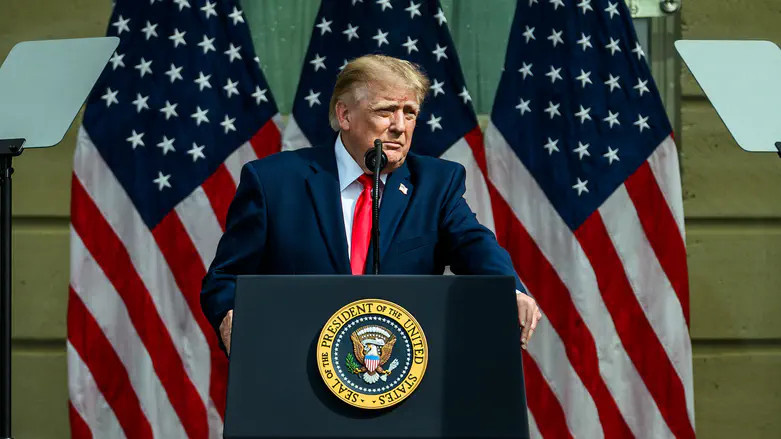
Meanwhile, President Trump, channeling his inner game show host, has hinted at potential future actions while assuring the nation that he hopes for a swift resolution. The administration is reportedly working overtime crafting the perfect tweet to announce these developments, with options ranging from "Make War Great Again" to "The Art of the Deal: War Edition". Each option promises to keep the American public guessing about the next plot twist.
As tensions rise, the Iranian Revolutionary Guard has responded with missile and drone strikes on U.S. military bases in the region. Officials have described these retaliatory actions as "unfriendly" and "not on the agenda" for the next episode of this geopolitical soap opera. The administration’s response has been to issue stern warnings, paired with a side of moral superiority, all while hoping that their military might will somehow translate into favorable polling numbers.
The fallout from this military escalation has been felt far beyond the Middle East, with global oil prices skyrocketing and insurance premiums for maritime shipping taking a dramatic leap. It's almost as if the administration is inadvertently promoting a new economic strategy: War as an Economic Stimulus. After all, who needs a stable economy when you have the thrill of military action to boost morale?
In a final twist, international mediators from the United Nations and NATO are reportedly waiting in the wings, ready to intervene as soon as they can figure out how to navigate this tangled web of intrigue. Their efforts might well be likened to trying to defuse a bomb while the clock is ticking down — without knowing where the wires are.
As this saga unfolds, one thing is clear: the White House has mastered the art of distraction, turning serious international crises into a bizarre game of political theater that keeps the public both entertained and bewildered. The next episode promises to be just as unpredictable, proving that in the realm of U.S. foreign policy, the only certainty is uncertainty.