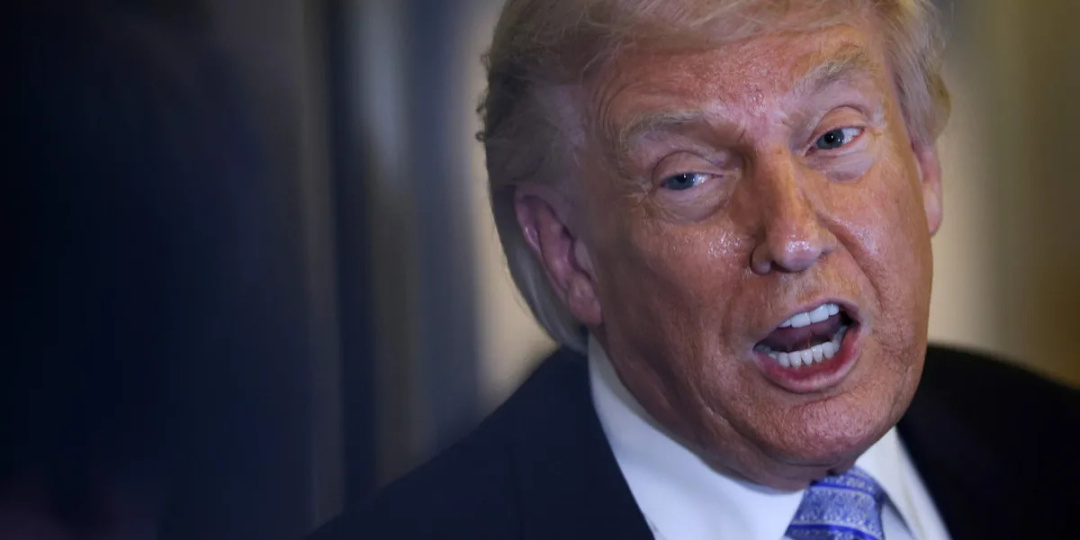
Trump Throws Tantrum Over Media Coverage of Xi Jinping's Visit
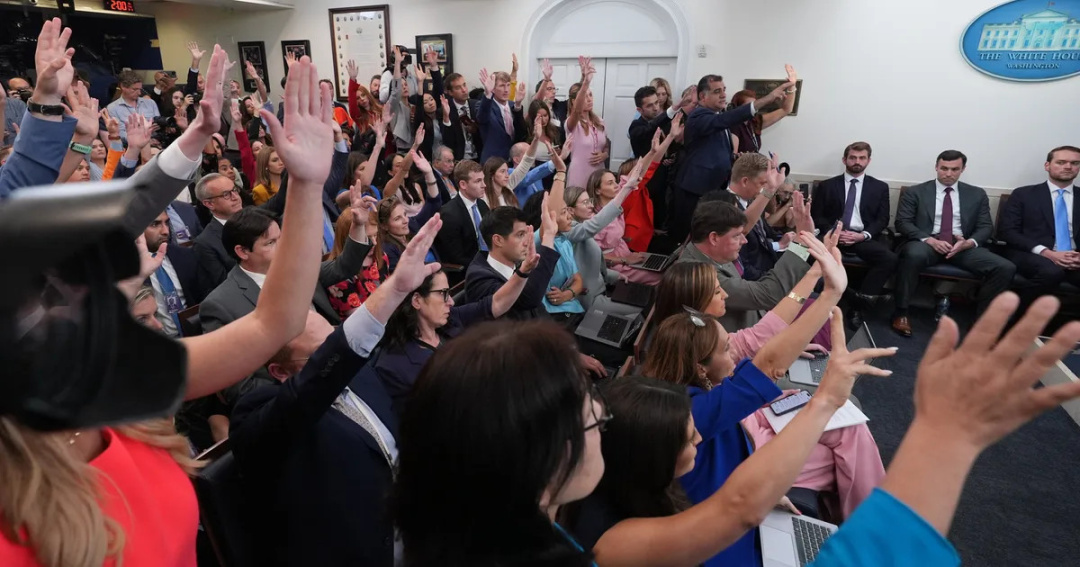
President Donald Trump has unleashed another diatribe on social media, this time targeting CNN and its supposed failure to cover what he dubbed one of the "Biggest and Most Beautiful Events" in recent history—the arrival of Chinese President Xi Jinping at the White House. In his latest Truth Social post, Trump lamented the lack of coverage, suggesting that the media outlets intentionally boycotted the event to deny him the glory he so fervently believes he deserves. “The event was magnificent—actually made for television—but, because they’re Fake News, they refused to be there,” he declared, seemingly oblivious to the irony of calling out ‘fake news’ while simultaneously manufacturing his own narrative.
This latest outburst comes just days after Trump’s attempt to ban CNN and MSDNC from the White House press pool. Following a legal ruling that restored access to these outlets, it appears that the President remains miffed, not just about the coverage, but about the very existence of unfavorable reporting. The irony here, of course, is that Trump's ongoing tensions with the media appear to be a self-fulfilling prophecy, manifesting in his own narrative of being consistently wronged by the press. During Xi’s visit, which Trump insists was a historic moment, the lack of coverage seems to stoke his paranoia that the media is out to undermine his presidency.
Still Beats Watergate:
Sponsor success. Continue reading:
CNN's chief media analyst, Brian Stelter, shed light on the ongoing media struggles, stating that the uncertainty surrounding Trump's ban significantly impacted coverage of Xi’s visit. Without the assurance of being allowed to film White House events, the press pool, which includes CNN, ABC, CBS, NBC, and Fox News, held back on coverage.
Just hours before Trump’s tirade, U.S. District Judge Timothy Kelly ruled against the President’s media ban, articulating that the outlets had not received “constitutionally adequate due process” prior to the revocation of their hard passes. The judge’s ruling has not only restored access but also provided a scathing critique of the administration's motivations behind the ban. In his ruling, Kelly expressed skepticism about the administration's claims linking media coverage to national security, suggesting instead that it was more about controlling the narrative.
Trump’s assertions that the media poses a national security threat have drawn ridicule, especially as there’s little evidence to substantiate such claims. The judge noted that the rationale presented by the government following the legal challenge seemed more like a flimsy excuse than a legitimate concern. The President's narrative of media malfeasance seems less about protecting the nation and more about shielding himself from critical reporting.
As Trump continues to grapple with his fraught relationship with the press, the dichotomy of his claims against the reality of judicial pushback paints a vivid picture of a leader increasingly isolated by his own rhetoric. The media's role as a check on power is crucial, and the unfolding saga of Trump's media wars is a stark reminder of the delicate balance between a free press and an administration intent on dictating the terms of engagement.
The Ongoing Struggle for Press Freedom
Trump’s tantrums reveal more about his insecurities than any actual media bias. While he insists on labeling outlets that dare to report unfavorably as “Fake News,” the truth remains that journalism’s fundamental duty is to inform the public, not to bolster his self-image. Observers of the media landscape can see the irony in a President decrying the supposed disloyalty of the press while simultaneously trying to control its access and narrative.
As the dust settles from this latest episode, the implications for press freedom and the relationship between the press and the presidency remain stark. Trump’s insistence on a narrative that centers his grievances against the media may ultimately backfire, reinforcing the very independence and resolve he seeks to undermine.
Your Takeaway
The President’s latest outburst serves as a reminder that the media’s role as a watchdog is crucial to democracy. While Trump’s narrative may resonate with his base, the broader implications of his actions highlight an ongoing struggle for press freedom in America. As this saga unfolds, it will be interesting to see how the landscape of media access and accountability continues to evolve under this administration.