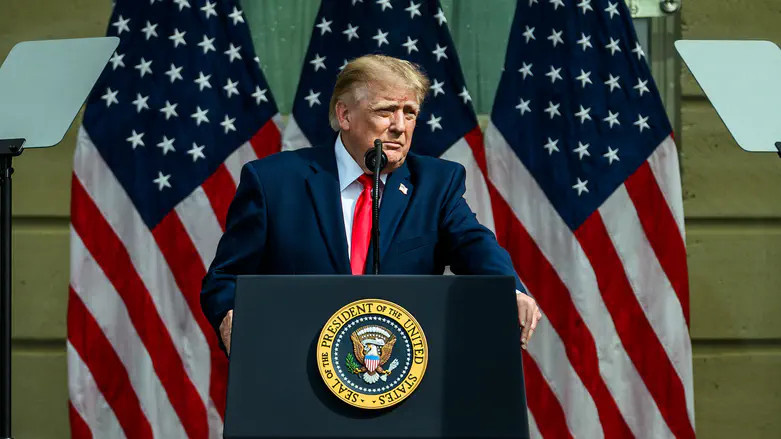
Lawsuit Challenges Trump's Authority to 'Annihilate' Iran Without Congressional Approval
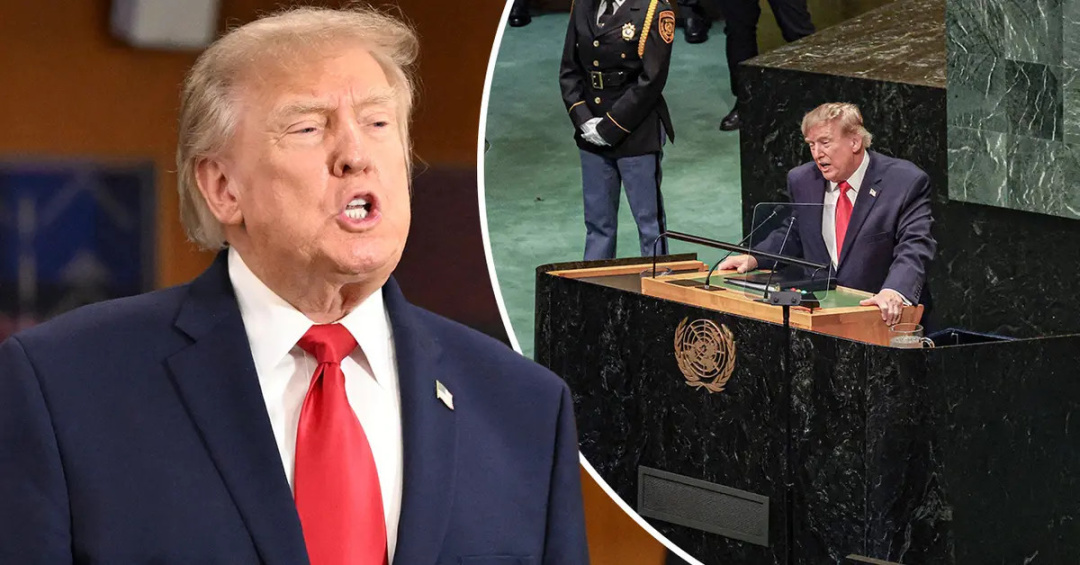
In a dramatic turn of events, a federal lawsuit has been filed against former President Donald Trump, suggesting that his recent provocative comments about Iran may come back to haunt him—legally speaking. The National Iranian American Council Action (NIAC Action) has taken action in Washington, D.C., arguing that Trump’s military posturing violates the Constitution’s Declare War Clause. They contend that his threats to 'annihilate' Iran, made during a speech at the United Nations, effectively sidesteps the necessary congressional authorization required for such military operations.
The lawsuit paints a vivid picture of Trump’s unilateral decision-making, where he allegedly claimed the power to decide Iran's fate without any checks from Congress. The plaintiffs assert that Trump’s ongoing military actions against Iran lack the constitutional backing they argue is essential. They point to a resolution passed by the House of Representatives, which directed Trump to withdraw U.S. forces from hostilities against Iran, highlighting that the resolution was narrowly approved by a 215-208 vote. A similar resolution was also passed in the Senate.
Still Beats Watergate:
Sponsor success. Continue reading:
As the legal proceedings unfold, the lawsuit raises not just the stakes of constitutional law but the broader implications of executive power in military affairs. It hints at the controversial nature of Trump’s military engagements, which have been described as aggressive and without proper legislative backing. The complaint even goes as far as to allude to the possibility of impeachment should Trump choose to ignore a court ruling against him, though the plaintiffs are not directly seeking his impeachment.
This unfolding drama places Trump's rhetoric under a legal microscope, as the plaintiffs argue that his remarks demonstrate an understanding of the seriousness of declaring war, which he has previously admitted requires congressional approval. Instead, they claim Trump has opted for euphemisms like 'military operations' to bypass the constitutional framework that governs such declarations.
While the lawsuit seeks a formal declaration that Trump's actions are unconstitutional, it simultaneously raises alarm bells regarding the potential escalation of military conflict without oversight. NIAC Action argues that without judicial intervention, Trump’s military campaign could continue indefinitely, putting countless lives at risk, particularly those of Iranian Americans with family members still in Iran.
The Legal Landscape Ahead
The legal challenge comes at a critical time when discussions about presidential war powers are at the forefront of national discourse. Trump's history of defiance against congressional measures, particularly regarding military involvement, places his administration's actions under further scrutiny. This lawsuit, therefore, not only questions the legitimacy of Trump's military engagements but also poses larger questions about the balance of power between the executive and legislative branches.
In light of the lawsuit's implications, the courtroom may soon become the stage for a face-off between constitutional law and presidential authority—a high-stakes game that could redefine the boundaries of executive power. As this case progresses, it remains to be seen whether the judiciary will uphold the principles enshrined in the Constitution or allow the executive branch to continue its contentious military maneuvers without appropriate oversight.
Your takeaway
As the legal battle looms, it serves as a poignant reminder of the importance of checks and balances in government. The outcome of this lawsuit may very well shape future presidents' military strategies and their relationship with Congress, ensuring that the lessons learned from Trump’s tenure are not repeated by his successors. In the meantime, the question remains: will the courts take a stand against perceived executive overreach, or will they let it slide into the annals of unchecked presidential power?