Trump's Whimsical Dance with Yemen's Ansar Allah: Airstrikes on Hold Again
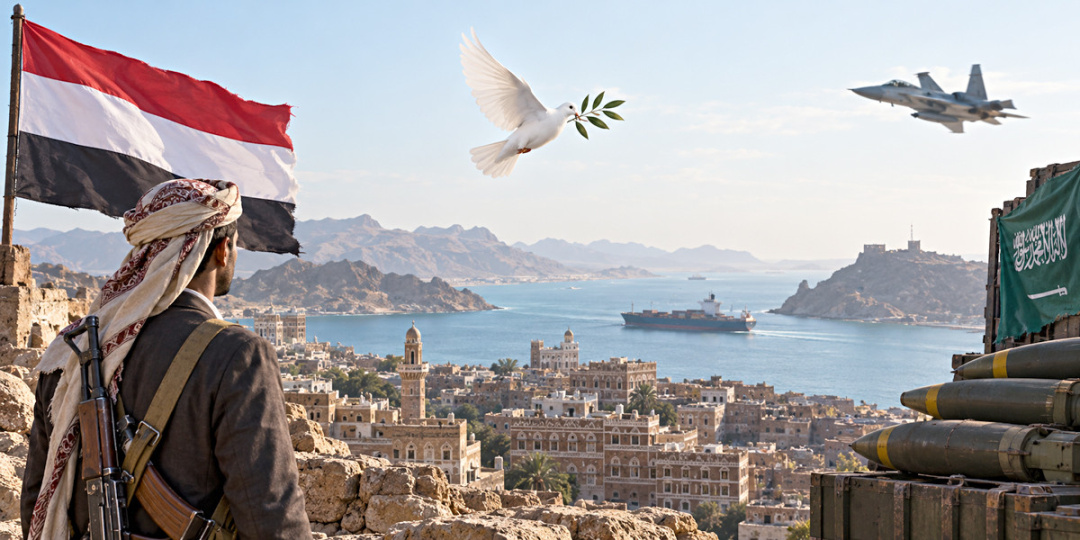
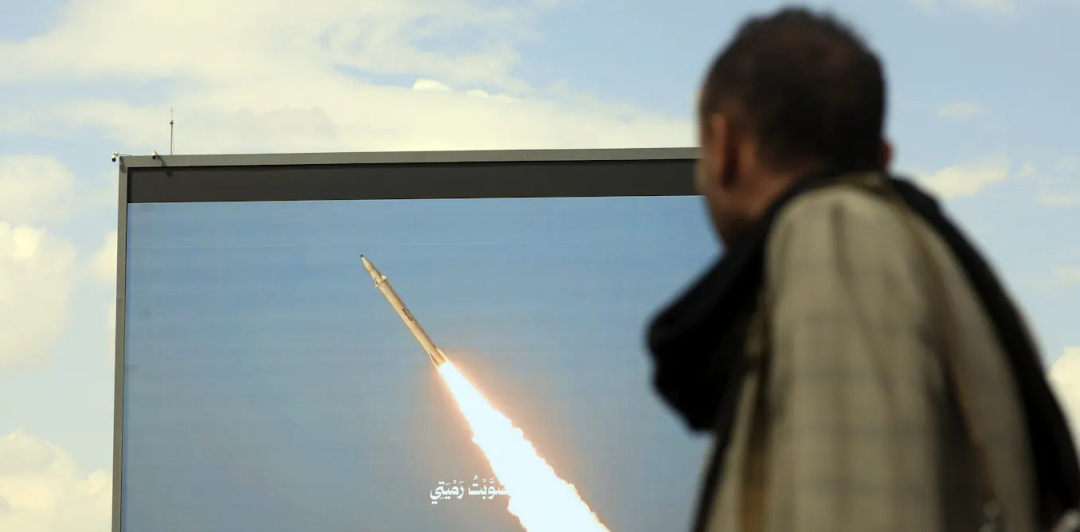
In a dramatic twist befitting a political theater, President Trump came within a hair's breadth of unleashing another bombing campaign against Yemen this past weekend. Reports emerged that U.S. commanders had their finger on the trigger, with troops loading bombs onto warplanes—only for Trump to pull a classic presidential U-turn, abandoning the mission at the last moment. This move was apparently prompted by Saudi Crown Prince Mohammed bin Salman's urgent pleas for American intervention as Ansar Allah forces were making notable gains along Yemen’s Red Sea coast.
Despite the initial readiness to strike, numerous advisers cautioned against joining the Saudi-led fray, questioning not only the efficacy of bombing runs—given that Ansar Allah had weathered over 1,000 U.S. strikes during a previous campaign—but also the potential fallout of reigniting hostilities in a region already rife with conflict. The Pentagon's newfound restraint poses a fascinating conundrum. After all, how does one explain the urgency of an airstrike that could ultimately undermine fragile diplomatic agreements with Ansar Allah?
Still Beats Watergate:
Sponsor success. Continue reading:
Indeed, the Ansar Allah forces have assured Washington that they harbor no intention of attacking American vessels, a sentiment reinforced by recent talks in Oman. Pushing forward with airstrikes could jeopardize this delicate arrangement and further complicate an already tangled web of maritime tensions in the Bab al-Mandab Strait. Yet, here we stand, with a president who can seemingly swing from hawkish to diplomatic in the time it takes to send a tweet—each reversal a testament to the chaotic state of U.S. foreign policy.
The backdrop of this geopolitical drama dates back to the devastation wrought by the Saudi-led, U.S.-backed war on Yemen. A war that has seen the U.S. supply Saudi Arabia with billions in arms, spurring an endless cycle of bombing that has obliterated civilian life. Meanwhile, Congress grapples with its own impotence in halting these arms deals, as Senator Markey and his peers attempt to push back against what seems like a government-sanctioned license for carnage.
And what of the actual governance in Yemen? The U.S. remains obstinately stuck in its acknowledgment of the Saudi-backed Presidential Leadership Council, despite the fact that Ansar Allah has effectively established itself as the de facto power in much of the country. This raises an essential question: why does the U.S. cling to a coalition that has not governed the majority of Yemen for years, while the real rulers remain under constant bombardment?
As the UN General Assembly gathers to discuss the ongoing crises, it presents a unique opportunity for the international community. Will world leaders finally recognize the government that represents the Yemeni populace or will they continue to prop up a Saudi-led charade? Recognition of Ansar Allah as the legitimate governing body might not only align foreign policy with reality but could also bring much-needed peace to a ravaged nation.
The Dilemma of Legitimacy
While diplomats strategize in stuffy rooms, the brutal reality on the ground unfolds. The ongoing conflict has allowed Ansar Allah to strengthen its position, manufacturing its own missiles and drones while absorbing international support. As the fight for survival continues, the U.S. must reckon with the absurdity of its foreign policy: supporting a phantom government while neglecting the body that holds true power.
With each passing day, Yemen's pressing humanitarian crisis grows even graver. In the grand chess game of global politics, Yemen is but a pawn, and it seems the U.S. is playing its part as if moving blindfolded. How long can this charade endure when the need for a legitimate and just resolution becomes ever clearer? It is time for the international community to reassess its position and, more importantly, its conscience regarding Yemen.
Your Takeaway
As the pageantry of U.S. foreign policy unfolds, it is crucial to keep the humanitarian crises of the people of Yemen front and center. Despite the complex interplay of military strategy, diplomatic overtures, and international law, the simple truth is that recognition of Ansar Allah as the legitimate government could pave the way for peace and stability—something the war-torn nation desperately needs. It’s time for a pivot from endless conflict toward meaningful dialogue that prioritizes human lives over geopolitical posturing.