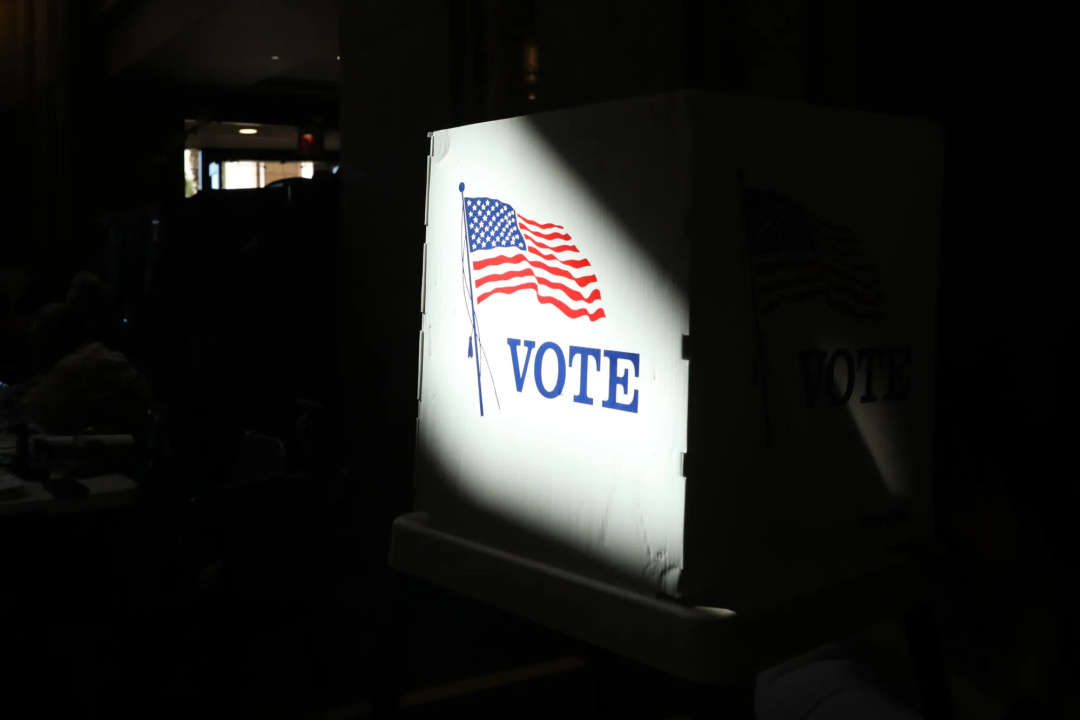
Trump's Bid to Undermine Midterm Elections Sparks Constitutional Fears
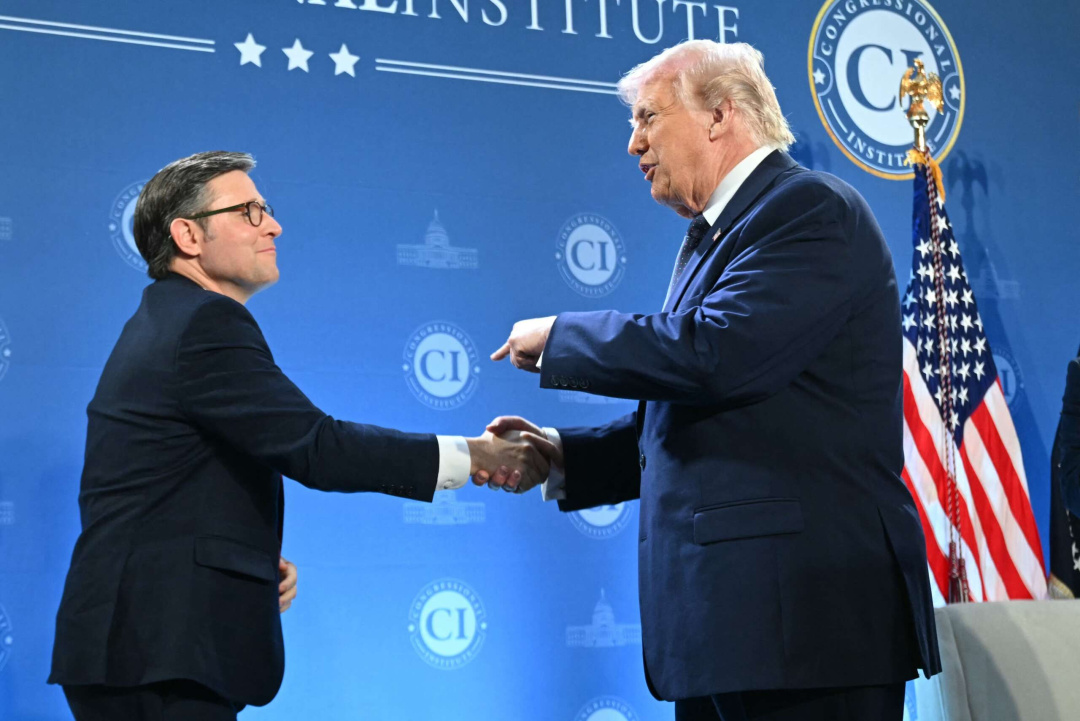
In the shadow of the 2020 presidential election, where Trump vehemently contested the results, a new political battle is brewing ahead of the midterm elections. With Trump still insisting he won, a significant worry among lawmakers and constitutional experts is whether his allies will attempt to block the certification of Democratic victories come January 3, 2027. This scenario has been described as a potential "congressional coup" by former Judge Michael Luttig, who fears that the events could lead to a degradation of democratic norms.
Luttig, in a revealing op-ed, pointed out that the House Republicans might claim the midterms were "stolen" and refuse to seat Democrats who are elected. This claim would rely on a selective interpretation of the Constitution's authority given to the House to judge its own members' elections. However, any refusal to seat legitimately elected representatives raises serious constitutional questions and threatens to plunge the nation into turmoil.
Still Beats Watergate:
Sponsor success. Continue reading:
The implications of this situation are profound. If the House leadership, under Speaker Mike Johnson, were to disregard the election results, it would not only undermine the electoral process but could also set a dangerous precedent for future elections. The power struggle over the position of House Clerk, as discussed in Luttig's warnings, exemplifies this power grab. The clerk's role in certifying election results is fundamental, and a replacement with a loyalist could enable the suppression of Democratic representatives from the congressional roster.
Recent history reflects various attempts to subvert election integrity, with over 30 local officials in several states refusing to certify results post-2020. If Trump and his allied lawmakers attempt to replicate such tactics, they could stir a national crisis that challenges the very foundation of U.S. democracy. Constitutional law experts have cautioned that any such maneuvers would likely face immediate legal challenges, as Democrats prepare petitions to ensure their members are seated.
The Risk of Escalation
As January 3 approaches, the stakes continue to rise. Trump's rhetoric, previously calling for supporters to "cheat like hell" to secure Republican victories, suggests a troubling willingness to flout legal norms. Luttig's warnings about potential violence and a return to historical moments when democracy was nearly derailed resonate ominously in today's political climate. If the midterms turn out favorably for Democrats, Trump’s faction could engage in an unprecedented assault on the electoral process, attempting to strip away the rights of voters and representatives alike.
While the Constitution offers mechanisms to challenge such undemocratic acts in court, the question remains about the willingness of House Republicans to uphold their oaths to the Constitution. As both sides prepare for the coming political battles, the outcome may well hinge on public outcry and mobilization. The message from various civic leaders is clear: vigilance and action are necessary to protect democracy from internal threats. With the potential for a coup brewing on the horizon, Americans must remain alert and prepared to defend their electoral rights against any attempts to undermine them.
Your takeaway
As the midterm elections draw closer, the real battle may not just be at the ballot box, but in the halls of Congress itself. The implications of a refusal to seat elected officials could lead to chaos, igniting a constitutional crisis that challenges the very principles of the American democratic system. Engaging in this discourse and preparing for potential legal battles will be essential for upholding the integrity of future elections. The resilience of democracy may depend on the actions taken by both lawmakers and citizens alike in the face of these challenges.