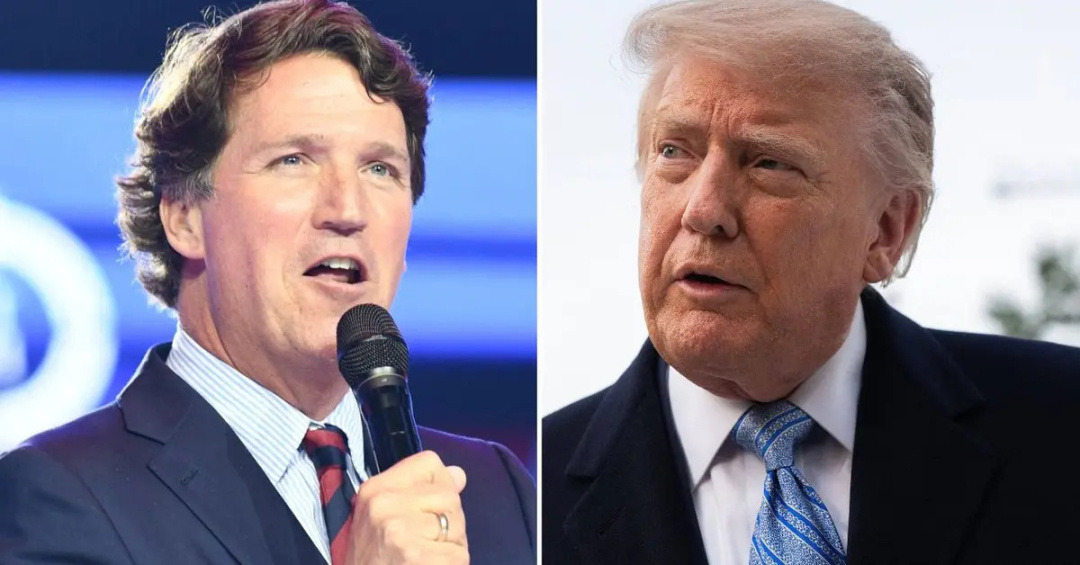
Tucker Carlson's Stark Reflection on Trump's Iran War Comments
In a striking NPR interview, Tucker Carlson shared his astonishment at President Donald Trump's comments on the U.S. involvement in the Iran war, revealing a candid dialogue that reflects the complexities of modern warfare and media narratives. Carlson, a prominent conservative pundit, articulated that Trump did not instigate the war on his own; instead, he was apparently influenced by external forces, particularly Israel.
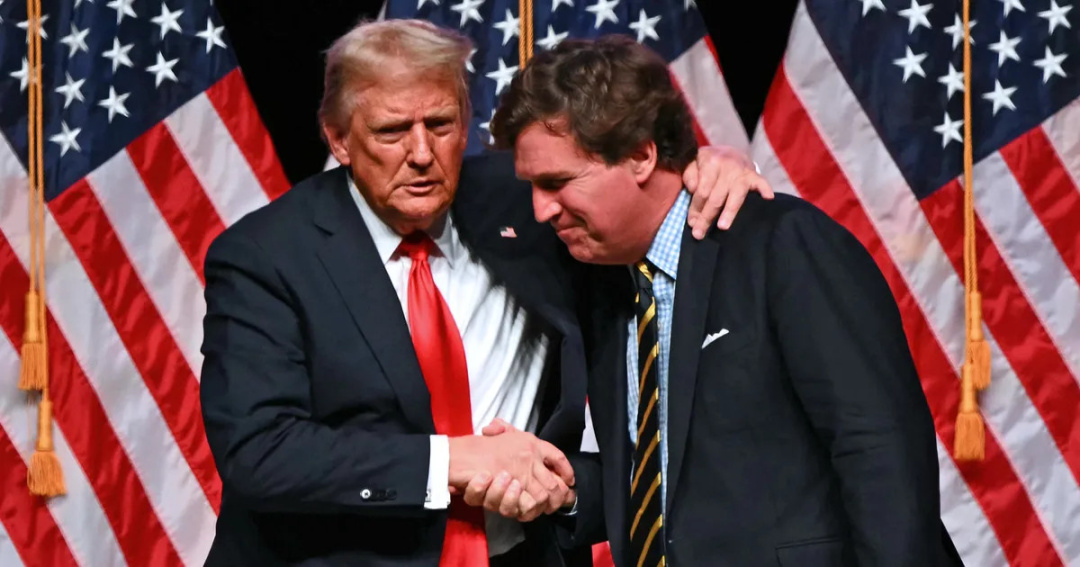
Carlson's assertion comes as he recounts a private conversation with Trump shortly after returning from a trip to Israel. He stated, "I said, 'This war is not about Iran’s nuclear program, which you told me – and the world – that you eliminated last summer in June.'" This moment supposedly struck a chord with Trump, who, according to Carlson, acknowledged Israel's role in pushing the conflict by agreeing with the assertion. However, it was Trump's chilling response that left Carlson in disbelief: "But in the end, we all die anyway. So it doesn’t matter. That’s exactly what he said."
Still Beats Watergate:
Sponsor success. Continue reading:
The implications of this conversation extend beyond mere shock value, touching on the ongoing narrative of U.S. foreign policy influenced by foreign governments. The relationship between Trump and Israel has been a focal point for many analysis pieces, with questions swirling around the balance of power and influence in international relations. Carlson's narrative hints at an unsettling reality: the actions of the U.S. are often tethered to the agendas of other nations, complicating the domestic perception of the war.
In keeping with his critical stance, Carlson proposed that Trump should have been subjected to the 25th Amendment due to his threats involving nuclear action. "He should have been bundled up and taken out. That’s a crime. There’s no greater crime than that," Carlson proclaimed, adding his voice to the chorus of commentators advocating for accountability in the highest offices of power. This blend of emotions—shock, disappointment, and a call for action—reveals Carlson's deep concern over the trajectory of U.S. leadership.
Implications of Presidential Rhetoric
The revelations from Carlson’s interview warrant discussion regarding the broader implications of presidential rhetoric and decision-making. Trump's history of threatening nuclear action, notably against North Korea and Iran, raises vital questions about the thresholds for intervention and the responsibilities of political leaders. Carlson's dialogue with Trump serves as a microcosm of a larger issue: how leaders articulate their strategies in an increasingly polarized political climate.
Applied to you
In the aftermath of Carlson's statements, one cannot help but wonder about the ramifications of such conversations within the corridors of power. When a sitting president admits to being influenced by foreign powers regarding military actions, what does that say about the integrity of domestic policy? As political pundits grapple with these themes, the responsibility of the media to dissect and present these narratives accurately becomes paramount.
In conclusion, Carlson's reflections on his conversation with Trump underscore the perilous dance of political influence and the responsibility leaders have when it comes to national security. As the tides of political opinion shift and evolve, followers of the narrative must remain vigilant, questioning how these discussions shape the future of U.S. policy and the integrity of its leaders.