NATO's New Drone Defense Strategy: Just Throw Money at It
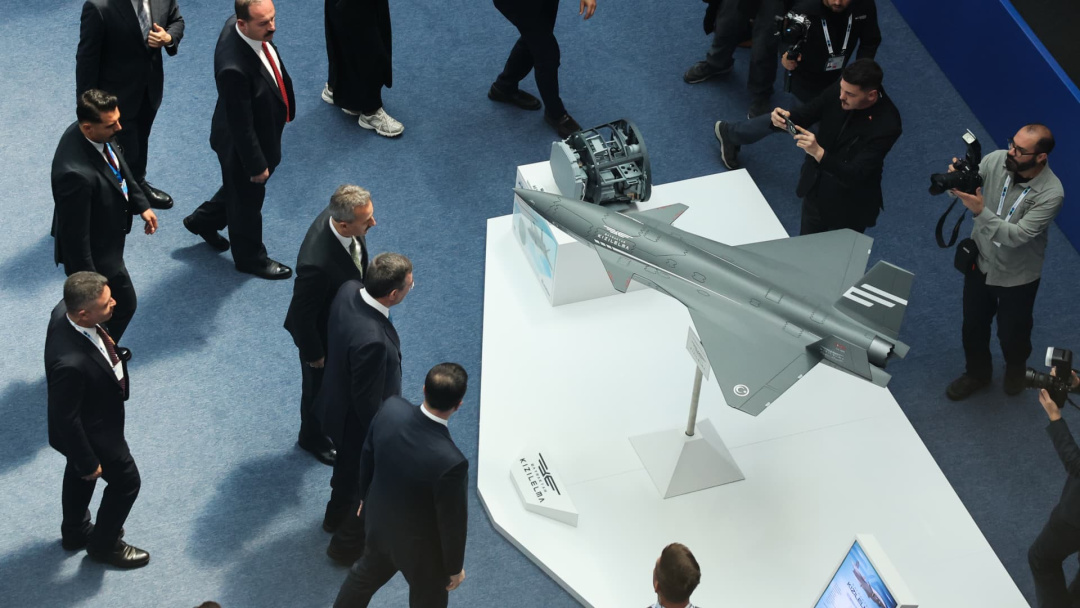
In an unprecedented move that can only be described as the world’s most expensive game of whack-a-mole, NATO has announced a jaw-dropping $40 billion initiative aimed at countering the burgeoning threat of Ukrainian drones. This strategic pivot comes as Ukrainian forces have been busy turning Russian refineries into smoky ruins, showcasing a level of aerial creativity that has NATO scrambling for a financial safety net.
Sources close to the alliance revealed that the decision to invest such a staggering amount in counter-drone technology was spurred by the realization that conventional warfare strategies are just so last century. Why bother with boots on the ground when you can throw money at complex technology that may or may not work? After all, nothing says “we’re concerned” quite like a budget that could fund several small countries for a year.
Still Beats Watergate:
Sponsor success. Continue reading:
The plan reportedly includes an array of cutting-edge gadgets designed to intercept drones, from laser beams and signal jammers to good old-fashioned flares. However, critics are already questioning the logic behind investing billions into technology that might just end up being more useful for a sci-fi movie than actual defense. “It’s like trying to fix a leaky faucet with a sledgehammer,” one analyst lamented, clearly missing the point that nothing solves problems in the military quite like an oversized budget.
Additionally, NATO officials are hoping that by announcing this plan, they can appease member nations who are increasingly fatigued by the ongoing conflict and are desperate for a way to justify their military expenditures. “If we can throw money at the drone problem while looking busy, we’ll be golden,” said one anonymous source, chuckling at the sheer absurdity of it all.
Meanwhile, the Ukrainian military is reportedly overjoyed by this news, seeing it as a clear validation of their drone strategy. “We knew we were onto something good when we started sending those drones over,” said a spokesperson, clearly reveling in the chaos they’ve unleashed. “It’s nice to know that our little operations are worth billions to NATO. Who knew that making a Russian refinery go up in flames could be so profitable?”
As the world watches this financial spectacle unfold, one thing is clear: NATO’s new counter-drone strategy may not stop the drones, but it will definitely keep the money flowing. If nothing else, it’s a strong reminder that in the world of international relations, the best defense is a good offense—and a really, really big checkbook.