NATO's New Game: Blame It on the Allies
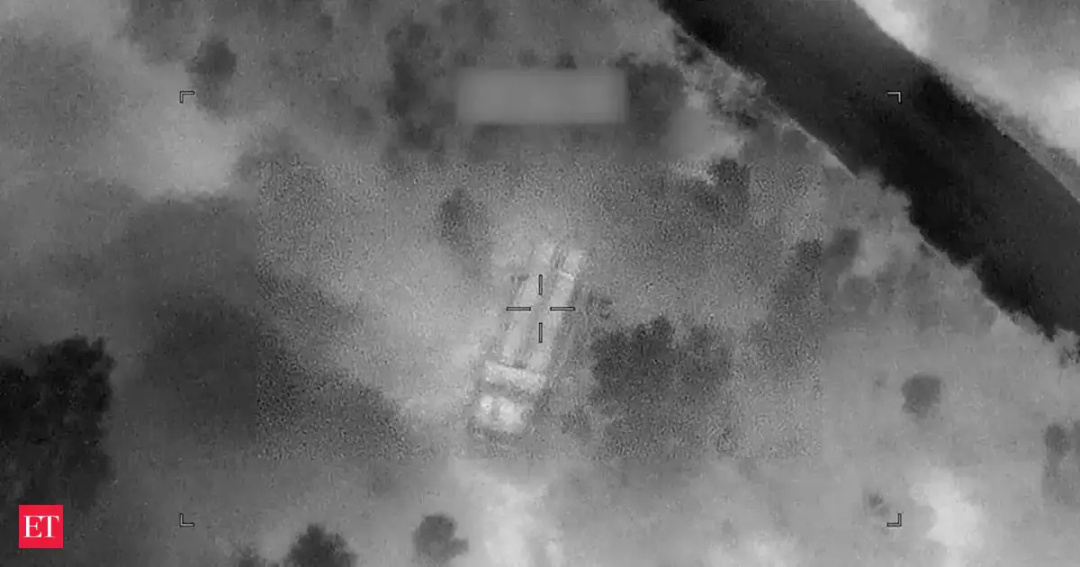
In an unexpected turn of events that could only unfold in the grand theater of international relations, Iran has stepped up to the mic and accused NATO of being complicit in the ongoing US-Israeli strikes against its territory. Apparently, Tehran has decided that when it comes to blame, sharing is caring, and boy, do they want to share the responsibility for the chaos that has ensued. Iran's Foreign Ministry spokesman, Esmaeil Baqaei, has issued a clarion call for accountability, arguing that NATO's involvement in the military campaign means they are legally on the hook for all the devastation. Who knew that the legal fine print of military operations could be so colorful?
The drama unfolded following NATO Secretary General Mark Rutte’s candid confession that member states had indeed provided support for US operations. Talk about a slip of the tongue! Rutte’s admission opened the floodgates for Iran’s diplomatic onslaught, and Baqaei made sure to wade right into the swirling waters of international law, claiming it was a direct violation of the UN Charter. It seems Iran is ready to unleash a flurry of lawsuits that could make even the most seasoned lawyers weep.
Still Beats Watergate:
Sponsor success. Continue reading:
As of late June, Iran has reported over 3,400 casualties, which is a staggering number that nobody wants on their conscience. With significant damage to both military and civilian infrastructure, the stakes are higher than a game of poker in a Las Vegas casino. And while the world watches, the Strait of Hormuz remains a focal point for US military actions, ensuring that the drama continues to play out in real-time, much to the chagrin of NATO’s European allies who are now caught between a rock and a hard place.
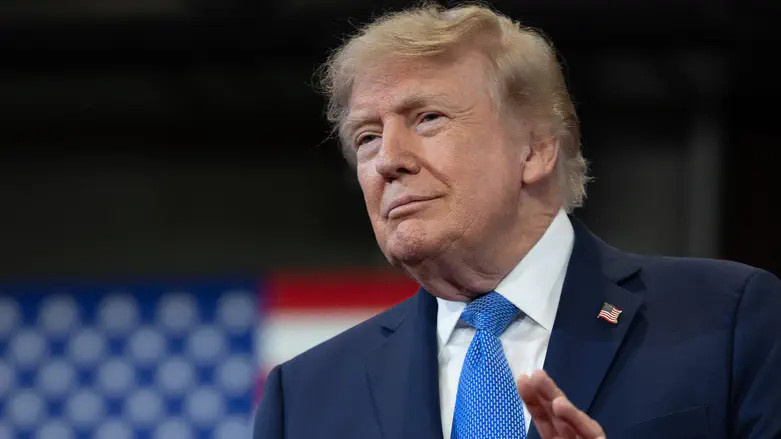
In the background, a NATO summit featuring none other than US President Donald Trump lends an extra layer of absurdity to this already convoluted spectacle. With 20% of the world’s oil supply transiting through the Strait, it’s now a high-stakes game of geopolitical chicken. The allies are left with a choice: either distance themselves from the US actions or risk being dragged into Iran’s legal labyrinth. Silence, as they say, can be deafening, and in this case, it might just be the loudest form of complicity.
As the strikes continue unabated, with Iranian installations feeling the brunt of military might, the real question looms large: will NATO members rally to push back against this narrative, or will they hold their tongues and let the accusations stand? One thing is for sure, if Iran decides to take this to the UN, it could be a diplomatic circus of epic proportions, complete with vetoes, abstentions, and a lot of finger-pointing. Welcome to the newest episode of International Relations: The Blame Game, where accountability is just a word in the dictionary, and the real winners are the lawyers.
In summary, as the world grapples with this latest twist in the saga, one can only hope that the next round of diplomatic negotiations includes a robust clause on accountability, lest we continue to play this dangerous game of pass-the-blame without any real resolution in sight.