Environmental Groups Remain Unresponsive in Whale Protection Debate
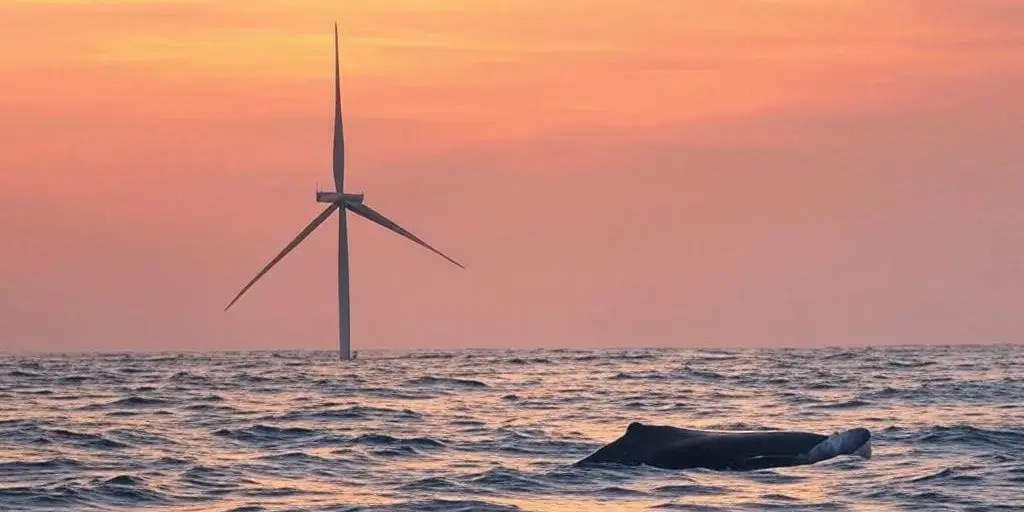
In the latest twist of the environmental saga, Save Long Beach Island (LBI), a grassroots organization in New Jersey, is gearing up to confront the U.S. Department of Commerce over its decision to deny a critical habitat designation for the endangered North Atlantic right whale. This peculiar episode unfolds as the most prominent environmental advocacy groups—those often seen as champions of marine life—remain conspicuously silent. Save LBI's recent attempt to rally these heavyweight organizations has been met with radio silence, leaving the small group flabbergasted.
The stakes are high, as NOAA's rejection of Save LBI's petition means that the fate of a species teetering on the brink of extinction hangs in the balance. With a mere 380 North Atlantic right whales left, and only about 70 of those being reproductive females, the urgency is palpable. Bob Stern, president of Save LBI, has articulated the pressing nature of their legal action, emphasizing that time is running out for both the whales and for the well-funded environmental groups to join the cause. Yet, the National Resources Defense Council (NRDC) and the Sierra Club remain locked in an unyielding silence, much to the dismay of those who advocate for marine protections.
Still Beats Watergate:
Sponsor success. Continue reading:
The irony is rich: these organizations, historically vocal against military exercises that might harm marine life, now seem to favor offshore wind projects despite growing evidence that these developments could have detrimental effects on whale populations. Stern notes that Save LBI's studies highlight how these projects have already resulted in whale fatalities, creating a dissonance between the advocacy missions of these big-name groups and their current inaction.
As Save LBI pushes forward with its legal strategy, the lack of engagement from the NRDC and Sierra Club raises questions about the priorities of powerful environmental organizations. The grassroots movement, supported by around 100,000 online followers, appears to be fighting an uphill battle against a tide of bureaucracy and corporate interests that often drown out genuine conservation efforts.
The Disconnect in Environmental Advocacy
The glaring absence of support from the larger organizations is not just puzzling; it hints at a deeper disconnect within the environmental movement. As Save LBI points out, these groups have a long history of opposing threats to marine life but seem to have sidestepped this critical issue. Stern's attempts to reach out for support have yielded few responses, save for a positive note from the Center for Biological Diversity, further emphasizing the divide in the environmental community.
In his correspondence with the NRDC and Sierra Club, Stern has expressed bewilderment at their silence, particularly as these organizations have repeatedly articulated missions that include protecting whales and their habitats. The question looms: why the reluctance to stand up for marine life when the clock is ticking?
Affecting you
As an added layer of intrigue, there's murmuring about the potential involvement of former President Donald Trump, who once advocated for measures that align with Save LBI's petition. This unexpected twist could further complicate the narrative and perhaps prompt a response from the silent giants of environmental advocacy.
The urgency to act is clear, as Save LBI gears up for further legal maneuvers should NOAA continue to dismiss their petition. The environmental landscape is shifting, and the stakes have never been higher for the North Atlantic right whale. With grassroots efforts pitted against established organizations, the true colors of the environmental movement may be revealed in this unfolding drama.