White House Denies Diesel Export Ban, Confuses Farmers and Fuel Analysts Alike
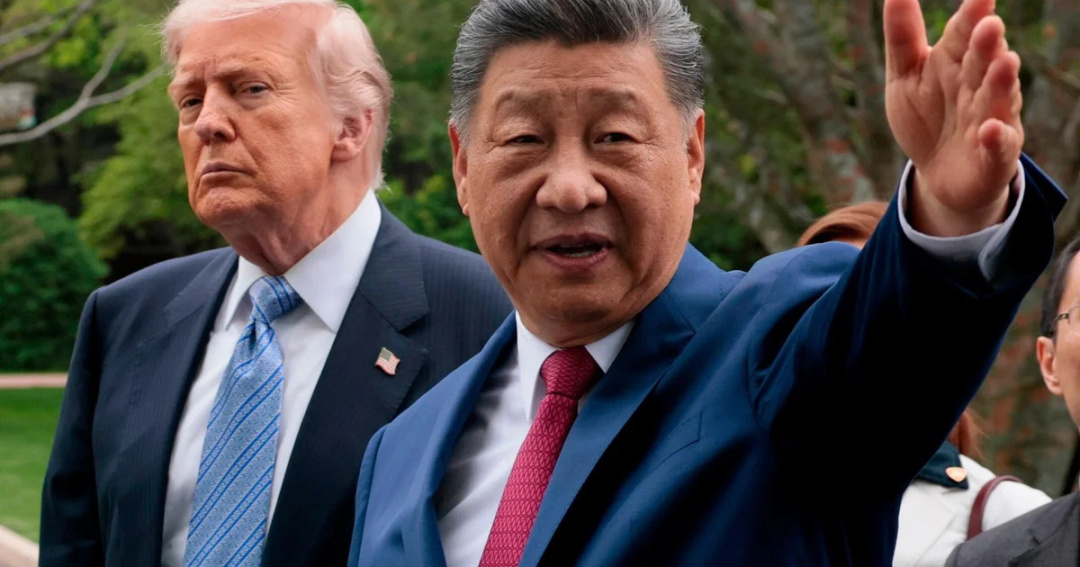
In a dramatic display of political theater, the White House has issued a denial regarding the potential ban on U.S. diesel exports. This comes right after President Trump, in all his rhetorical glory, hinted at keeping more diesel at home, presumably to appease the restless farmers and truckers feeling the pinch of soaring prices. The average diesel price in the U.S. has now hit an alarming $6.50 per gallon, and with midterm elections looming, the administration appears to be spinning its wheels rather than taking firm action.
The clarification from the White House arrived swiftly after Treasury Secretary Scott Bessent appeared to leave a crack open for possible restrictions. "We’re examining whether it’s feasible in terms of the overall refining capacity," he said, which sounds reassuring until you realize it's just a fancy way of saying, "we're still figuring this out." Energy Secretary Chris Wright also jumped into the fray, stating that nobody was seriously considering a flat ban on shipments. Instead, they are apparently busy discussing how to pump more diesel into the U.S. market while keeping gasoline and jet fuel flowing—because who doesn't want to juggle several flaming torches at once?
Still Beats Watergate:
Sponsor success. Continue reading:
Politicians on the other side of the aisle, particularly Republican Senators like Iowa’s Chuck Grassley, have been raising their voices in favor of a ban. Grassley has called for action, exclaiming that record-high diesel prices are wreaking havoc on American farmers. "Why doesn’t President Trump put an embargo on diesel exports like presidents in the 70s did for agricultural products?" he lamented, clearly channeling the spirit of Nixon. With diesel prices now hovering at $6.57 in Iowa, one might wonder if Grassley is invoking the shadows of past embargoes to strike a chord with constituents in distress.
Adding to the confusion, earlier last week, Interior Secretary Doug Burgum hinted that a ban might be on the table if it could lower prices. Yet, the rapid back-and-forth seems less about genuine policy and more about the administration trying to save face as voters bristle at the pump. It’s a classic case of political maneuvering, where leadership is measured in press releases rather than sound economic strategy.
However, market analysts and the oil industry are waving red flags, insisting that a ban would only backfire and exacerbate the very issues it aims to solve. The American Petroleum Institute (API) has warned that restricting U.S. energy exports could amplify refining challenges, leaving consumers even worse off. "We need more supply, not new restrictions," said API CEO Mike Sommers, echoing the frustrations of those who understand that supply and demand don’t bend to political whim.
As diesel and gasoline prices continue to soar, the White House is caught in a web of mixed signals and political posturing. With record-high prices and conflicting messages from various officials, one can only imagine the conversations happening behind closed doors. The fuel crisis indeed seems to be a perfect storm of escalating prices, political maneuvering, and an administration scrambling for control over a narrative that is quickly spiraling out of its grasp.
The Diesel Dilemma and Political Posturing
As the White House pivots from one position to another, the real question remains: how will this affect American consumers and the agricultural sector facing skyrocketing diesel prices? The administration’s attempt to balance domestic needs with international obligations is commendable in theory but appears poorly executed in practice. With farmers and truckers crying out for relief, the White House’s current strategy seems less about effective governance and more about prioritizing midterm optics over substantive solutions.
The looming threat of a diesel export ban might merely be a diversion from deeper issues within the administration's energy strategy, one that’s not quite sure whether it’s riding the wave of rising prices or drowning in them. Keeping distillates at home may sound appealing, but the reality is that the U.S. is not short on diesel; the world is. And until the administration can navigate this tangled web without sacrificing clarity for theatrics, both consumers and farmers will remain on edge, waiting for a coherent plan to emerge from the confusion.
Your takeaway
As the political drama unfolds, it’s clear that while the White House may deny a diesel export ban, the real story is about the administration’s uncertain grasp on energy policy. With rising prices and mixed signals from top officials, the public will be left watching closely, hoping that clarity will eventually rise from the chaos, even if it takes a while for the dust to settle. The complexities of the global fuel market and domestic needs will require more than buzzwords—it will demand clear action and leadership.