Trump's Smirk Amid Iranian President's UN Rant Highlights Tense Diplomacy
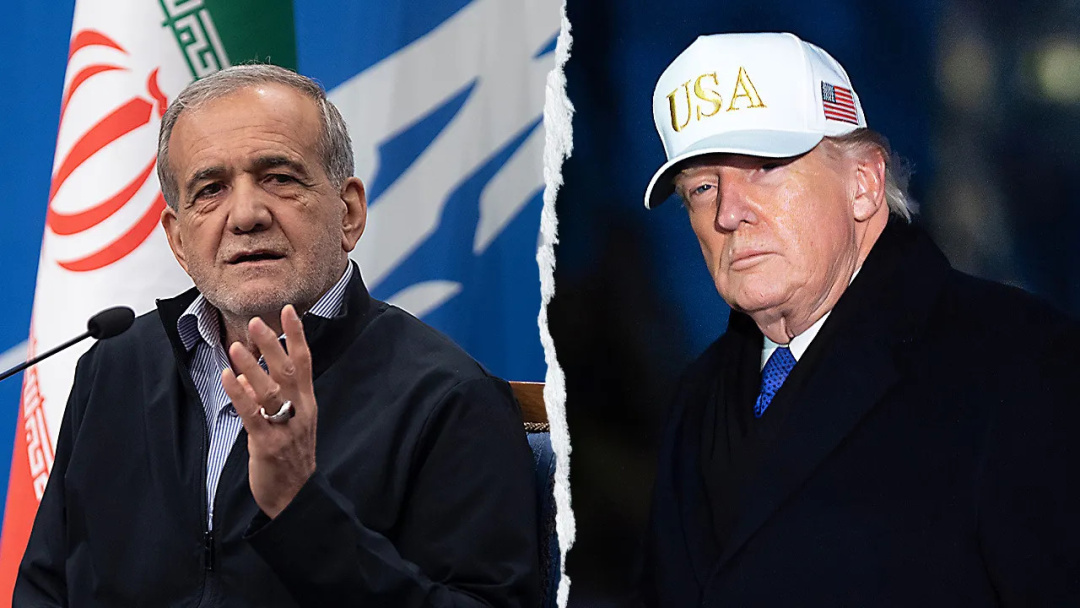
At the United Nations General Assembly, Iranian President Masoud Pezeshkian delivered a fiery rebuke of the United States, proclaiming that Iran has been a victim of terrorism. This theatrical performance, however, was expected to draw little more than a smirk from President Donald Trump, who knows he holds the upper hand, according to a foreign policy expert. Pezeshkian's claims come amid heightened tensions between Washington and Tehran, as both leaders addressed the assembly within a day of one another, intensifying the verbal sparring.
Pezeshkian accused both the U.S. and Israel of aggression while trying to paint Iran as the aggrieved party. "We have only defended ourselves. We are not terrorists," he declared, alleging that his country has been subjected to cowardly attacks. The sharp contrast between his rhetoric and Iran's historical actions did not go unnoticed. Behnam Ben Taleblu, a senior fellow at the Foundation for Defense of Democracies, suggested that Trump's response was likely one of dismissive amusement, reflecting the predictable nature of both countries' diplomatic stances.
Still Beats Watergate:
Sponsor success. Continue reading:
Trump, speaking earlier, defended his administration's confrontational policies towards Iran, warning of dire consequences if a deal is not reached. He suggested that Iran's choices could lead to its destruction, a theme that Pezeshkian’s subsequent speech directly countered. While tensions were palpable at the podium, behind the scenes, there appeared to be a willingness to engage diplomatically, with discussions reportedly taking place between U.S. envoy Steve Witkoff and Iranian officials.
The duality of the public confrontations and the private negotiations illustrates the complex interplay of diplomacy and aggression. Both countries seem to be testing each other's thresholds, using public statements to bolster domestic narratives while exploring potential avenues for dialogue. Taleblu noted that Pezeshkian’s message was crafted to resonate on a global scale, positioning Iran within an anti-imperialist framework, which may have broader implications for its standing on the world stage.
Navigating Tensions and Diplomatic Strategies
As both leaders navigate this charged environment, it remains uncertain whether the competing narratives of confrontation and diplomacy can coexist long-term without resulting in escalating tensions. The careful maneuvering behind closed doors may ultimately define the future of U.S.-Iran relations. Pezeshkian's insistence that Iran will not bow to military pressure while signaling openness to talks suggests a strategic balancing act that both sides will need to manage carefully.
The Stakes of Diplomatic Maneuvering
The ongoing dialogue—or lack thereof—between the U.S. and Iran serves as a reminder of the high stakes involved in international diplomacy. Despite the harsh words exchanged at the UN, both leaders recognize the necessity to navigate towards negotiations, albeit for different ends. This dual approach complicates the narrative as both aim to project strength while revealing vulnerabilities.
Ultimately, this complex dance of assertions and counterclaims illustrates that the real victims of this geopolitical strife are the citizens caught in the crossfire of rhetoric and policy. Both Trump and Pezeshkian appear intent on leveraging their respective positions for maximum domestic and international gain, but the path forward remains fraught with challenges that could easily derail any progress made.