Newsom Claims No Pressure in Paramount Lawsuit Settlement Amid Backlash
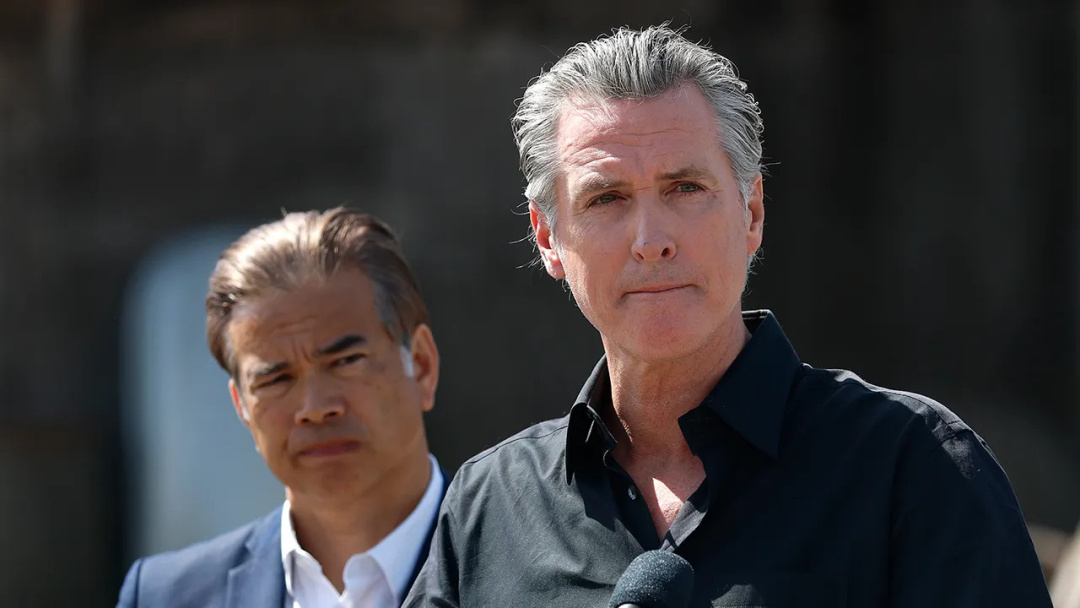
In a move that has the state's political observers raising eyebrows, California Governor Gavin Newsom emphatically denied allegations that he pressured Attorney General Rob Bonta to settle the antitrust lawsuit against Paramount Skydance Corp., a deal that coincides with the company's proposed $111 billion merger with Warner Bros. Discovery Inc. This denial comes on the heels of a settlement announcement that has ignited a firestorm of criticism, as many see it as the latest capitulation to corporate interests at a time when California is trying to assert its commitment to competition and consumer protection.
As the dust settled from the announcement of the merger’s impending approval, Bonta originally spearheaded a coalition of state attorneys general that aimed to thwart the deal, citing significant concerns over competition in the entertainment industry. Yet, in what appears to be a dramatic turnaround, the settlement reached this week has left critics wondering if political pressure had a hand in Bonta's decision. Newsom, however, insists that he merely encouraged a collaborative approach rather than a confrontational one. "I didn’t pressure anybody," he told Axios, going on to clarify that he advocated for negotiations to take place in the boardroom rather than in a lengthy courtroom battle.
Still Beats Watergate:
Sponsor success. Continue reading:
Bonta echoed this sentiment during a press conference, stating that the settlement was not an endorsement of the merger but rather an opportunity to ensure competition remains intact while resolving the case effectively. "This settlement is not a vote of support for this merger; it is not a blessing of the broader merger," he clarified, further complicating the narrative surrounding the deal.
Critics from both sides of the aisle have pounced on this development. Some argue that this marks a retreat from strict antitrust enforcement, while others see it as a necessary compromise that could save jobs and retain business in California. As Bonta faced heavy pressure from progressive factions, including prominent figures like Sen. Elizabeth Warren, who condemned the settlement as a capitulation to corporate interests, the political ramifications of this decision cannot be overstated. Warren's passionate denunciation highlighted fears that allowing such dominance by a single entity in the media landscape could lead to disastrous consequences for both jobs and consumer prices.
Balancing Politics and Corporate Interests
In the realm of political optics, Newsom and Bonta are walking a tightrope. As California prepares for the midterm elections, the last thing they can afford is a narrative implying that they are willing to sacrifice the state's competitive environment for corporate favors. The question now remains: will this settlement come to define Newsom’s tenure, painting him as a governor who bends to the whims of big business, or will it be remembered as a pragmatic move in a rapidly evolving media landscape? Whatever the outcome, the backlash from progressive circles suggests that California’s political climate remains as volatile as ever, with the potential for substantial repercussions.
Your takeaway
As the implications of this merger ripple through the political landscape, the public's perception of Newsom's leadership is under scrutiny. Is he merely a puppet to the corporate strings that tug at the heart of California's economy, or is he crafting a narrative that positions California as a leader in pragmatic governance? As both sides of the aisle grapple with the settlement’s fallout, the broader implications for California's regulatory environment and its stance against monopolistic practices remain an open question. Newsom's retort of no pressure might just be an attempt to sidestep the growing scrutiny, but as the merger progresses, he may find that the real pressure is yet to come from voters who expect accountability in the face of corporate lobbying.
For those watching the political maneuvers from afar, this incident serves as a reminder of the constant tug-of-war between corporate giants and government officials. The fine line drawn between collaboration and capitulation is ever-present, and the stakes are uniquely high in California’s dynamic political landscape. How Newsom and Bonta navigate the backlash from both constituents and corporations will potentially define their legacies as they march into an uncertain electoral future.