Court Dismisses Trump's Legal Challenge to Iowa Polling Coverage
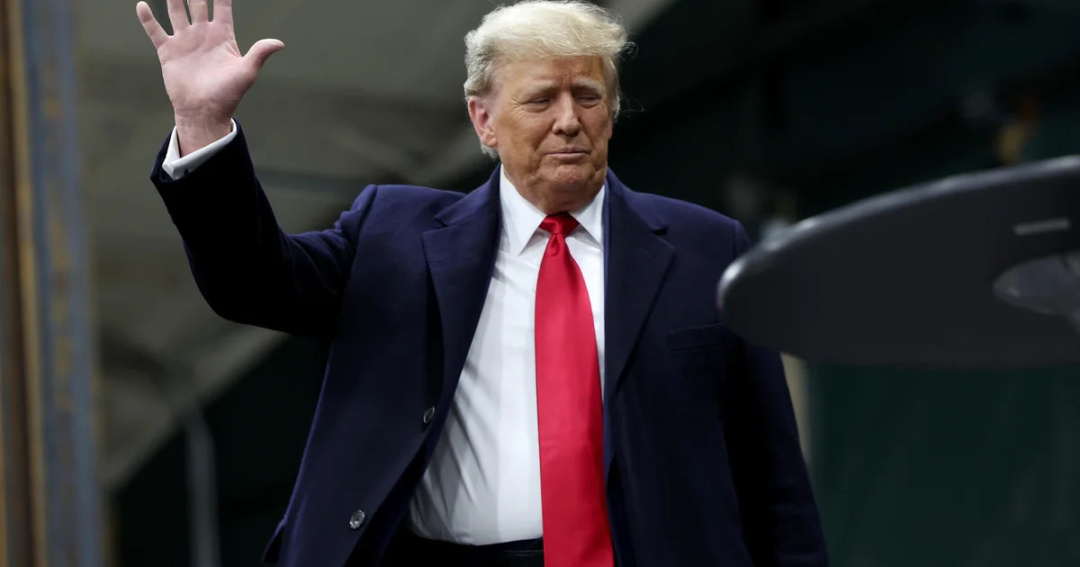
In a dramatic legal turn, an Iowa judge has dismissed President Trump's lawsuit against The Des Moines Register and its former pollster, J. Ann Selzer, asserting that the president's claims of misrepresentation surrounding 2024 polling coverage are baseless. The lawsuit was filed in December 2024, alleging that the newspaper's poll was fraudulent and intended to hinder Trump's re-election efforts by misleading voters about the state of the race.
Iowa District Judge Scott J. Beattie called the case extraordinary, emphasizing that allowing it to proceed could chill public discourse and discourage reputable reporting. He pointed out that along with being a conspiracy theory, Trump's allegations were an affront to the essential ideals of free speech protections, which safeguard political discourse.
Still Beats Watergate:
Sponsor success. Continue reading:
This ruling was made shortly after arguments were heard regarding Trump's ban on several media outlets from White House premises, including CNN and Politico, which he labeled as purveyors of 'fake news.' Trump's ongoing battles with the media have raised significant questions about the boundaries of free speech, particularly relating to how press coverage can influence public opinion and political outcomes.
The lawsuit’s dismissal reinforces the notion that public polls and their coverage are part of the constitutionally protected realm of political speech, not merely commercial products, as indicated by Judge Beattie. Even if one were to accept Trump's claims that the poll was intentionally misleading, the judge concluded that the legal standards for fraud or consumer deception were not met.
"Polling is a social science, not clairvoyance," Selzer remarked after the ruling, highlighting the inherent unpredictability of election outcomes and the responsibilities of pollsters to report accurately without fear of retribution. This case not only serves to protect journalistic integrity but also stakes a claim for the First Amendment rights of media outlets against perceived political overreach.
As Trump continues to challenge media narratives that he believes are unfavorable, the implications of this lawsuit are far-reaching, particularly in how they shape public trust in polling and media analysis during an election cycle. With other lawsuits against various media entities still unfolding, the landscape of political communication remains fraught with tension as the 2024 presidential race heats up.
Implications for Political Discourse
The broader implications of this ruling extend beyond the immediate legal victory for The Des Moines Register and Selzer. It serves as a crucial reminder of the role that accurate polling plays in democratic processes and the need to protect journalistic practices from intimidation. As media organizations continue to navigate the challenges posed by aggressive political figures, the judiciary's stance affirms the necessity of a free press in fostering healthy political discourse.
As the legal skirmishes continue, observers will be keenly watching the ramifications for Trump's political strategies and media engagement, particularly as free expression battles against his narrative of bias and victimhood in the press. This ongoing saga not only highlights the tension between political power and press freedoms but also the vital need for robust protections of journalistic integrity in the face of adversity.
Your Takeaway
For those invested in the dynamics of the political landscape, the dismissal of Trump's lawsuit underscores the importance of maintaining freedom of expression in journalism. As voters prepare for the upcoming elections, the relevance of truthful and unbiased polling becomes ever more critical in shaping informed decisions. The court's ruling serves as a bulwark against attempts to undermine the press, reinforcing the foundational principles of democracy, where informed debate is essential for the electorate's health.
This case not only champions press freedom but also signals to political figures that accountability exists, even in the face of claims that may be perceived as partisan or protective of their image.