Trump TV: A Presidential Move Echoing Authoritarian Tactics
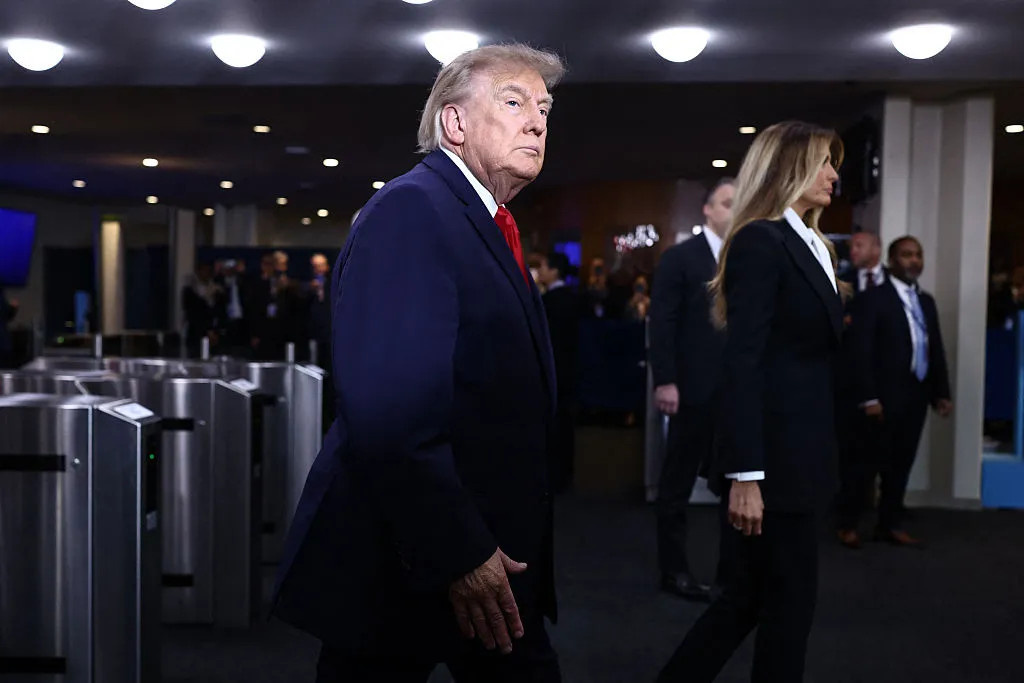
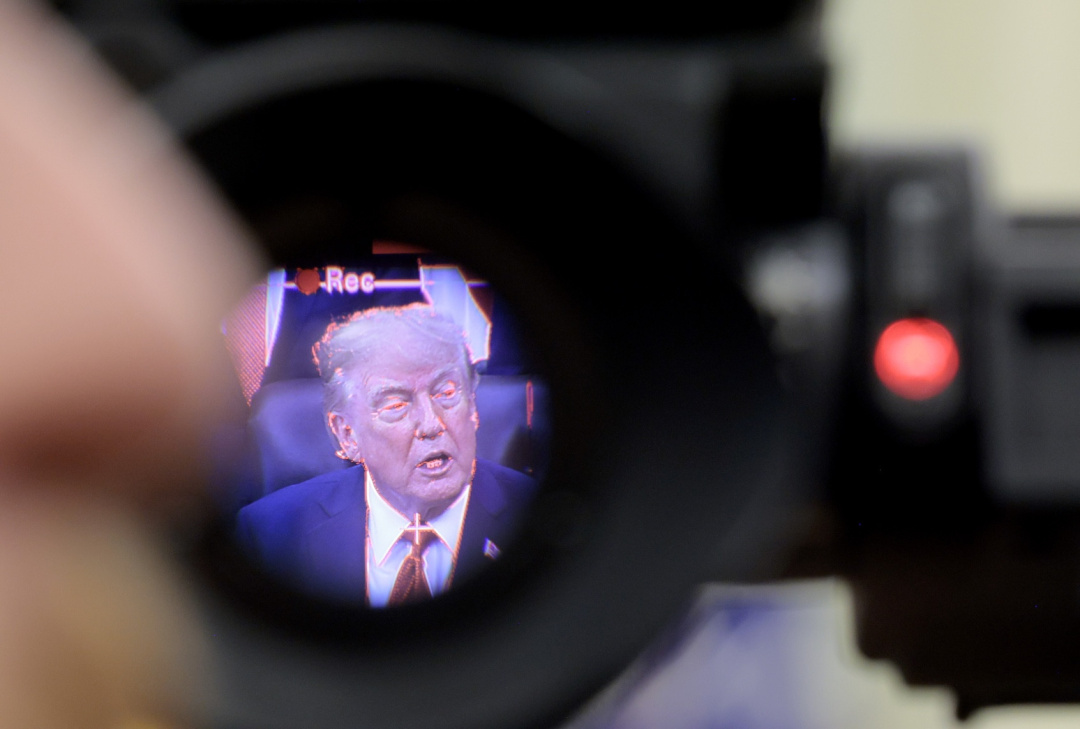
In a move that feels more like an episode of a dystopian television series than a chapter in American political history, the White House has unveiled a new 24/7 streaming service dubbed Trump TV. This initiative comes on the heels of President Donald Trump’s bold, yet constitutionally dubious, decision to ban several news outlets—including CNN, MS Now, and Politico—from covering his administration. Critics have been quick to label this maneuver as a blatant attempt to control the narrative, with some likening it to tactics employed by authoritarian regimes.
The launch of Trump TV is particularly striking given that it coincides with Trump’s ongoing feud with the mainstream media. After the President's ban, major networks such as ABC, CBS, Fox News, and NBC responded by suspending pool coverage of his events in solidarity with the excluded outlets. The resulting media silence during events like the ribbon-cutting ceremony for his much-maligned helipad left many viewers with the unsettling image of the President shouting into a void, a digital vacuum that Trump TV attempts to fill.
Still Beats Watergate:
Sponsor success. Continue reading:
Trump TV, which went live at 7 PM ET with a rerun of Trump’s July 3rd speech at Mount Rushmore, promises to deliver “the Administration’s greatest hits, unfiltered.” Kaelan Dorr, a deputy assistant to the President overseeing the digital strategy, excitedly touted the service, declaring it would showcase the administration’s “record-breaking accomplishments on behalf of all Americans.” However, social media users have not held back, dubbing the service as little more than state-run television, with California Governor Gavin Newsom stressing that this is a desperate attempt to silence independent journalism.
Critics argue that this strategy signals deeper authoritarian tendencies, especially as Trump appears to model his approach after world leaders such as Vladimir Putin and Kim Jong Un. The specter of state-controlled media raises urgent questions regarding the health of democracy and the role of a free press in the United States. The lawsuit filed against the Trump administration by the banned outlets adds another layer of tension to this unfolding drama, with many legal experts believing they have a strong case.
Direct Access to Presidential Messaging
By launching Trump TV, the President is essentially attempting to establish a direct channel to the public, bypassing traditional media filters. This initiative comes at a time when many Americans are questioning the integrity of information they receive from various sources. In an era marked by rampant misinformation, the creation of a platform dedicated solely to promoting the president’s narrative raises concerns about objectivity and transparency in government communication.
Affecting you
As Trump continues to face mounting criticism for his handling of both domestic and international issues, the desire for a controlled portrayal of his presidency becomes painfully obvious. The implications of such control over information dissemination could have dire effects on public discourse and accountability.
As the legal battles unfold and public scrutiny intensifies, one thing is clear: the future of press freedom in America hangs in a precarious balance, with Trump TV serving as a potent symbol of a burgeoning media landscape fraught with challenges to traditional journalistic integrity.