Trump’s Media Ban Takes Center Stage at the U.N.
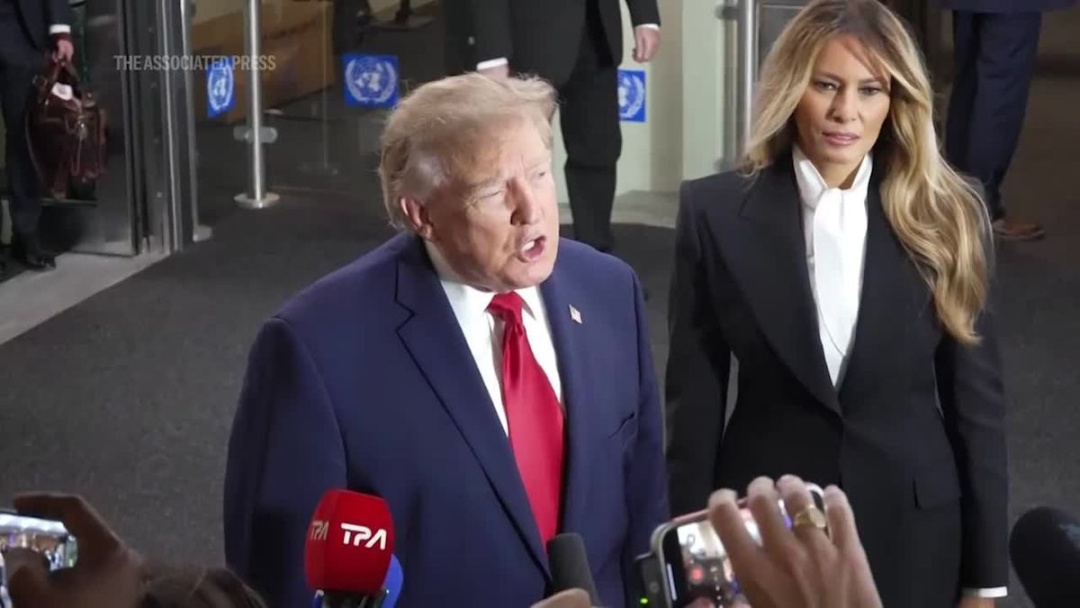
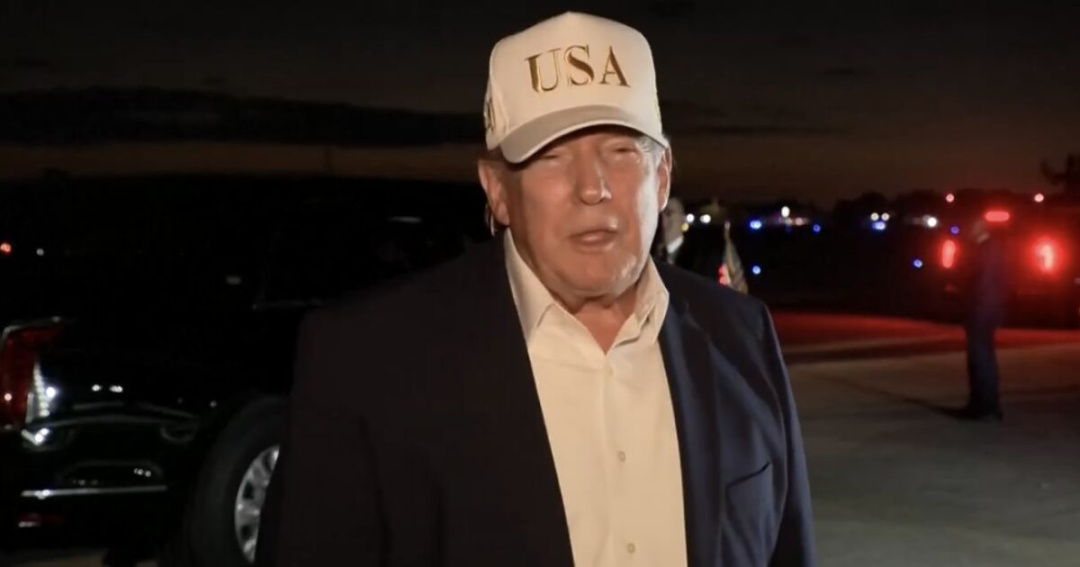
President Trump’s arrival at the United Nations marked a new chapter in his ongoing battle with the media, exemplified by his confrontational remarks directed at CNN's Kaitlan Collins. "You should not be here," he declared, suggesting that the network was unwelcome despite its established credentials to cover the event. This incident unfolds amidst a broader context where the Trump administration recently barred CNN from White House grounds, raising eyebrows and concerns about press access.
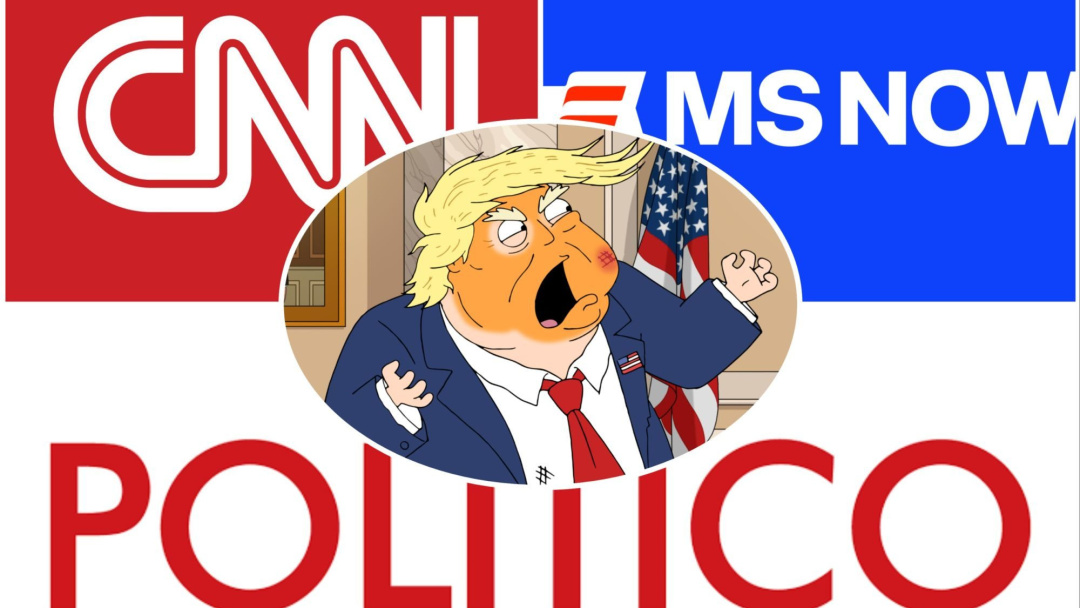
The backdrop to this confrontation is a joint lawsuit filed by CNN, MS NOW, and Politico challenging the legality of the media ban. The outlets argue that the ban is unconstitutional, claiming it was enacted selectively due to their critical coverage of the president. In a response to the lawsuit, the administration asserted that access to the White House is a privilege, not a right, thereby framing the issue as one of executive discretion rather than First Amendment rights.
Still Beats Watergate:
Sponsor success. Continue reading:
The legal drama took center stage on a day filled with high-stakes diplomacy. Critics of the ban have pointed to the dangers of restricting media access, suggesting that such moves undermine the fundamental principles of a free press. As Trump reiterated his stance that negative coverage poses a danger to the nation, the conflict between his administration and the media became even more pronounced.
Despite the ban, Collins and other journalists have shown resilience, affirming their commitment to covering the president despite the contentious atmosphere. Collins remarked on air that CNN never claimed they would stop covering Trump. For many in the media, this moment signals a critical point in the ongoing struggle for press freedom, as the implications of Trump’s actions resonate beyond the immediate confrontation.
In a rare show of solidarity, other news outlets opted not to publish photographs of presidential events following the ban, highlighting a collective resistance to the administration's attempts to marginalize certain media organizations. The Associated Press, along with major players like The Washington Post and The New York Times, chose to stand with their counterparts, emphasizing the importance of journalistic integrity.
As the legal proceedings unfold, the potential ramifications of Trump's media restrictions could echo throughout his administration and beyond. Legal experts suggest that the outcome of the lawsuit could redefine the boundaries of press access to the White House, a legacy that may linger long after the current administration.
Assessing the Implications of Executive Power
Trump’s media war is not merely a personal vendetta but also a reflection of a broader narrative concerning the relationship between the executive branch and the Fourth Estate. Observers have noted that the president’s disdain for negative coverage may ultimately backfire, as a lack of access could diminish his visibility and, by extension, his influence. Scholars of media and politics warn that continuous attacks on press freedoms and the labeling of unfavorable news as "fake" could have long-lasting effects on public trust.
As the U.N. visit concluded, the world's eyes remained on Trump, but the question of how his administration will navigate this ongoing legal and media landscape looms large. The intersection of politics and journalism continues to evolve, with the potential for significant implications for both the press and the presidency.
Your takeaway
In an era where media access is increasingly contentious, the unfolding events surrounding Trump's media ban highlight the delicate balance between executive power and press freedom. The outcome of the ongoing lawsuit may set a precedent that shapes the future of media relations with the White House, reminding us all of the crucial role journalism plays in a democratic society. Trump's turbulent relationship with the press underscores the importance of vigilance in safeguarding the freedoms that underpin the fabric of American democracy.