Joy Behar Claims U.S. Will Elect Anyone But a Woman President
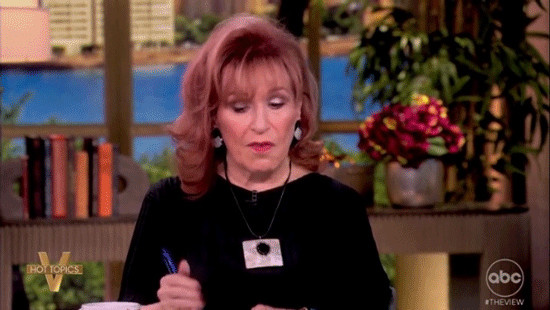
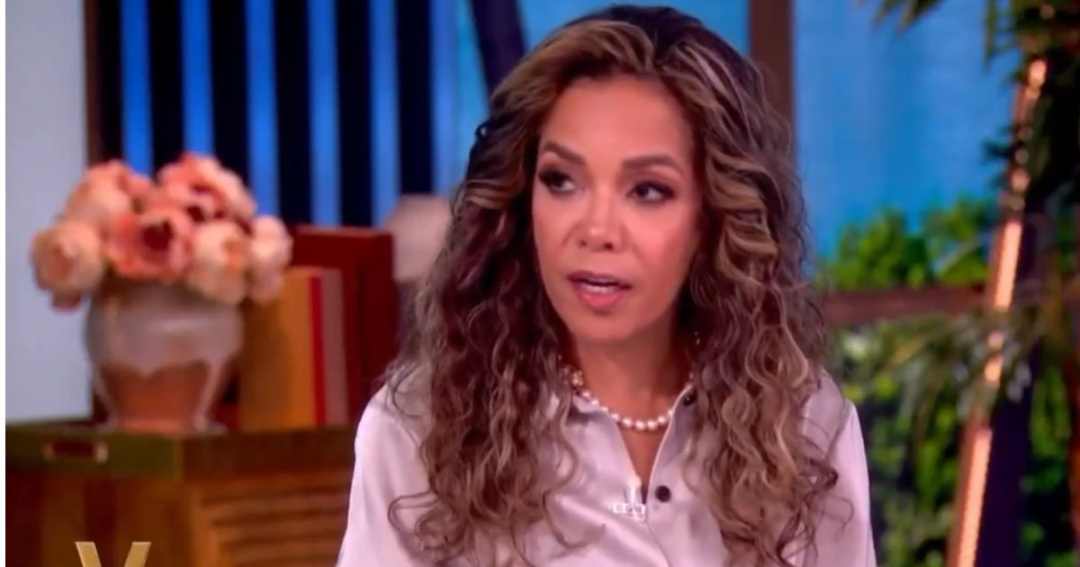
On a recent episode of 'The View,' co-host Joy Behar doubled down on her controversial assertion that the United States is unlikely to elect a woman as president, stating, "I think this country will vote for an obese, Jewish, Black, homosexual before a woman." This provocative claim came during a discussion about potential candidates for the 2028 election, where identity politics took center stage. Behar's comments sparked a mix of agreement and dissent among her fellow co-hosts, revealing deep divides over gender and electability.
Star Jones, a guest host, echoed Behar's sentiment, referencing the previous candidacy of Hillary Clinton, stating, "We just had one of the most beautiful, brilliant women run for president. And you see what we got." The implications of Behar’s claim are significant, as they touch on the broader issues of how gender identity influences voter behavior in America. While many observers argue that the electorate is evolving, Behar suggests that traditional biases remain deeply entrenched.
Still Beats Watergate:
Sponsor success. Continue reading:
Sara Haines, another co-host, pushed back against Behar's position, insisting that identity alone is insufficient for success in politics. Her comments highlight a crucial point: the intersection of personal identity and broader political appeal is complex and cannot be boiled down to simplistic narratives. Alyssa Farah Griffin, representing the Republican perspective on the show, went further, positing that the next twenty years could indeed see a woman in the Oval Office.
This debate is not just a matter of personal opinion but a reflection of the ongoing cultural shifts within American politics. Patrice Onwuka, Vice President for Economic Policy at the Independent Women's Center for Economic Opportunity, criticized Behar's viewpoint. She called it a misrepresentation of the reality surrounding female candidacies, arguing that successful political campaigns hinge more on policies than on identity markers.
Amidst the back-and-forth, the discussion also touched on Kamala Harris, who, as Behar pointed out, has not secured electoral victory in her bids for the presidency. Behar’s skepticism about women’s electability raises important questions about the future of female candidates in a male-dominated political landscape. While pessimism prevails among some, others remain hopeful, pointing to the increasing visibility and support for women in politics.
Are Voter Biases Shifting?
As the dialogue unfolds, it is essential to consider the attitudes of younger voters who may prioritize different qualities in candidates. Alexandria Ocasio-Cortez recently indicated her interest in a presidential run, suggesting that identity and experience could play pivotal roles in shaping modern electoral outcomes. The complexities of gender and race in politics are not just a matter of statistics; they involve lived experiences and perceptions that can vary widely across demographics.
For Behar and her co-hosts, the conversation on 'The View' serves as a microcosm of a larger societal debate about gender, power, and representation. Parsing through the layers of identity politics will be crucial as we move towards future elections. The question remains: will the American electorate be ready to embrace a female president, or are we still decades away from this milestone?
Your takeaway
Behar’s comments, alongside the responses from her co-hosts, underscore a pivotal discourse in American society regarding electability and identity politics. While perspectives differ, the path toward a truly representative leadership remains fraught with challenges. The future of female representation in politics may hinge on how these discussions evolve in public consciousness and influence voter behavior in upcoming elections.