Trump Threatens to Annihilate Iran If Nuclear Activity Resumes
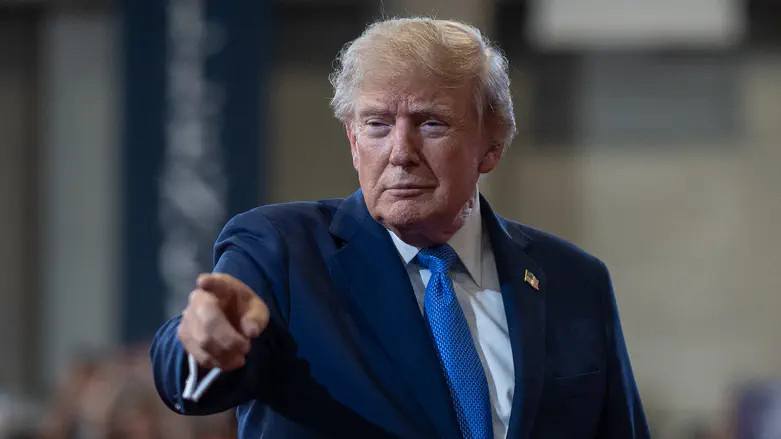
President Trump has once again entered the geopolitical arena with his usual flair, warning Iran that the clock is ticking on its nuclear ambitions. During a meeting with Gulf Arab leaders on the sidelines of the United Nations General Assembly, he stressed the urgency of the situation, saying Iran must act "fast" or risk losing its national survival. In true Trump fashion, he emphasized that the U.S. is ramping up financial pressure on the Islamic Republic, hoping to force a change in their course of action.
Trump's comments come in the wake of increased scrutiny on Pickaxe Mountain, a heavily fortified facility near Iran's Natanz nuclear site. According to the International Atomic Energy Agency (IAEA), recent construction activity at this site has raised alarms. In a particularly dramatic statement, Trump threatened, "We may have to blow up another one. Pickaxe Mountain... if we do [see activity], we’ll blow it up immediately." This warning surely sets a high-stakes tone in the already fraught relationship between the U.S. and Iran.
Still Beats Watergate:
Sponsor success. Continue reading:
As if channeling a scriptwriter from a high-octane action movie, Trump elaborated on the significant threat he believes Iran poses, calling it the "number one sponsor of terror." He reiterated his unwavering stance against allowing Tehran to develop nuclear weapons, a position he claims to have held since entering politics. In an unexpected twist, he claimed to have offered Iran full economic cooperation in exchange for abandoning its nuclear program but was met with rejection. This narrative paints a picture of a leader trying to negotiate but forced into a corner by an obstinate adversary.
In the same breath, he warned that Iran has developed a missile capable of reaching Europe, adding another layer of tension to the already intricate geopolitical landscape. It appears that while Trump is cultivating a tough image on the world stage, he also anticipates a more collaborative approach after the upcoming midterm elections. He mused, "I have a big decision to make. Will a deal be made with Iran that lets them rebuild and create a far greater country than it ever was before? Or do I annihilate the Islamic Republic and do it quickly?"
This kind of rhetoric is not new for Trump, who has a history of making bold statements and creating scenarios that resonate with his base. It reflects a broader strategy of using dramatic imagery to underscore his administration's tough stance on foreign policy issues. While some may see this as mere bluster, the possibility of military action—however remote—reminds us of the precarious nature of international relations.
The Political Landscape Ahead
As the midterm elections loom, Trump's comments seem to serve a dual purpose: rallying his supporters at home while simultaneously sending a message to Tehran. He believes that Iran is waiting to see how he fares in the elections before deciding their next steps. "What they don’t realize is that I’m not running. I did that already and won in a landslide," he declared, suggesting that any deal might hinge on his perceived strength.
The implications of his statements extend beyond just threats; they encapsulate the ongoing narrative of U.S.-Iran relations, a saga filled with rivalries, animosities, and a quest for power. For now, the world watches as the Trump administration balances its aggressive posturing with the potential for negotiation. Will Iran heed the warning or dismiss it as more of the same? Only time will tell, but one thing is clear: the stakes are high, and the outcome could reshape the political landscape of the Middle East for years to come.
Your takeaway
In an era where political rhetoric can escalate tensions in an instant, Trump's latest threats serve as a stark reminder of the U.S.'s position in global affairs. His comments not only reflect his administration's strategy but also the complex dynamics at play with a nation that has long been viewed as a nemesis. As we navigate through this charged atmosphere, the challenge remains: can diplomatic solutions arise from the ashes of threats and ultimatums? For the citizens of Iran and the U.S., the future holds uncertain possibilities.