Takaichi and Trump: A Comedy of Security Preferences
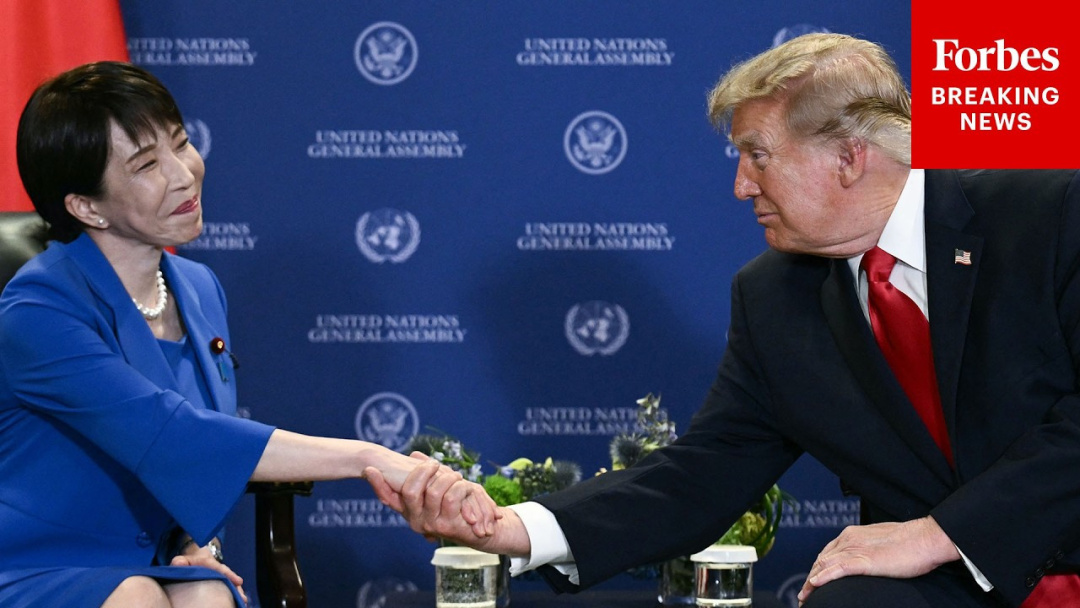
In a performance worthy of the finest political theater, Japanese Prime Minister Sanae Takaichi and U.S. President Donald Trump met in New York while the world tuned into the United Nations General Assembly. Their meeting, which took place on September 22, was less about the substance of their discussions and more about the optics as they sought to convey a united front against an ever-looming China. I mean, who wouldn’t want to be part of a diplomatic rom-com that features high-stakes geopolitical maneuvering interspersed with moments of awkward praise?
Trump, ever the showman, kicked off the meeting by lauding Takaichi as a "strong leader"—because nothing says strength like having to constantly reassure your allies you're on top of things, especially when your main competitor is a giant country with an appetite for domination. He also made a casual mention of her approval ratings, which seems to be the political equivalent of asking how the weather is—an oddly intimate detail for a world leader to share.
Still Beats Watergate:
Sponsor success. Continue reading:
Meanwhile, Takaichi was quick to remind everyone, especially the folks back in Japan, that their meeting sent a message during these tumultuous times. With threats brewing across the Pacific, she emphasized the importance of their alliance, stating that her presence next to Trump was indicative of serious commitment. Ah yes, nothing says commitment like a pre-summit handshake.
As both leaders exchanged pleasantries, they dove into heavier topics like security and economic cooperation, casually tossing around buzzwords such as "deterrence," "AI," and "critical minerals"—words that sound impressive enough to distract from the fact that no one is really sure how to address these complex issues. But they agreed to keep the conversation on track, as all good bureaucrats do, by planning to tackle the future of semiconductors and trade in rare earth materials—especially relevant as China continues to flex its muscles in the region.
Japan's Bold Stance on China
The background tension with China loomed large over the meeting. Japan's unease about Chinese military maneuvers has grown, and Takaichi’s resolve to take a firmer stance represents a refreshing yet perplexing twist in Japan’s typically cautious diplomatic approach. She seems willing to risk Beijing's ire to reinforce Japan’s position, which Trump eagerly endorsed—probably hoping to solidify his own reputation as a global peacekeeper or, at the very least, a dealmaker.
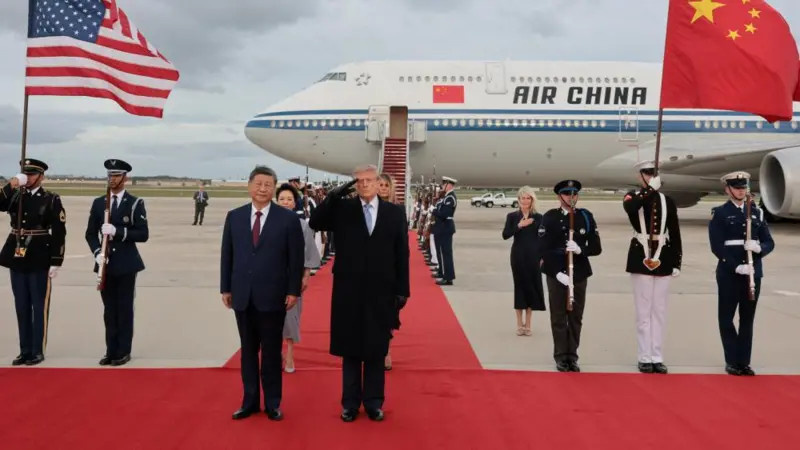
Yet, amid all the theatrics, no major agreements were announced. Instead, both leaders used the backdrop of the U.N. to send messages that they are aligned—perhaps in a way that only political allies can understand, with cryptic nods and veiled references to their shared concerns about the actions of a certain large nation off the coast of Asia. As they look forward to Trump’s impending meeting with Xi, Takaichi’s cabinet reshuffle looms over their diplomatic camaraderie, as she juggles domestic complaints about rising food prices and economic policies while trying to ensure her international relations don’t come crashing down.
Your takeaway
With all eyes on the U.S.-China summit, Japan’s own interests could very well rise or fall based on the outcomes of that meeting. Should the U.S. take a firm stance, Takaichi will have her moment in the sun as a diplomatic success; however, a soft approach from Trump might leave her scrambling to justify her alliance with the U.S. in the eyes of her electorate. Such is the life of a prime minister trying to navigate the ever-complex waters of international relations while juggling domestic pressures.
In conclusion, this meeting, while devoid of any groundbreaking agreements, served a critical purpose in broadcasting the Japan-U.S. alliance's solidarity—at least until the next round of diplomatic drama unfolds. Because if there’s one thing we can count on in global politics, it’s that the drama never truly ends.