Trump's Sanctions Bill: Tariffs on Russian Energy Buyers and Bipartisan Hurdles

In a dramatic display of political maneuvering, President Trump has enacted the Lindsey O. Graham Sanctioning Russia and Iran Act of 2026, bringing forth a wave of sanctions that aim to tighten the economic screws on Russia amid its ongoing conflict in Ukraine. The act, which passed both chambers of Congress with notable bipartisan support, empowers the President to impose tariffs of up to 100% on the top five purchasers of Russian energy, a move that aligns with the late Senator Lindsey Graham’s hawkish foreign policy approach.
The legislation, which was signed into law, allows Trump to slap hefty tariffs on any country aiding Russia in bypassing existing sanctions. This encompasses nations that may have been previously considered allies or neutral players in the geopolitical landscape. The bill's signing is not merely a formality; it carries significant implications for U.S.-Russia relations and energy markets worldwide.
Still Beats Watergate:
Sponsor success. Continue reading:
The Senate passed the bill with an overwhelming 86-11 vote following the House’s approval by 262-159. Both votes underscored a rare moment of unity in a deeply polarized political environment, albeit with some reluctance from Democrats who voiced concerns over the extensive powers granted to the executive branch. House Minority Leader Hakeem Jeffries notably criticized the decision, questioning the wisdom of handing the President such latitude at a time when economic pressures are already mounting for American families.
As Trump prepares to wield newfound authority, the act also extends existing sanctions on Iran, which are intended to ramp up pressure on Tehran regarding its nuclear ambitions. However, critics argue that the tangible impact of these sanctions remains to be seen, especially considering the complexities involved in international trade and energy dependencies.
Diplomatic Efforts Amid Rising Tensions
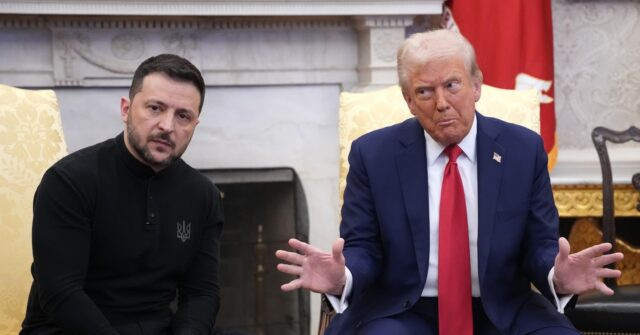
The bill’s signing comes on the heels of a significant diplomatic push that saw Trump’s special envoys visiting both Moscow and Kyiv earlier this month. While the administration hopes these measures will strengthen U.S. standing in negotiations, the Kremlin has warned that further sanctions might hinder any chance of a peaceful resolution to the ongoing conflict, raising the stakes for all involved.
Domestic and International Reactions
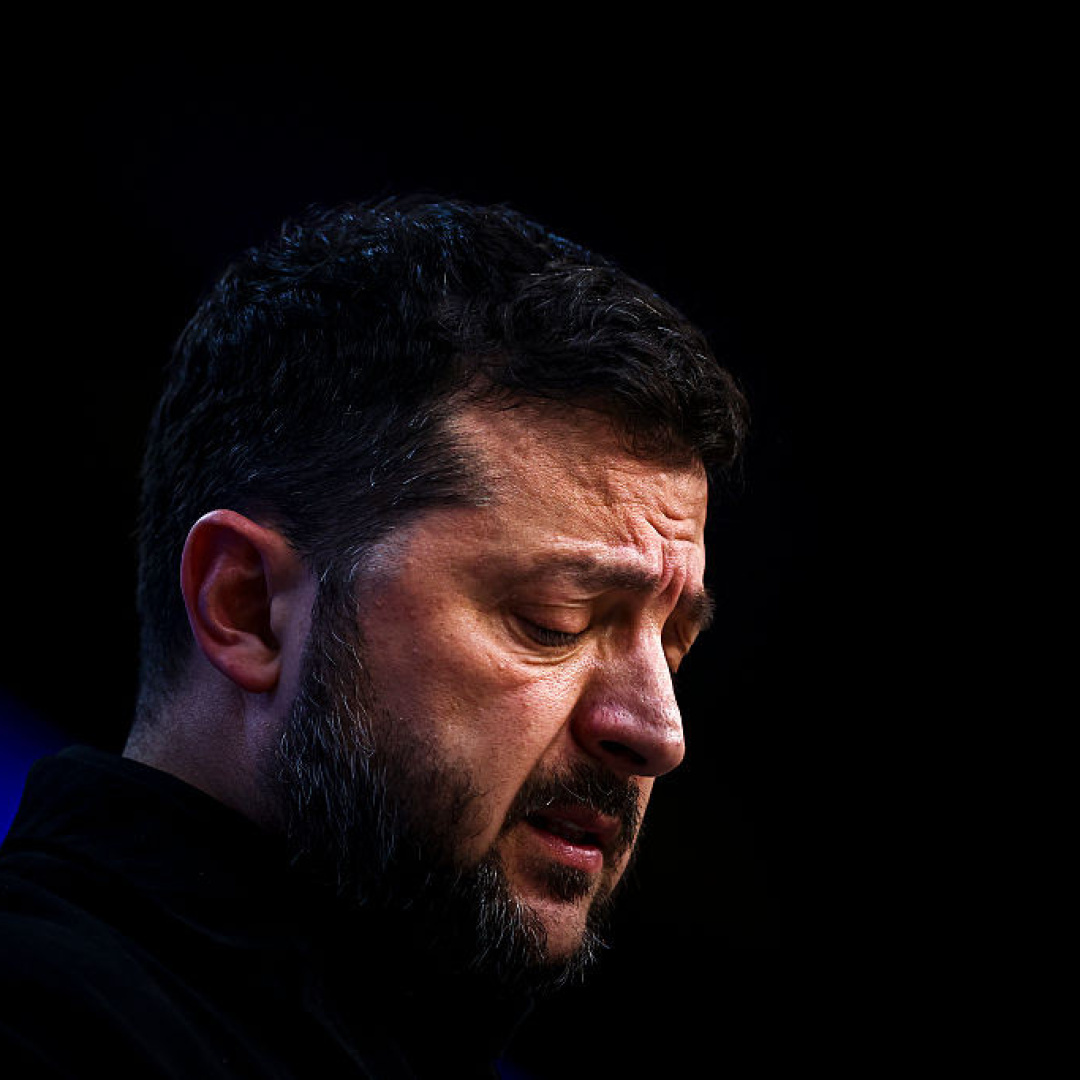
The passage of this sanctions bill has elicited diverse reactions. Ukrainian President Volodymyr Zelensky expressed gratitude towards the U.S., acknowledging that honoring Graham’s legacy would necessitate the quick and full implementation of these new sanctions. Meanwhile, nations like India are already preparing for the economic ramifications, asserting that they will take necessary measures to safeguard their economic interests amid the looming threat of tariffs.
With the House currently in recess until after the midterms, oversight of how these tariffs will be implemented will be put on hold. Lawmakers are expected to return with scrutiny over how the administration utilizes the extensive powers bestowed by this legislation. As developments unfold, the repercussions of this sanctions act will undoubtedly shape the dialogue not only in Washington but across global markets as well.